Plants

Plants

app

4+, 2014, Education, Travel

WISE
94%

WISE Score

4.3

App Store

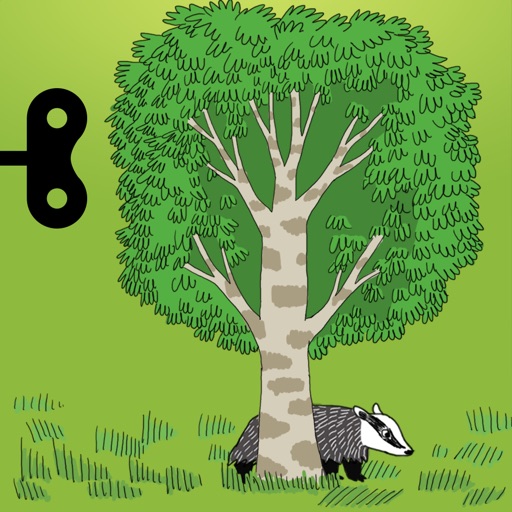
An open-ended digital sandbox where kids simulate weather, trigger forest fires, and inspect plant roots across forest, desert, and grassland biomes.

Screenwise Verdict

Tinybop's Plants is what digital learning apps should look like: gorgeous, unhurried, and completely devoid of point systems, timer stress, or ad banners. Kids can toggle biomes, alter weather patterns, watch root systems absorb water, and speed up time to observe plant lifecycles across years.

Because there are no text instructions or structured levels, younger kids might miss some of the deeper interactive mechanics unless an adult sits with them for five minutes first. It functions like an interactive picture book that rewards active curiosity rather than mindless tapping.

Age Fit

Ideal for kids ages 4 to 8. Four- and five-year-olds love tapping to trigger weather and critters, while 6- to 8-year-olds can grasp the seasonal lifecycles and biome differences.

WISE Breakdown
Wholesome
95

Calm, beautiful, and grounded in natural science without frantic animations or artificial gamification.

Imaginative
92

Functions as a dynamic sandbox where kids experiment with weather, seasons, biomes, and ecological life cycles.

Safe
98

Completely free of third-party ads, in-app purchases, chat features, or data tracking.

Enriching
92

Delivers rich STEM learning about botany and biomes, featuring cross-section views and 50+ language options.

Parent Info
✓

Why It Might Be Great

  • Zero gamification mechanics give kids room to explore without timers, points, or pushy pop-ups.
  • Interactive cross-sections reveal subterranean root systems, underground animals, and water tables.
  • Weather and climate tools let kids trigger rainstorms, cycle through seasons, or start controlled forest fires to see ecosystem recovery.
  • Multilingual vocabulary labels support over 50 languages, including scientific nomenclature.
⚠

What to Watch For

  • No step-by-step tutorial means younger kids might miss buried interactive mechanics unless an adult co-explores with them.
  • Wildfire feature burns vegetation to demonstrate seed germination, which might startle especially sensitive preschoolers.

Conversation Starters

  • "What happens to the roots underground when we make it rain on top?"
  • "Why do desert plants look so different from trees in the forest?"
  • "How did the forest come back to life after the fire went out?"

Deep Dive

A digital sandbox done right

Most educational apps for young kids rely on points, flashcards, and artificial reward loops. Plants takes the opposite path. Developed by Brooklyn studio Tinybop, it presents biomes—forest, desert, and grasslands—as living cross-sections that react directly to a child's choices.

There are no high scores or guiding mascots. A child can drag the sun to shift day into night, trigger a thunderstorm to saturate soil, or ignite a forest fire to watch pine cones release seeds in response to heat. The underground view—showing subterranean burrows, soil layers, and deep taproots—is especially well-executed for kids curious about how things work behind the scenes.

Getting the most out of it

Because the app intentionally omits written tutorials, it can feel mysterious at first. A four-year-old will enjoy making rain and poking prairie dogs, but they might miss features like language toggle buttons or climate controls.

Spending ten minutes exploring alongside your child turns the app into a genuine scientific tool. Tinybop offers a free downloadable parent handbook on their website with background facts and discussion prompts, making it easy to connect on-screen observations to real plants in your park or garden.

What Parents Ask

Ask Anything

Get a personalized guide on any topic