The "One More Mutation" Trap
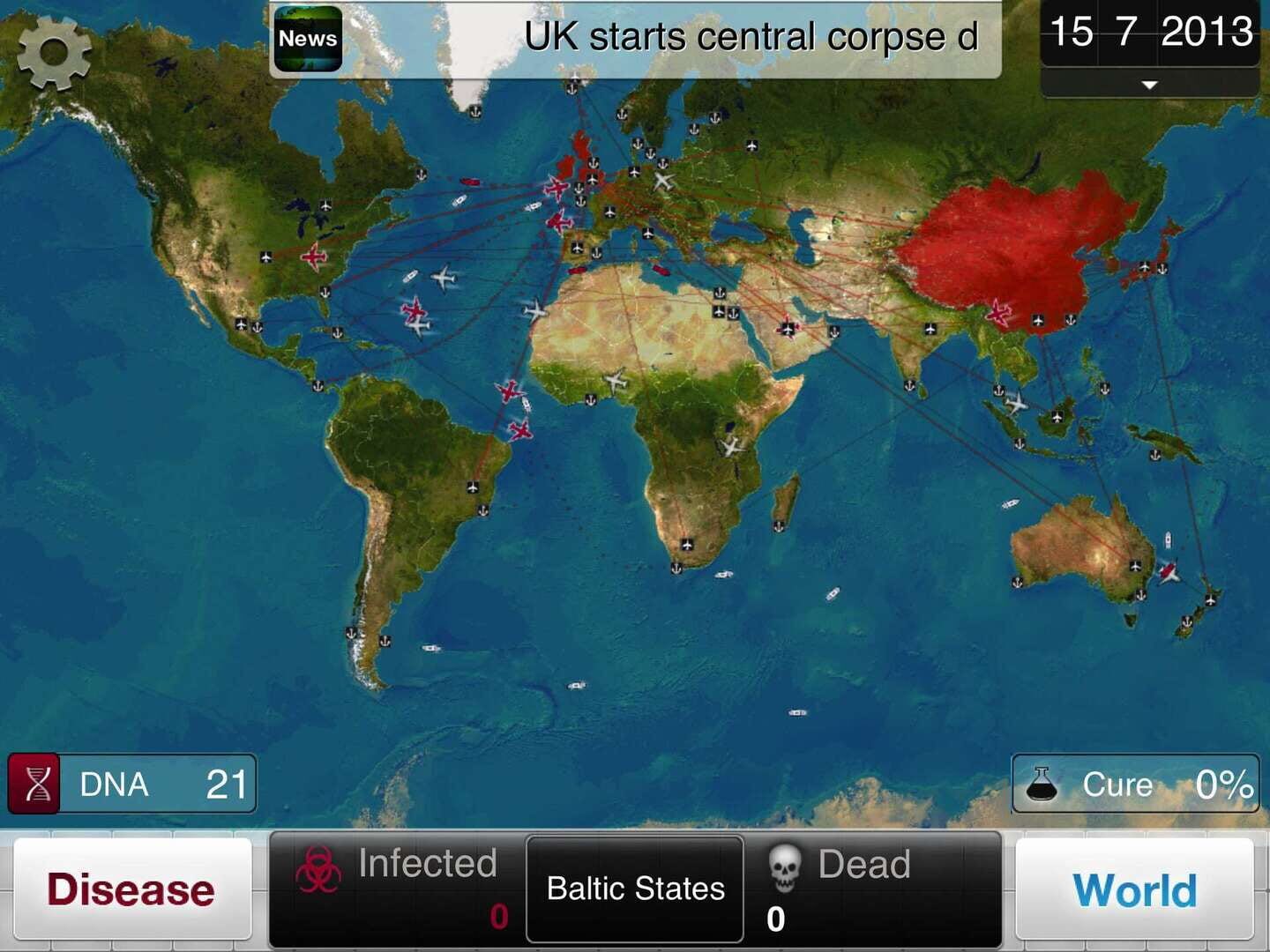
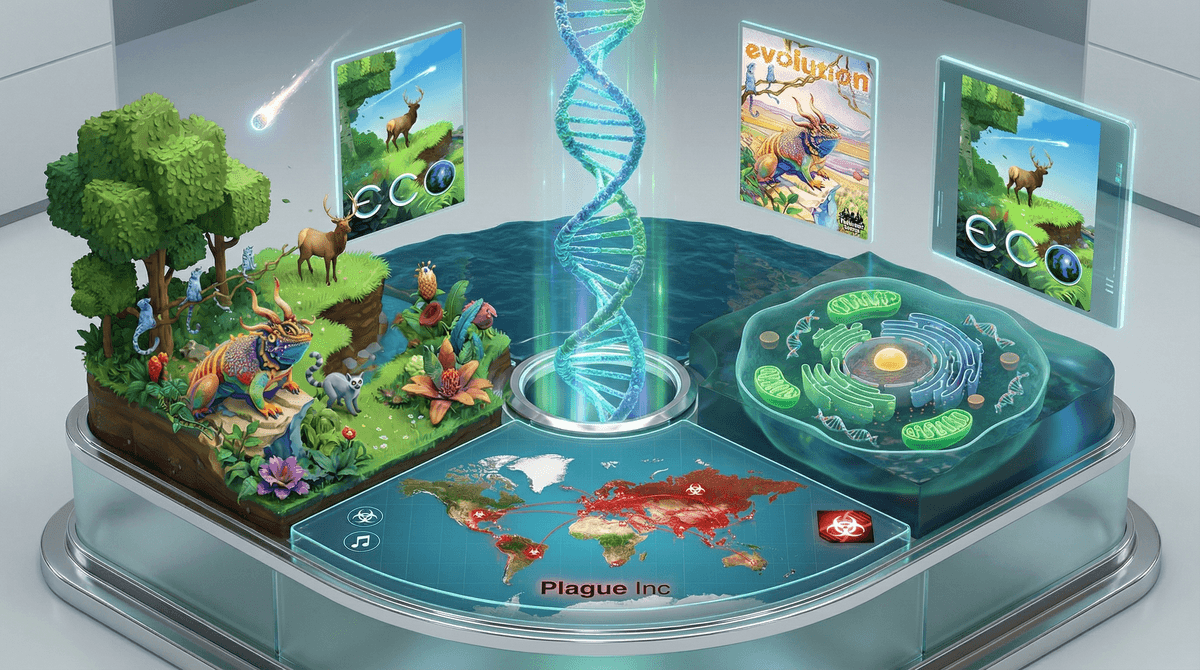
Plague Inc. is basically a spreadsheet with a high-stakes skin, and I mean that as a compliment. It’s a masterclass in systems thinking. You aren't "playing" a disease in the way you play a character in an action game; you are managing a budget. That budget is DNA points. You spend them on transmission (birds, rats, blood), symptoms (coughs, cysts, total organ failure), and abilities (cold resistance, drug resistance).
The specific friction that makes this game great—and occasionally infuriating—is the balance between visibility and lethality. If you make your plague too deadly too fast, you kill your hosts before they can hop on a plane to London. You lose. If you’re too subtle, the world’s scientists finish a cure before you’ve infected a single person in Madagascar. It’s a tense, quiet game of optimization that rewards players who can think three steps ahead of a global healthcare system.
Not Your Average Science Class
While it’s often categorized alongside science games for kids, this isn't a "fun-size" version of biology. It’s cold and clinical. It teaches the geography of poverty and infrastructure—how a disease rips through a crowded, hot region differently than a wealthy, cold one.
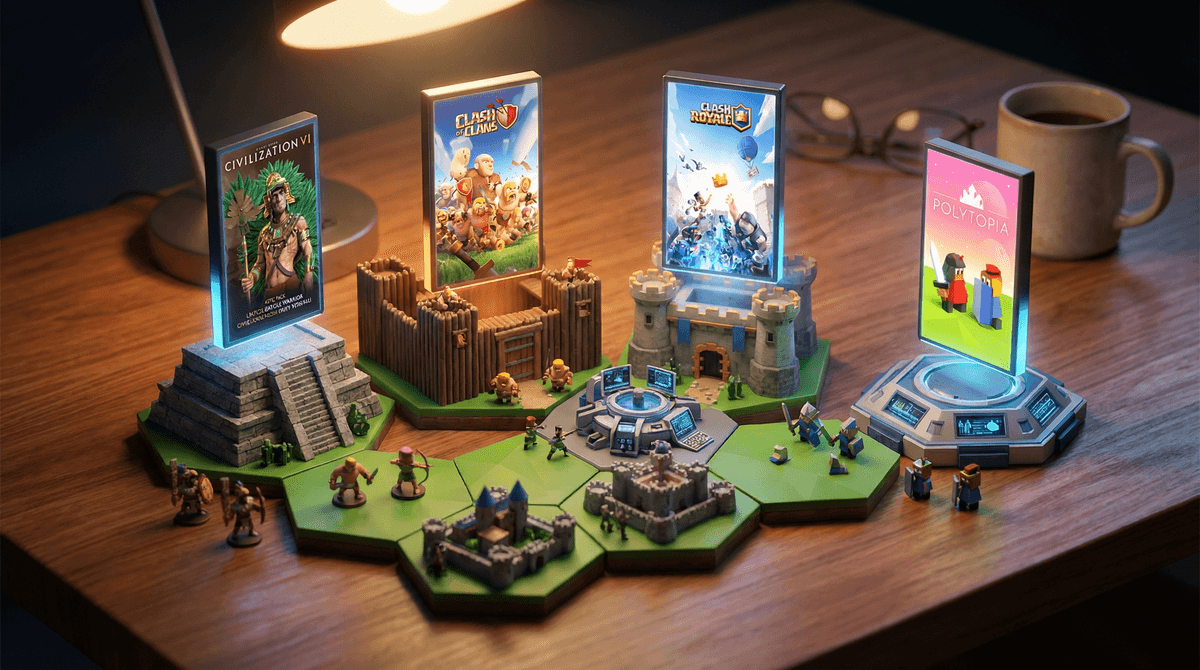
If your kid is already into strategy game apps like Civilization or Polytopia, they will recognize the rhythm here. It’s about resource management. The "science" is just the flavor text, but it’s so well-integrated that they’ll end up accidentally learning why mutations happen and how vaccines are distributed. It’s one of the best biology learning games for kids because it doesn't feel like it's trying to teach anything; it just wants you to solve the puzzle of how to bypass a closed border.
The Greenland Problem
Every player eventually hits the same wall: Greenland. In the world of Plague Inc., Greenland is the final boss. It has one port, no airports, and a freezing climate. If they close that port before you land a single infected sailor, you can’t win.
This is where the game’s "personality" comes out. You’ll see your kid staring at a screen, whispering, "Just stay open for one more week," as they try to sneak a cough into Nuuk. It’s a weirdly personal brand of frustration. If your kid struggles with games that feel "unfair" or have sudden "game over" states due to one small oversight, this might lead to some iPad-tossing. But for the kid who loves to restart, tweak their build, and try again with a slightly different genetic code, it’s addictive.
Should You Lean In?
If your kid is obsessed with "what if" scenarios—the kind who watches disaster movies or reads those "how things work" books—this is their sweet spot. It’s a safe place to explore a scary concept by putting them in the driver’s seat.
The best way to engage with it isn't to worry about the "killing" part, but to ask about the logistics. Ask why their bacteria failed in Canada, or why they chose to evolve "Airborne" transmission instead of "Livestock." It turns a potentially macabre hobby into a conversation about global interconnectedness and why the real world is actually much harder to "break" than the game suggests.