Slapstick as a primary mechanic
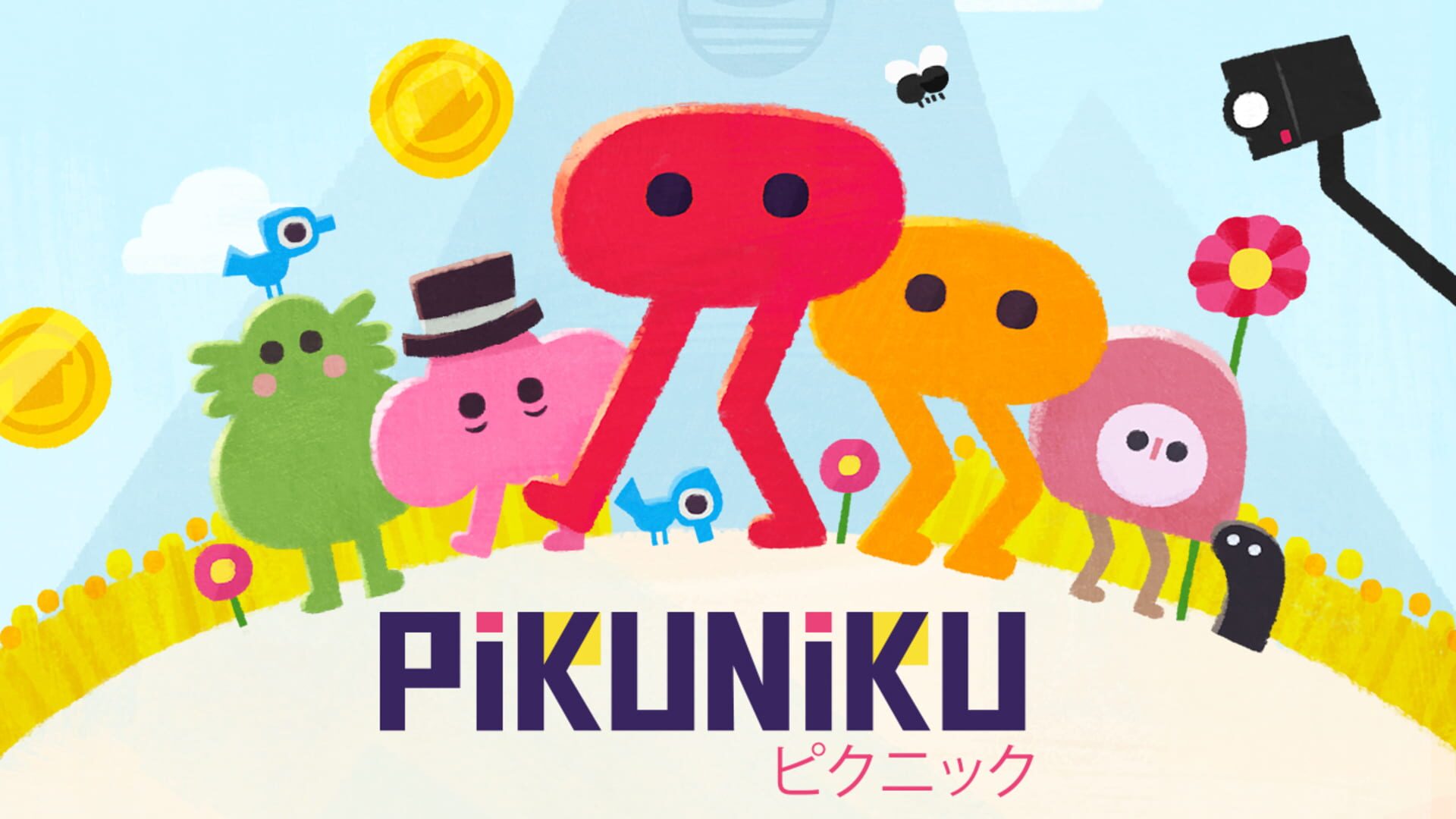
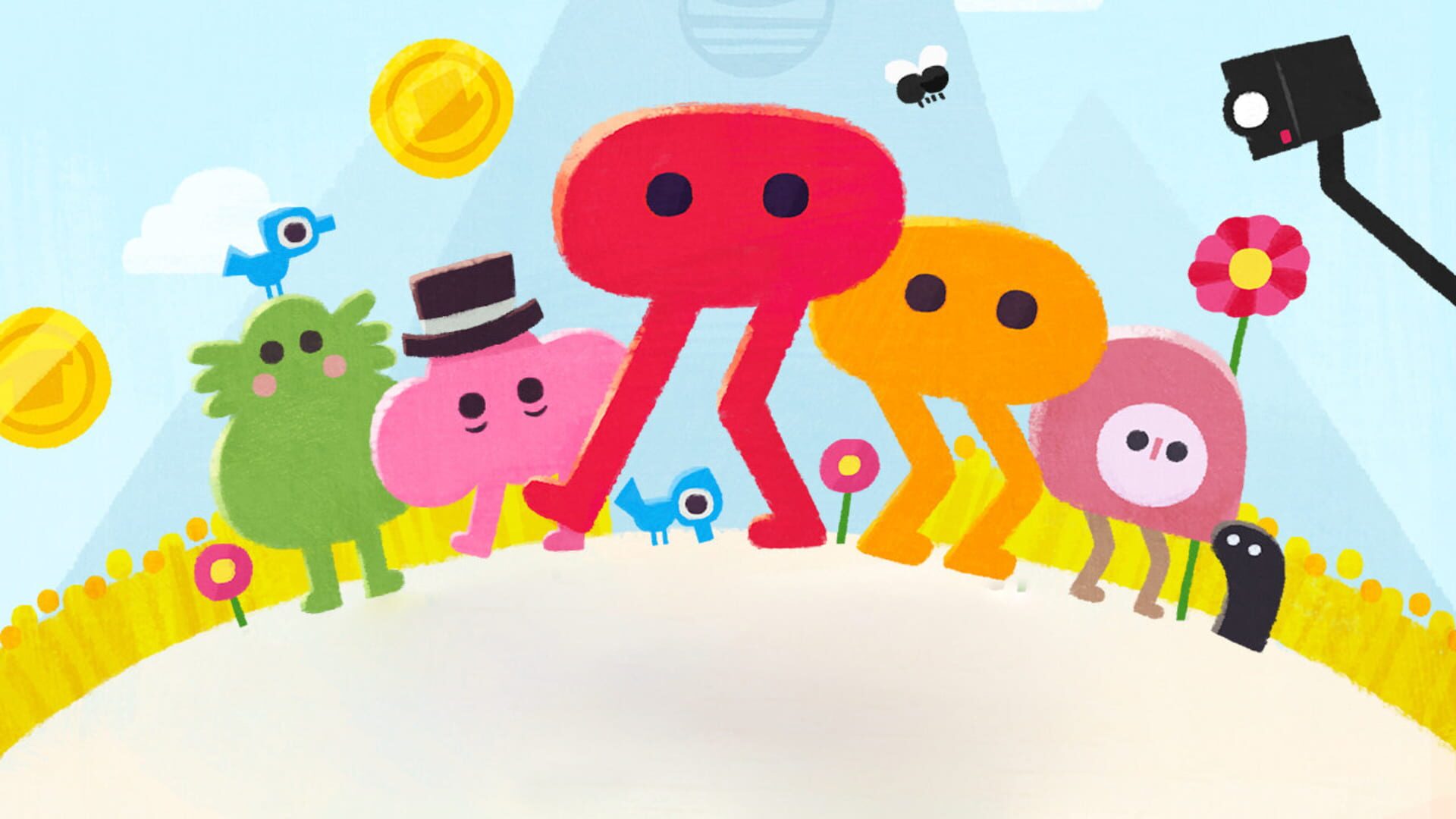
The first thing you’ll notice is that your character, a red blob with giant legs, moves with the grace of a folding chair falling down a flight of stairs. This isn't a precision platformer where you need pixel-perfect timing. It is a physics playground. You spend most of your time kicking things—rocks, birds, NPCs, your co-op partner—and watching them tumble.
For a kid, this is pure comedy. The game understands that movement itself can be the joke. When you "roll" to move faster, you tuck into a ball and bounce around uncontrollably. It creates a low-stakes environment where failing a jump isn't frustrating because the way you fail is usually hilarious. If your kid enjoyed the chaotic energy of Untitled Goose Game or the "destroy everything to progress" vibe of Donut County, they will fall right into this rhythm.
A gentle introduction to skepticism
The "deep state conspiracy" mentioned in the synopsis sounds like it belongs in a techno-thriller, but here it’s a brilliant parody of corporate overreach. A giant entity arrives promising "free money" to everyone, but they’re actually harvesting the world’s natural resources while the citizens are distracted by the cash.
It is a remarkably effective way to introduce the concept of critical thinking regarding authority. You aren't just jumping on platforms; you are seeing how a community gets tricked and then helping them organize. It never feels like a lecture because the characters are so absurd. One minute you’re talking about resource extraction, and the next you’re in a dance battle or playing a weird version of basketball. It manages to be about something "real" without losing its sense of play.
The co-op dynamic is actually helpful
Many games claim to have co-op but end up with one player doing everything while the second player just watches. This title handles it differently by offering a dedicated co-op mode with levels specifically designed for two people. These puzzles require genuine coordination. You might have to use one player as a platform or time your kicks to move an object through a maze.
Because the game is so short, it works perfectly as a rainy-day activity. It doesn't demand the 100-hour commitment of a major RPG. You can start it on a Saturday morning and see the credits by Sunday afternoon. In an era of "forever games" designed to keep kids hooked for years, a game that has a definitive, satisfying ending is a relief.
Why the "weirdness" works
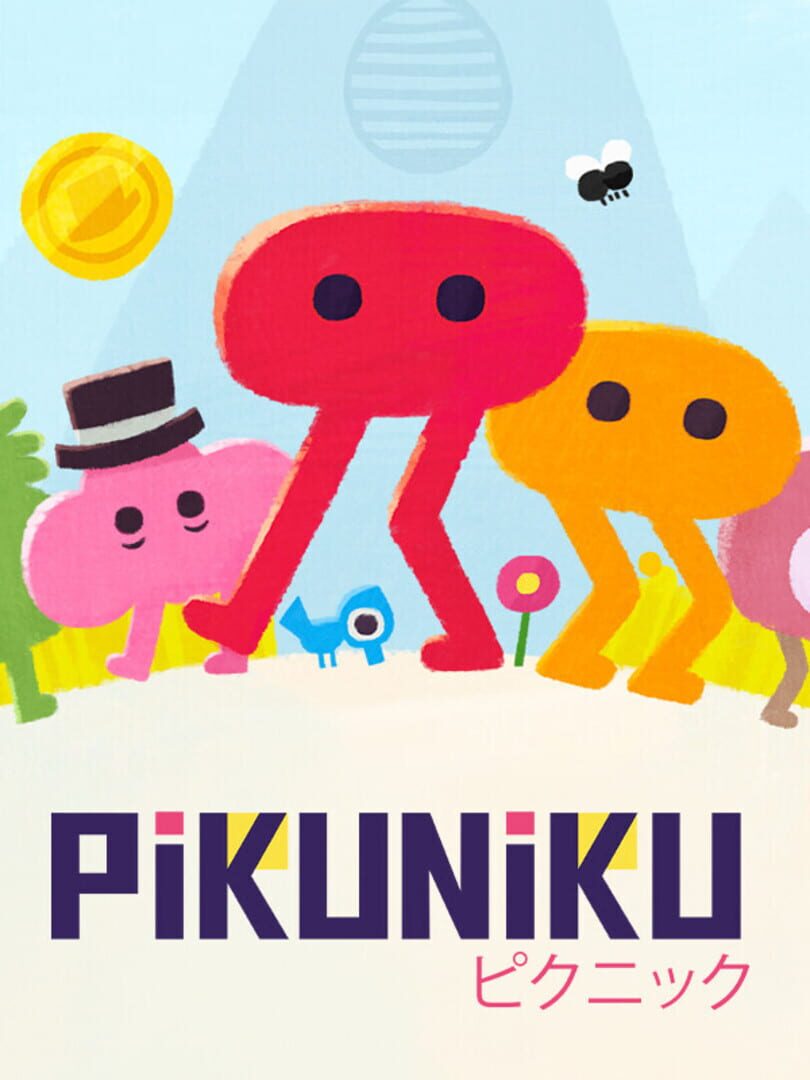
The art style is minimalist, using bold colors and simple shapes that look like they were cut out of construction paper. This aesthetic choice makes the "dystopian" elements feel safe. Even when things get a little tense or "spooky" in the underground sections, the bright palette keeps it from feeling overwhelming for younger players.
The humor is the real standout. It leans heavily into the absurdist style that defines modern internet culture—non-sequiturs, awkward silences, and strange character designs. It respects a kid's intelligence by not over-explaining the jokes. If you have a kid who loves "weird" humor or spends their time drawing strange creatures, this world will feel like home to them. It’s a polished, thoughtful indie experience that proves you don't need a massive budget to make something memorable.