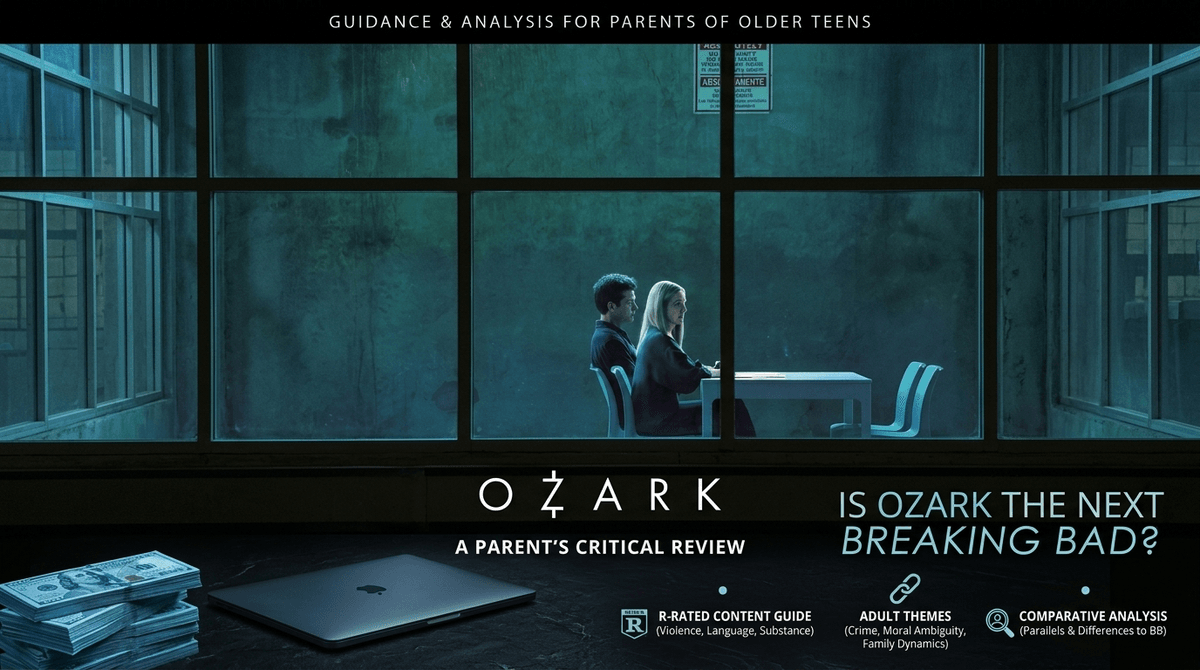
The Business of Survival
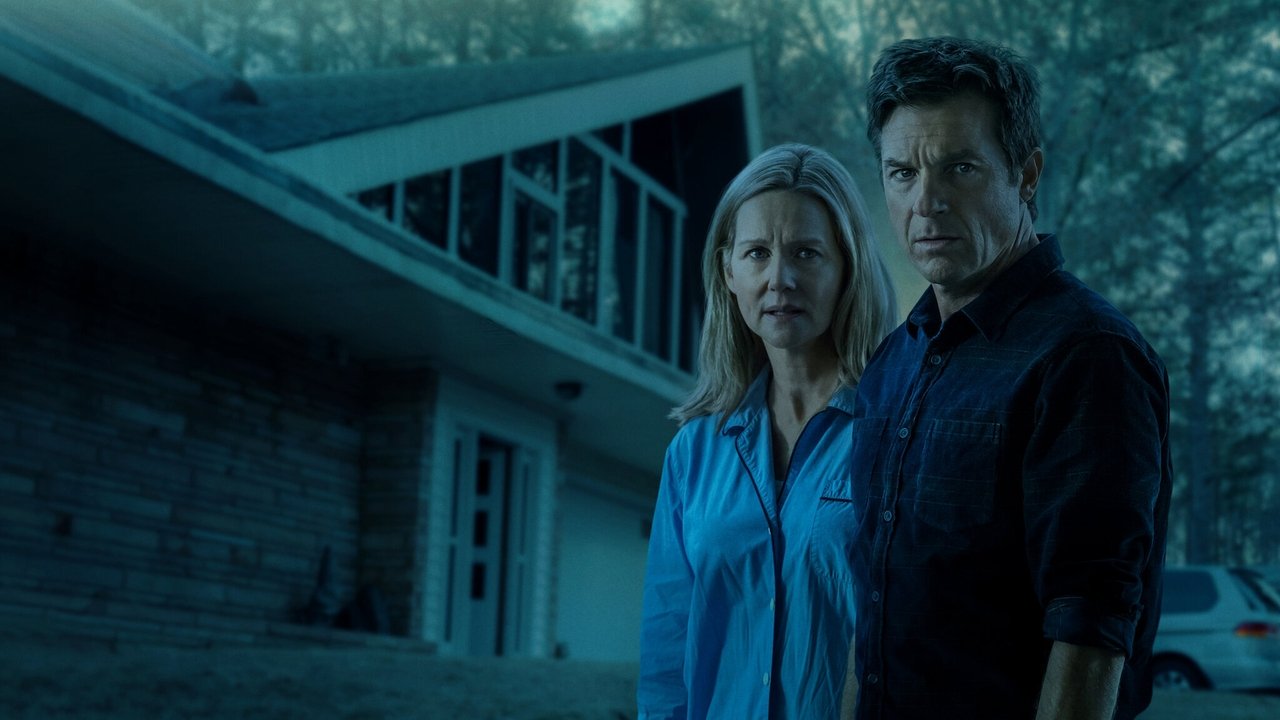
When Ozark landed in 2017, early reviews dismissed it as a pale Missouri clone of Breaking Bad. That comparison missed what makes the show uniquely compelling: Walter White was an ego monster looking for respect, while Marty Byrde is an actuary who believes every crisis can be solved with a spreadsheet and a calm tone.
Watching Marty negotiate with heroin-farming locals, corrupt politicians, and Mexican cartel enforcers feels less like classic antihero drama and more like the world's most high-stakes corporate restructuring. His weapons are ledger sheets, shell corporations, and drywall.
Wendy Byrde and the Slippery Slope
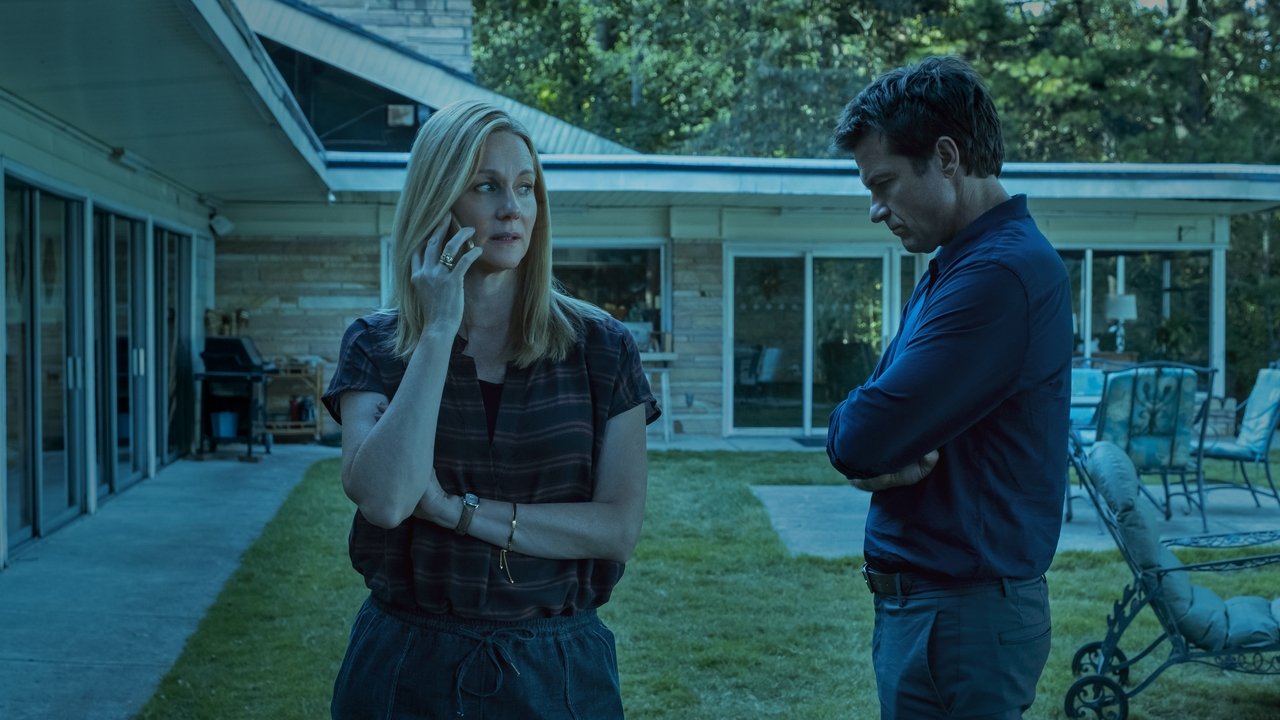
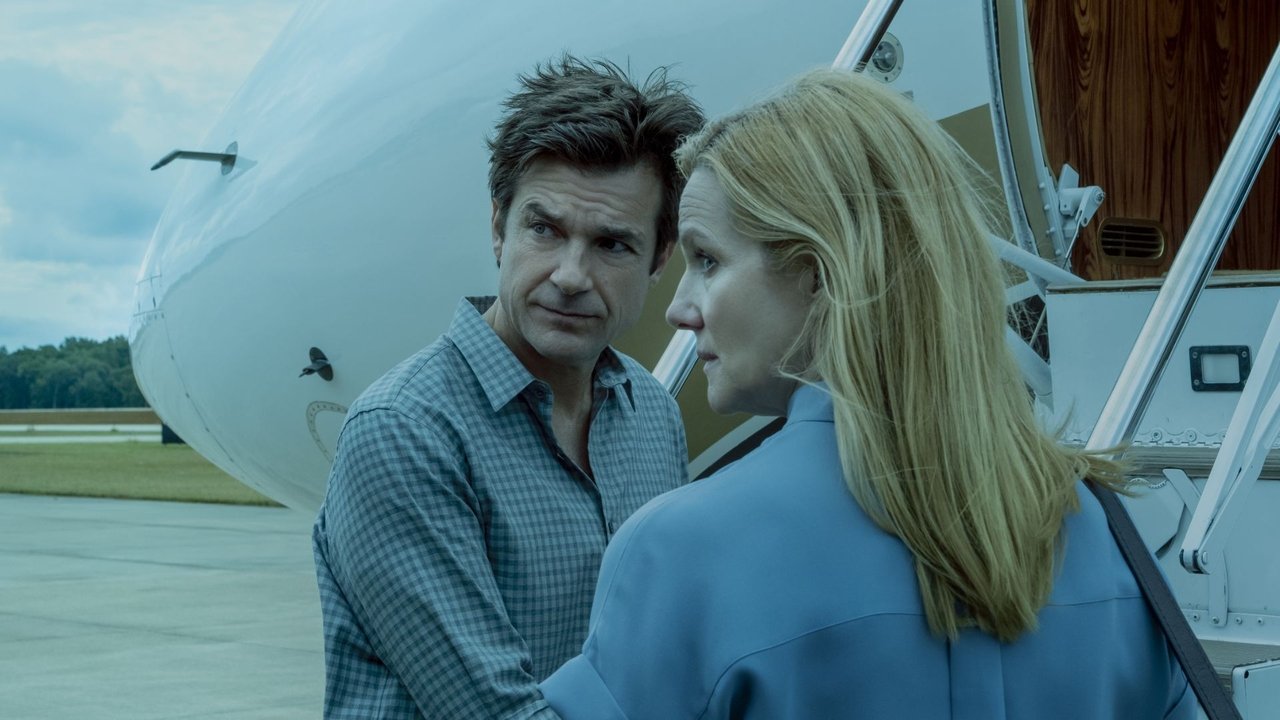
The real engine of the show isn't Marty; it's Wendy, played with chilling precision by Laura Linney. Starting as a reluctant partner trapped in a disaster, Wendy realizes quickly that small-town political machinery operates on the same dirty currency as national campaigns. Her descent from terrified mother to cold political powerbroker makes for one of television's best modern character arcs.
For an older teen interested in storytelling, film production, or ethical debates, the show offers plenty of meat:
- Ruth Langmore's tragedy: Julia Garner turns what could have been a hillbilly stereotype into the tragic heart of the entire series.
- The logistics of corruption: Few shows make the gritty reality of money laundering so tangible. Cash gets damp, rots, weighs hundreds of pounds, and requires actual legitimate revenue to disguise.
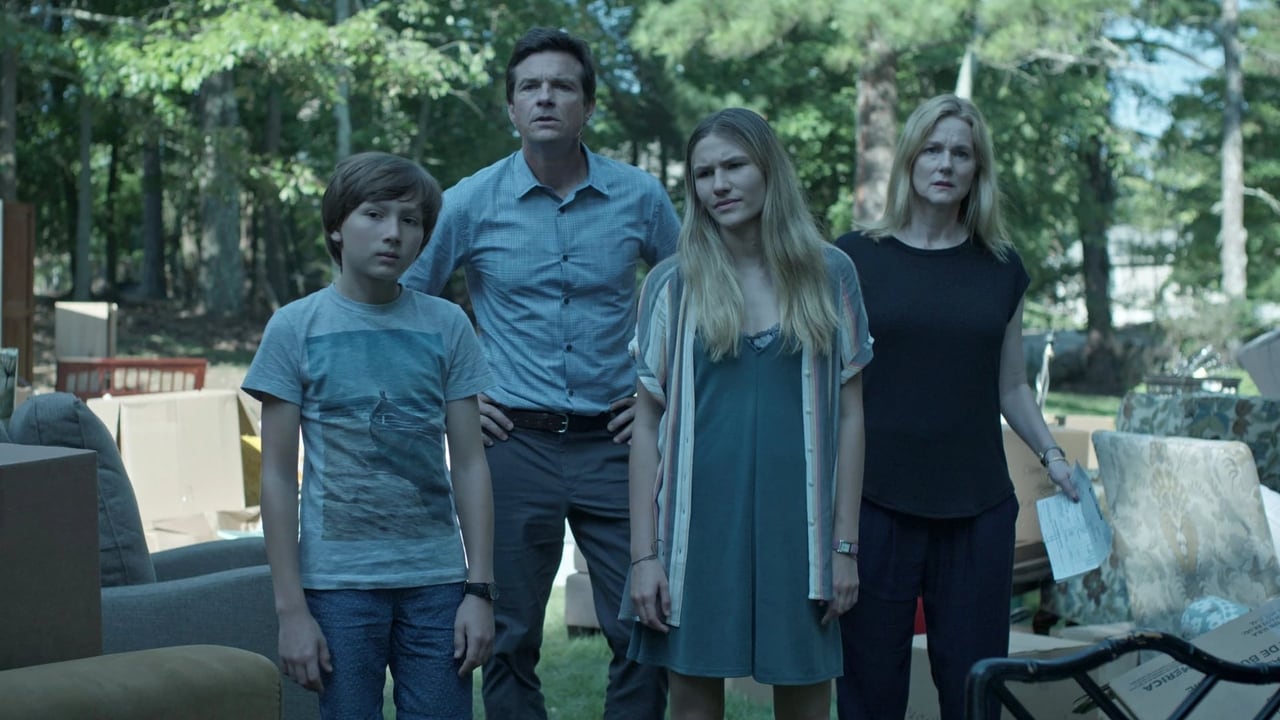
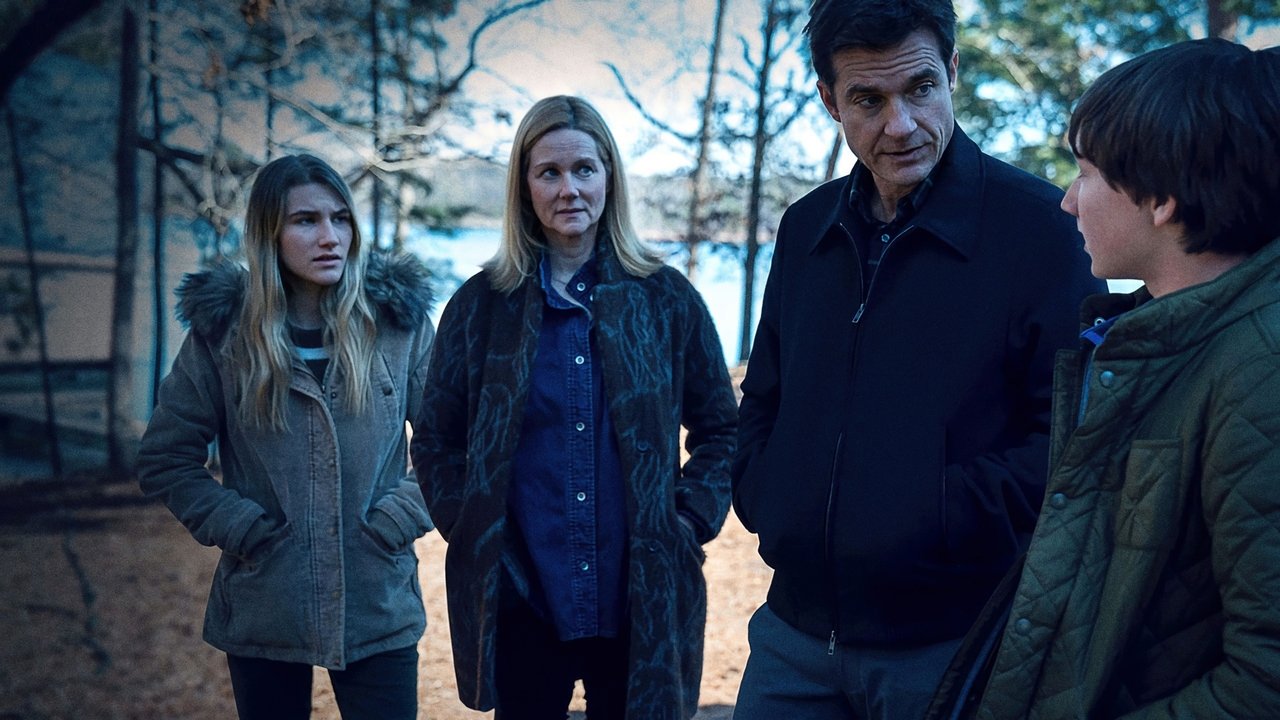
- Family complicity: The most disturbing aspect is how Charlotte and Jonah Byrde adapt to the family business, treating criminal conspiracy as mundane household chores.
If you choose to watch this with an older teenager, treat it as an active viewing experience. The show invites sharp debate about whether people who facilitate evil from behind an office desk are just as guilty as the ones pulling the triggers.