The "weirdo" factor
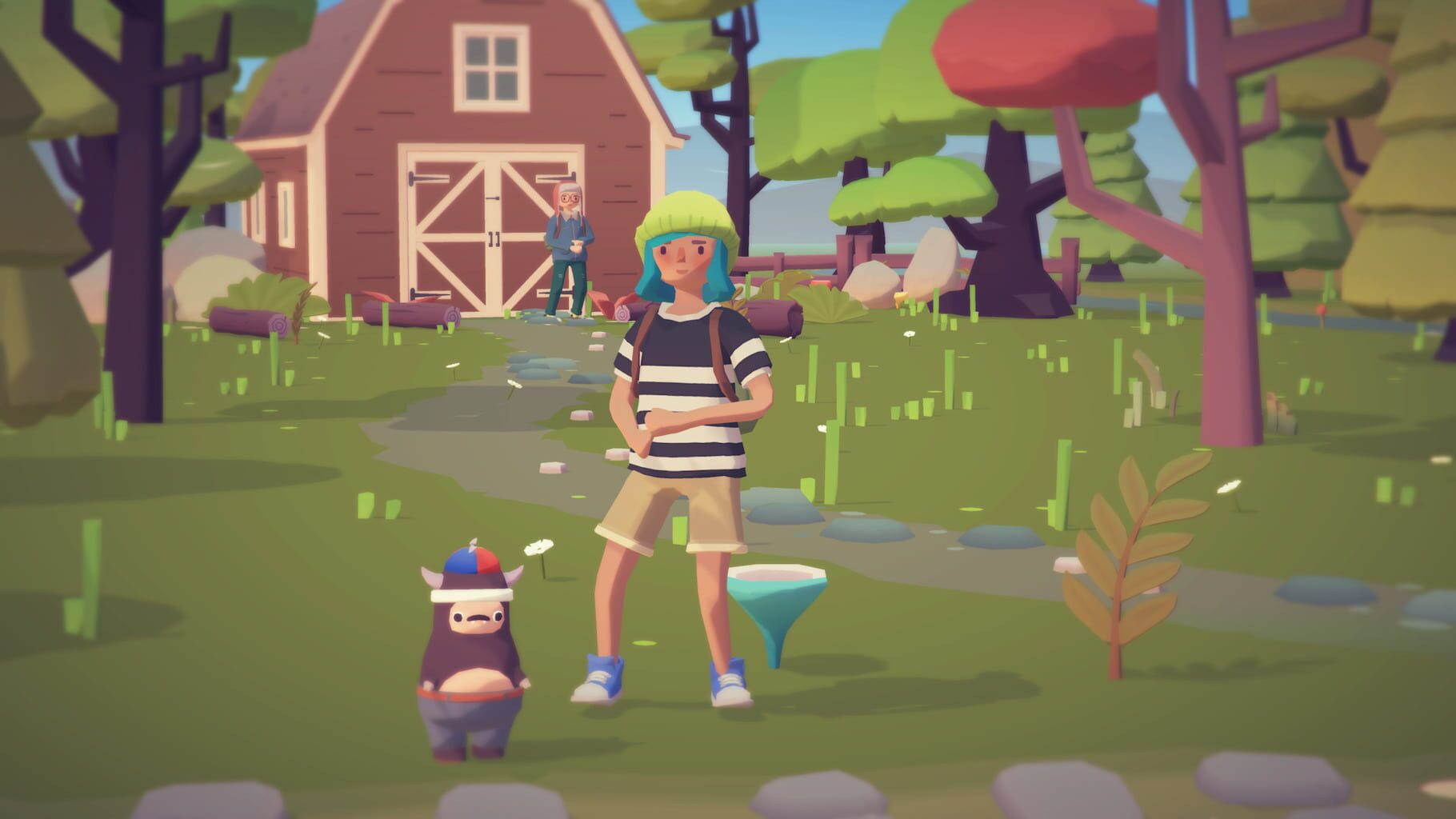
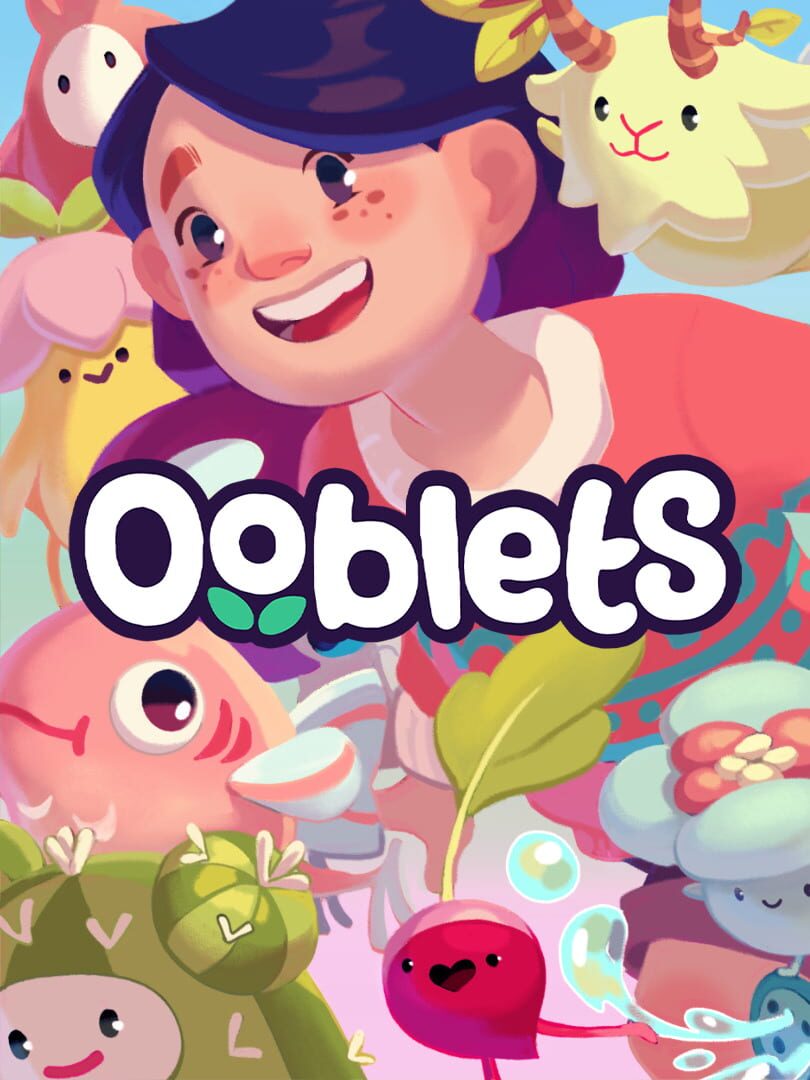
If Animal Crossing is the polished, corporate version of a digital vacation, Ooblets is the indie art film equivalent. It’s quirky, self-aware, and uses a vocabulary that sounds like a toddler trying to describe a fever dream—you’ll be collecting "gummy slugs" and "nubs" to upgrade your "hobs."
For a certain type of kid, this is a massive selling point. It feels like a secret club rather than a mass-market product. The humor is genuinely funny, often poking gentle fun at the tropes of simulation games for kids and the absurdity of being a newcomer in a town full of eccentric strangers. If your kid feels like they don't quite fit the "mainstream" gamer mold, they will likely find their people—and their plants—here.
It’s a secret strategy game
Don't let the pastel colors and googly eyes fool you. While the game is marketed as a cozy farm-sim, the "dance-offs" are actually a tight, turn-based card game.
Each ooblet you add to your team brings specific cards to your deck. Some are focused on "hype" (multipliers), while others steal points from the opponent. It’s an excellent, low-stakes introduction to deck-building mechanics. Your kid isn't just mashing buttons; they have to think about synergy and resource management (called "beats" here). It’s the kind of low-stress gaming that actually exercises logic and sequencing without the high-pressure timer of an action game.
The "just one more day" loop
The game excels at the "drip-feed" of rewards. You aren't just farming to make money; you’re farming to get the specific "trebbie" or "sweetypie" required to challenge a new ooblet to a dance-off so you can get its seed and grow one of your own.
This loop is addictive, but in a way that feels earned rather than manipulative. There are no loot boxes or daily login streaks designed to exploit FOMO. Instead, the progression is tied to exploration. To unlock new areas, you have to complete tasks for the Mayor, which usually involves a mix of foraging, crafting, and dancing. It’s a great way to help kids practice goal-setting and long-term planning. They can’t get the cool new creature right now; they have to plant the seeds, water them for three days, and gather the necessary items first.
Where the friction lives
The game can feel a bit "grindy" in the mid-game. There’s a lot of inventory management, and your character’s energy bar can deplete quickly, forcing you to eat snacks or nap. For kids who want to sprint through a story, this forced pacing might be frustrating.
It’s also worth noting that while the game is technically an RPG, the "battles" never feel aggressive. If your kid is looking for the competitive edge of a traditional battler, they might find the dance-offs a bit too "soft." But if they’ve ever spent three hours decorating a house in Minecraft or organizing their inventory in Animal Crossing, they’ll be right at home. This is a game about the joy of the process, not just reaching the end credits.