Beyond the Fourth Wall
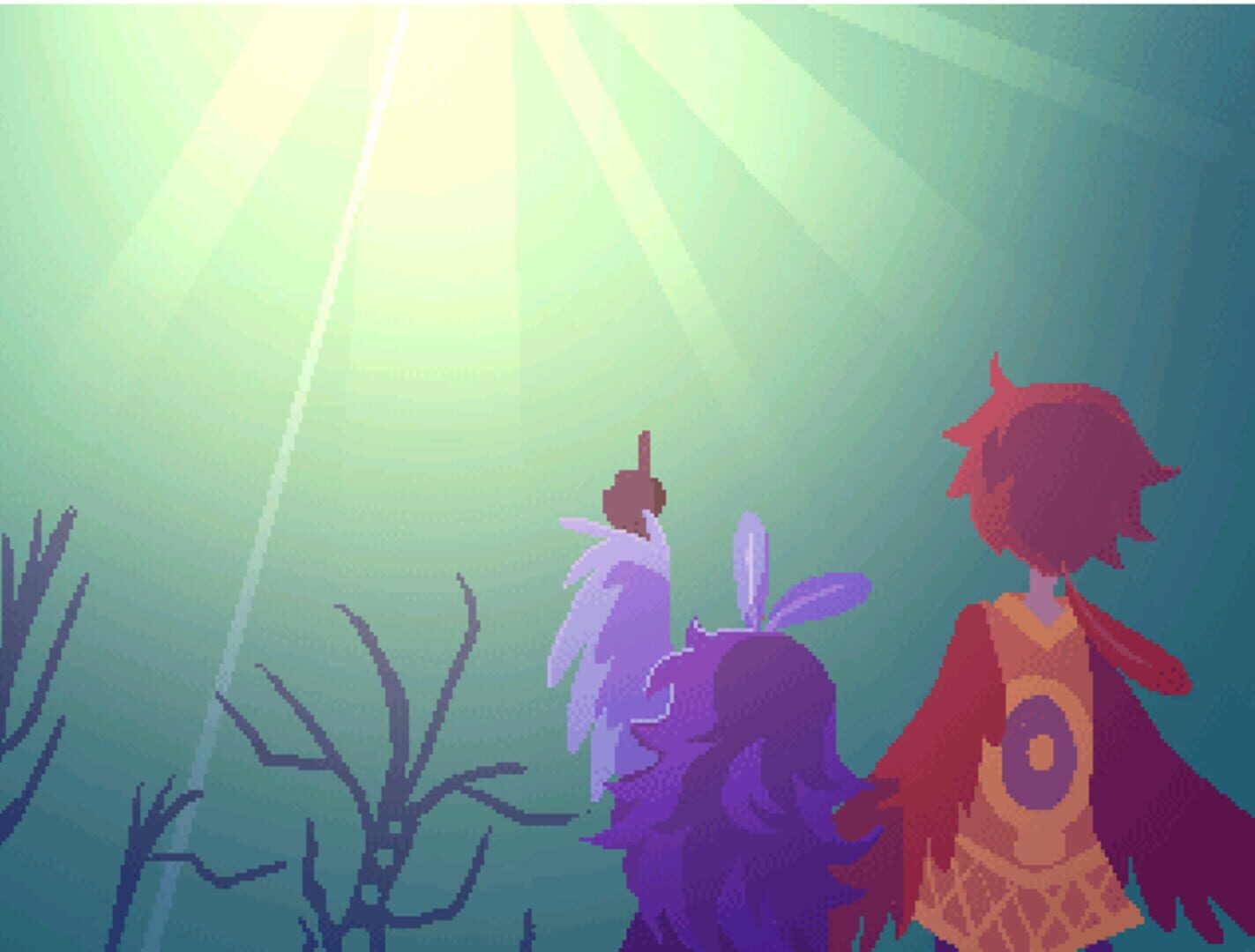
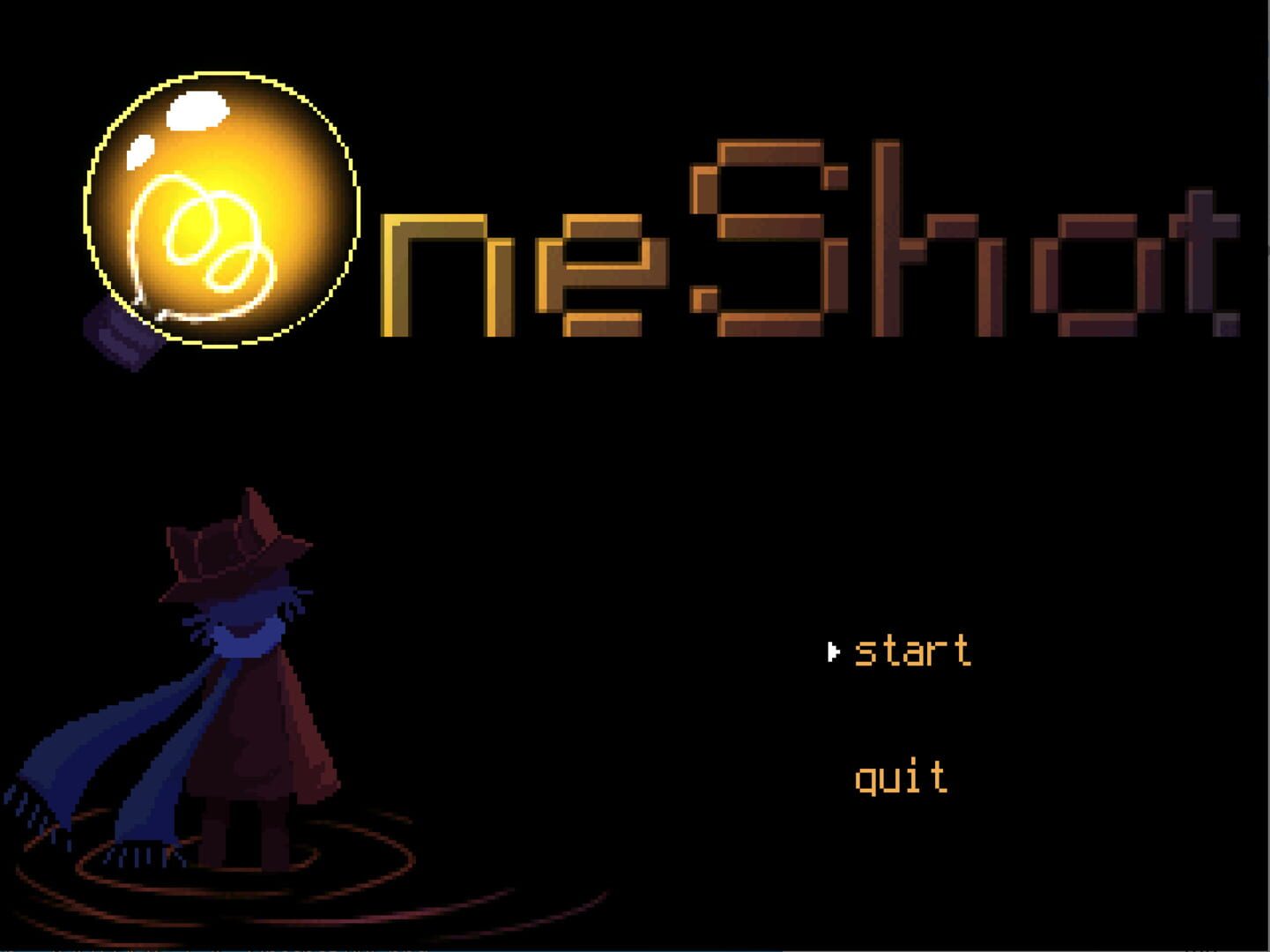
OneShot isn't just a game you play; it's a game you collaborate with. Released originally in 2014 and later refined, it occupies that special niche of 'meta-fiction' where the software acknowledges the hardware. You aren't just controlling Niko—the cat-like child carrying a literal sun—you are the 'God' of this world, and Niko knows it. They will talk to you, ask for your help, and react to the fact that you are sitting at a computer.
The 'Hacker' Lite Experience
The most striking thing about OneShot is how it teaches a kind of 'soft' computer literacy. To solve its puzzles, you might need to find a document the game 'dropped' into your Documents folder, or look at a file that only appears when the game is closed. It turns the act of navigating Windows Explorer into a gameplay mechanic. For a curious 11-year-old, this feels like being a digital detective. It’s safe, but it feels slightly 'forbidden' in a way that is incredibly engaging.
Empathy as a Mechanic
Unlike many RPGs where you are an invincible hero, Niko is vulnerable and often scared. The game's title—OneShot—originally referred to the fact that you only had one chance to save the world; if you closed the game improperly, Niko was 'lost.' While the later Steam version is more forgiving, that sense of responsibility remains the core of the experience. It’s a masterclass in building empathy through interaction rather than just cutscenes. It’s quiet, thoughtful, and will stay with you long after you close the window.