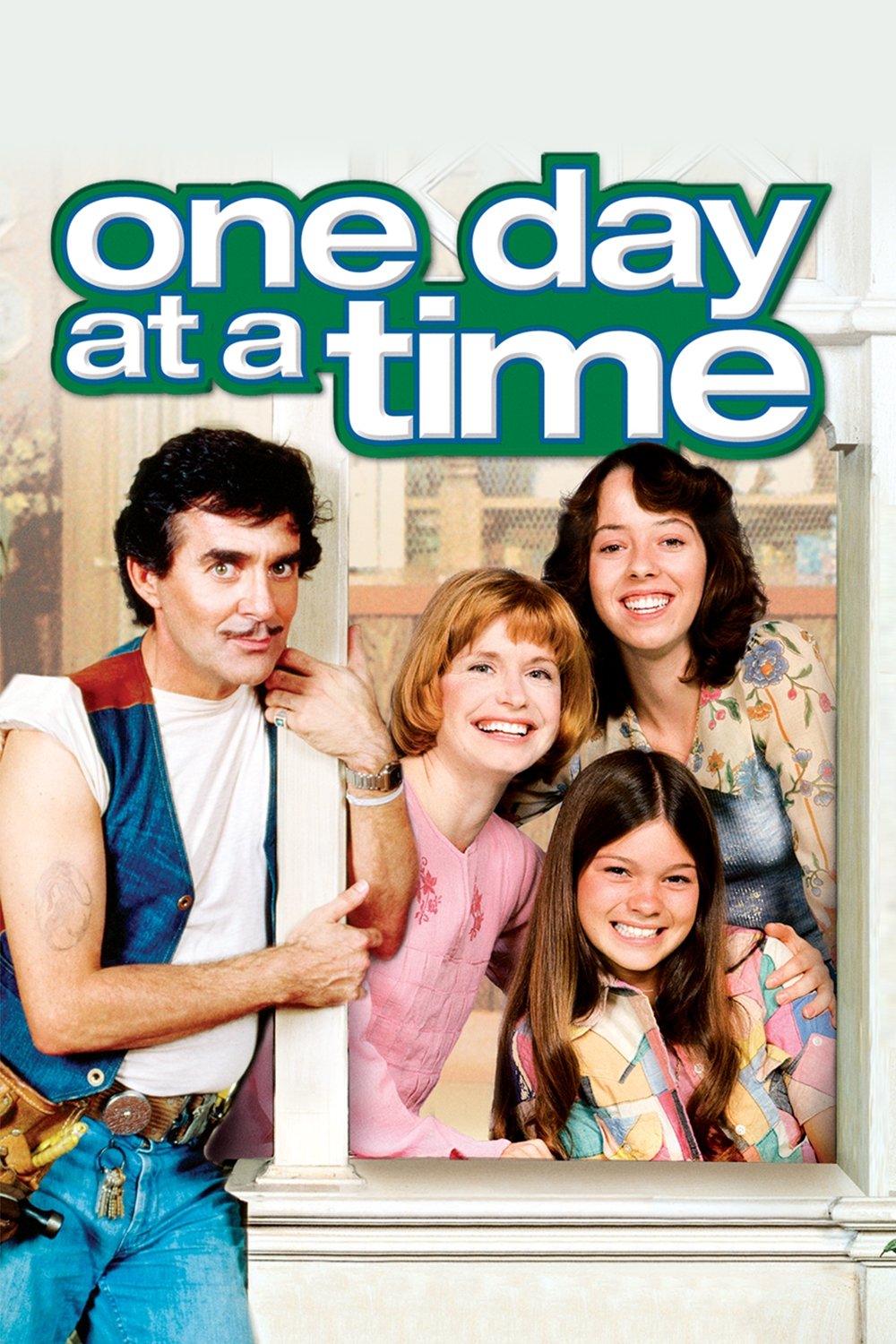
Where Norman Lear's Realism Lands Today
When One Day at a Time debuted on CBS in late 1975, the premise was genuinely disruptive: Ann Romano walked away from a seventeen-year marriage, kept her maiden name, took her teenage daughters to an Indianapolis apartment, and tried to build a life on her own terms. Television at the time was used to widows, but an unapologetic divorcee handling rent, sexist job interviews, and rebellious adolescent daughters was fresh ground.
Watched now, the show is a fascinating time capsule of second-wave feminism colliding with everyday parenting.
The Good: Honest Mother-Daughter Friction
The show works best when Ann, Julie, and Barbara sit down in that cramped kitchen and argue. Unlike the slick one-liner delivery of modern network comedy, these scenes breathe. Julie's defiance and Barbara's middle-child pragmatism ring true because the scripts allowed the characters to be genuinely angry with each other.
Key episodes deal with:
- Teen sexuality and birth control: Handled with candor and moral weight rather than cheap shock value.
- Economic anxiety: The constant arithmetic of groceries, rent, and deadbeat ex-husband drama.
- Schneider as extended family: Pat Harrington Jr.'s self-important maintenance man provided comic relief, gradually growing into an odd, protective uncle figure.
The Rough Edges
If you sit down with a twelve-year-old today, prepare to explain the slower cadence. The comedy operates on theatrical beats with pauses for the studio audience to settle down. Schneider's swagger and swagger-adjacent remarks to women would never make it into a script today, though the show always framed Ann as capable of cutting him down to size instantly.
If your family has watched the 2017 modern reimagining (which reframed the story around a Cuban-American military veteran mom), the original provides a fascinating look at the genetic blueprint of the story. On its own, it functions best as a historical artifact of American family life in transition.