The Drive to Survive Formula, Perfected on Ice
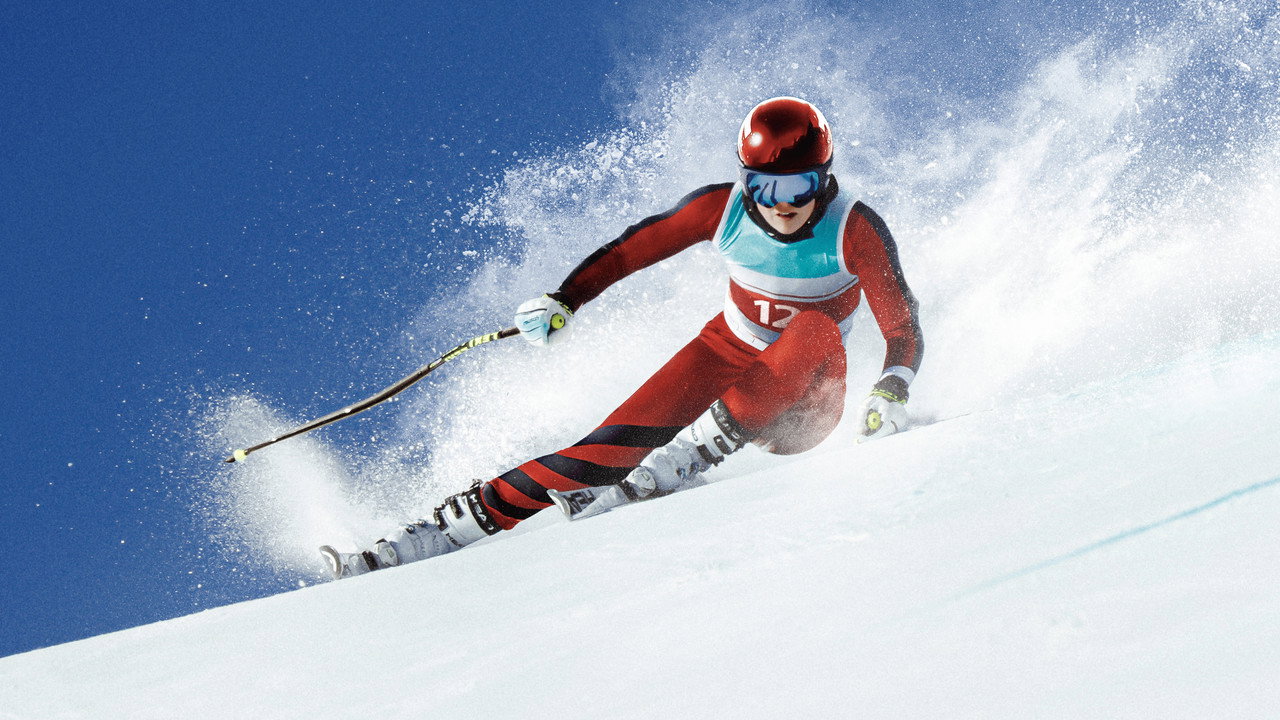
Alpine ski racing has always suffered from a television broadcast problem: television cameras placed miles back make an icy 80-degree wall look like an easy bunny slope. On the Edge finally solves that with hyper-close tracking cameras and unvarnished audio that lets you hear steel chattering violently against blue ice at eighty miles per hour.
Following the Audi FIS World Cup calendar across classic stops like Wengen, Kitzbühel, and Palisades Tahoe, the series zeroes in on the extreme contrast between two minutes of sheer adrenaline and four months of quiet, lonely travel across the Alps.
Why It Works for Young Athletes
Most modern sports media pushes an effortless-greatness aesthetic: hype music, celebration dances, thirty-second clips. This show lingers on:
- The brutal recovery cycles from blown ligaments and concussions.
- The intense psychological weight of being the gold-medal favorite when hundredths of a second decide whether you keep your sponsors.
- The technical discipline needed to inspect a course by foot and memorize every rut before dropping in blind.
For a kid who plays travel sports or deals with competitive performance anxiety, seeing someone like Mikaela Shiffrin openly talk about nausea in the start gate is worth ten motivational speeches.
Heads Up on the Danger Factor
Downhill skiing is arguably the most hazardous non-motorized sport on earth. When racers lose an edge at highway speed, the resulting wipeouts through the B-netting are jarring. The show does not sanitize the crashes or the subsequent surgeries. If your child is unsettled by real injuries, sit on the couch next to them so you can skip through the worst spills.