NPC Stream

tiktok

WISE
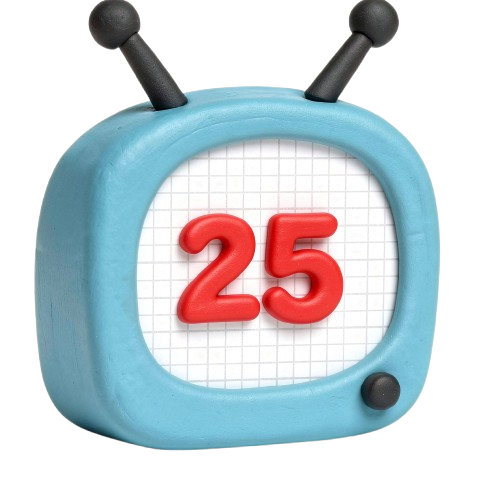
25%

WISE Score

The TikTok trend where people act like video game characters and robotically respond to virtual gifts—it's as weird and hollow as it sounds.

Screenwise Verdict

NPC streaming is one of those internet phenomena that makes you wonder if we've collectively lost the plot. Creators act like video game NPCs—repeating catchphrases robotically in response to virtual gifts—and people actually pay to watch this happen.

The format is explicitly designed to extract money through TikTok's gifting system, normalizing transactional parasocial relationships where viewers pay for predictable responses. There's no storytelling, no skill demonstration, no creativity beyond the initial gimmick. It's digital busking stripped of artistry.

For kids, this is brain rot in its purest form—repetitive, manipulative, and offering zero developmental value. If your kid is watching NPC streams, it's time for a conversation about what makes content actually worth consuming. This ain't it.
Age Fit

Honestly, this isn't appropriate or valuable for any age. Teens 13+ might encounter it on TikTok and find it briefly amusing or confusing, but there's no reason to actively seek it out.

WISE Breakdown
Wholesome
25

NPC streaming is a TikTok trend where creators act like video game NPCs, robotically repeating catchphrases in response to virtual gifts. The format is inherently repetitive, often chaotic, and models transactional behavior rather than genuine connection. The tone is performative and gift-driven, not emotionally healthy modeling.

Imaginative
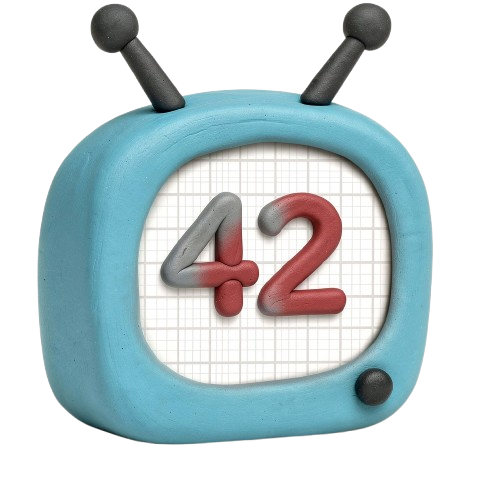
35

While the original NPC streaming concept showed some creative novelty in mimicking video game characters, it quickly became formulaic and repetitive. There's minimal invitation to explore, build, or express creativity—viewers passively watch predictable responses to digital gifts. The format is more mimicry than genuine imagination.

Safe
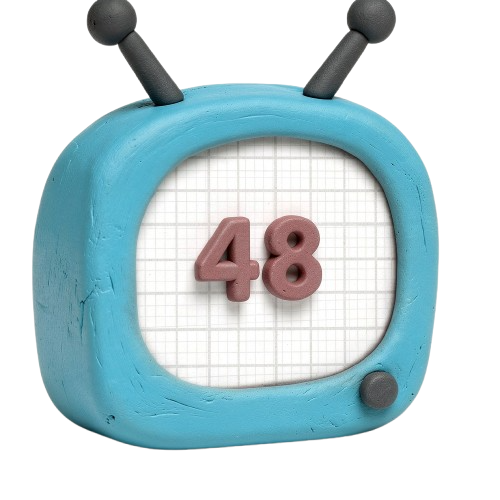
40

NPC streams on TikTok raise multiple safety concerns: they're explicitly designed to extract money through virtual gifts, normalize transactional parasocial relationships, and can expose viewers to unmoderated live chat. The repetitive, stimulus-response nature can be psychologically manipulative. While not containing graphic content, the monetization-first model and potential for inappropriate chat interactions are problematic.

Enriching
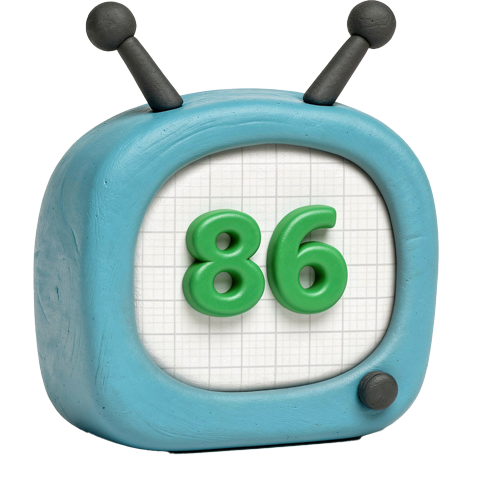
15

NPC streams offer virtually no educational value, skill-building, or meaningful takeaways. They're pure spectacle—watching someone robotically repeat 'ice cream so good' or 'gang gang' in exchange for digital coins. No cognitive growth, no empathy development, no personal insight. Entertainment value is debatable and extremely short-lived.

Parent Info
✓

Why It Might Be Great

  • Offers a bizarre cultural moment to discuss with kids about internet trends and parasocial relationships
  • Could spark conversations about digital labor, performance, and monetization
  • Might be mildly amusing for 30 seconds before the existential dread sets in
⚠

What to Watch For

  • The entire format is designed to extract money through virtual gifts—it's digital busking with a manipulative twist
  • Normalizes transactional relationships where attention equals payment
  • Repetitive, low-stimulation content that offers zero developmental value
  • Live chat environments can be unmoderated and inappropriate
  • Can lead kids down rabbit holes of similar low-quality, monetization-focused content

Conversation Starters

  • "Why do you think people watch someone act like a robot for hours?"
  • "What do you think about spending real money to make someone say a catchphrase?"
  • "How is this different from watching a video game or a regular show?"
  • "Do you think the streamers actually enjoy doing this, or are they just trying to make money?"

Ask Anything

Get a personalized guide on any topic