The "Cozy" Survivalist
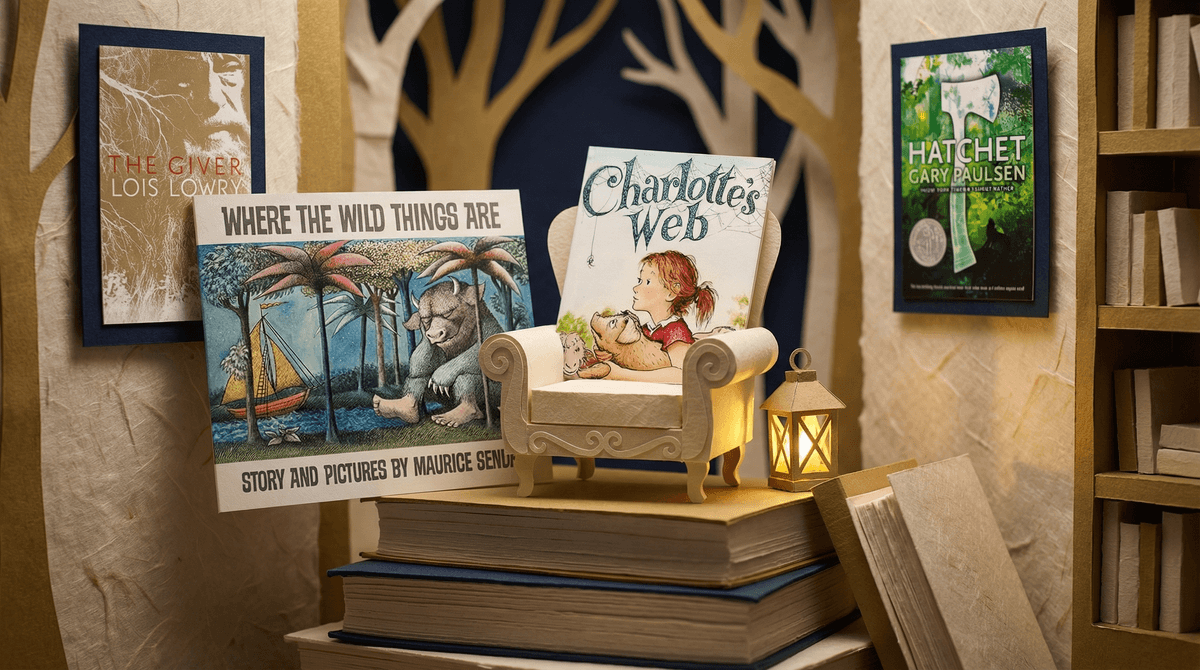
Most survival stories are about the desperate struggle to stay alive against the elements. Brian Robeson in Hatchet is fighting for his life; Sam Gribley is just trying to find a better lifestyle. This is less of a thriller and more of a 1950s DIY manual for a kid who wants a very extreme version of a treehouse.
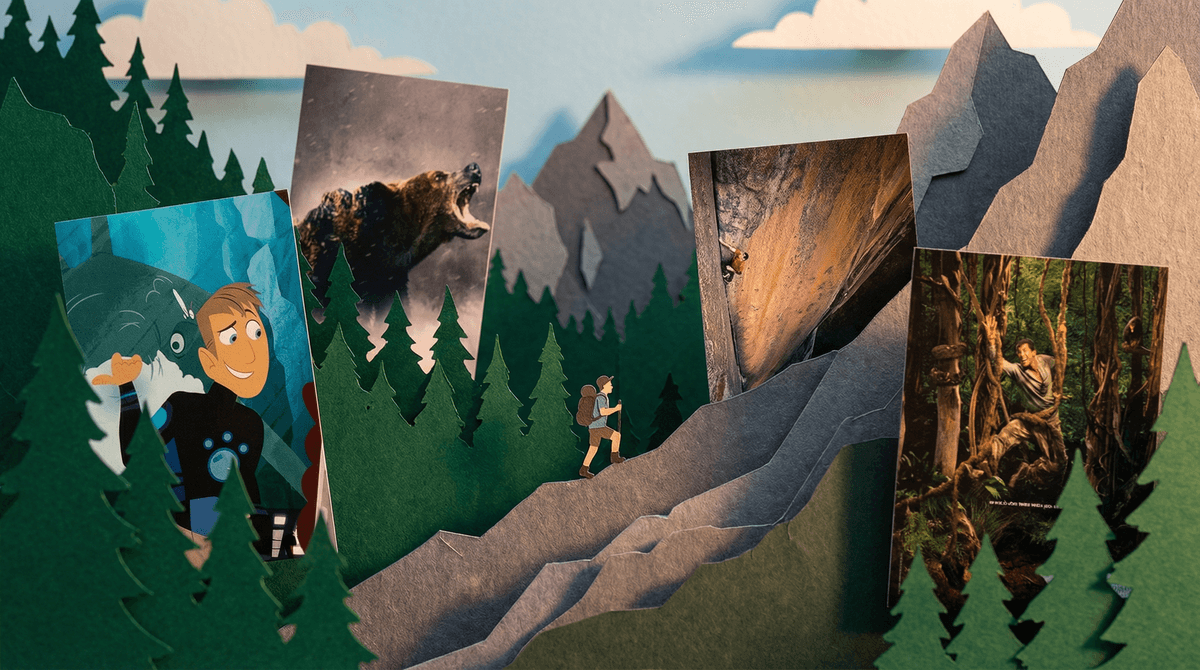
If your child has spent any time watching shows about hiking and solo adventures, they’ll recognize the DNA here. Sam isn’t just wandering the Catskills; he’s engineering a home inside a hollowed-out hemlock tree, tanning deer hides, and training a peregrine falcon named Frightful. It’s a pioneer fantasy that feels remarkably grounded because Jean Craighead George fills the pages with specific, gritty details about how things actually work.
The Hatchet Comparison
If your kid is coming to this after reading more modern books about nature and survival for elementary readers, the first thing they’ll notice is the lack of "stakes." There are no plane crashes or villains. The conflict is mostly Sam versus the winter or Sam versus his own loneliness.
For some kids, this is a relief. It’s a peaceful, competent adventure. For others—especially those used to the breakneck speed of modern middle-grade fiction—it can feel like reading a very long Wikipedia entry about foraging. If you’re trying to figure out if this is one of those classic American books for kids that will actually hold their attention, look at how they play video games. Does your kid love the "survival mode" in Minecraft where they spend hours just building a base and organizing chests? If so, they’ll probably find Sam’s meticulous preparation deeply satisfying. If they just want to get to the boss fight, they’re going to be bored by the three pages spent on making acorn flour.
The Independence Gap
There is a massive "1959-ness" to the premise that you should be ready to discuss. Sam’s father basically lets him hop on a bus and head into the mountains with a penknife and some flint. In 2026, that sounds like a call to Child Protective Services.
The book treats Sam’s desire for independence as a noble, natural urge rather than a sign of a broken home. It’s a great jumping-off point to talk about competence. We don't really let 12-year-olds do much on their own anymore, and reading about a boy who is entirely responsible for his own warmth and caloric intake is a powerful counter-narrative to the hyper-scheduled lives most kids lead.
Where the Friction Is
The prose is earnest and very "Newbery." It doesn't have the snark or the fast-twitch humor of contemporary fiction. If you’re worried the 1950s tone will be a barrier, try reading the first few chapters aloud. Once Sam gets Frightful (the falcon), the "cool factor" usually kicks in enough to carry a reluctant reader through the slower technical passages.
Just don't expect a propulsive plot. This is a book about the process of living. It’s about the quiet satisfaction of a well-made fire and the rhythm of the seasons. If you can get your kid to buy into the vibe, it’s a story that stays with them long after they’ve put the book back on the shelf.