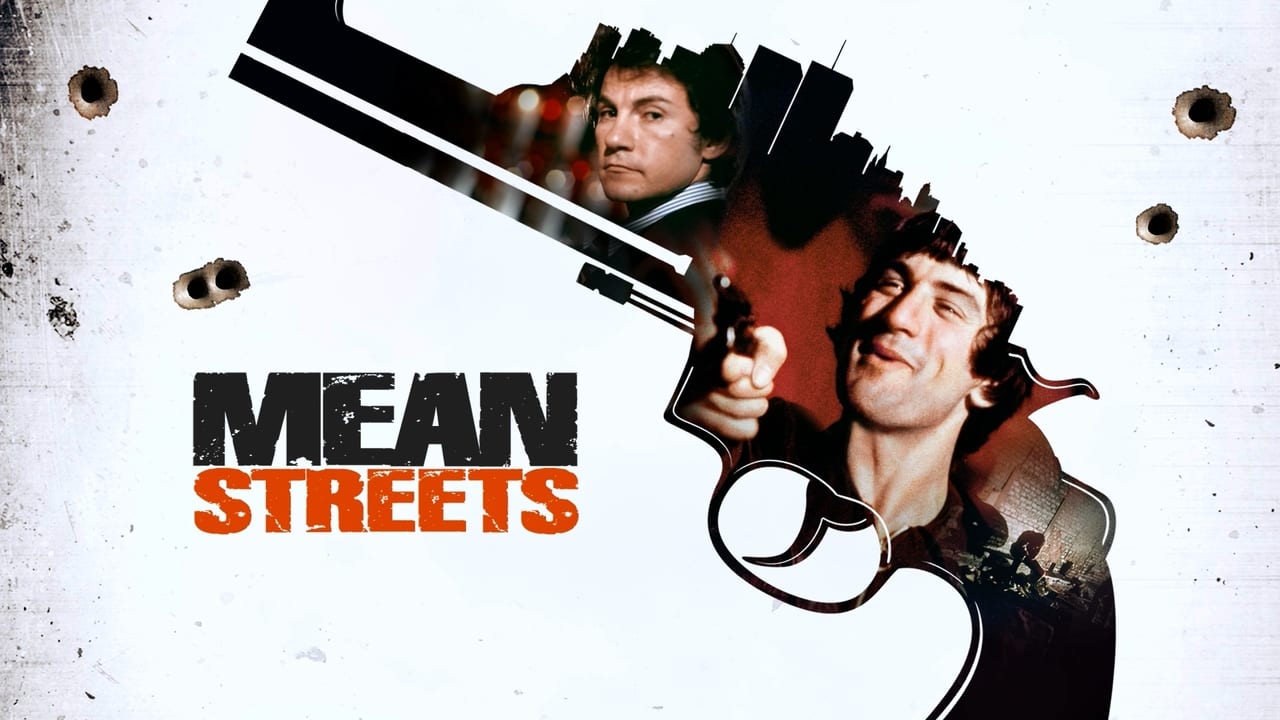
Where the Modern Crime Film Started
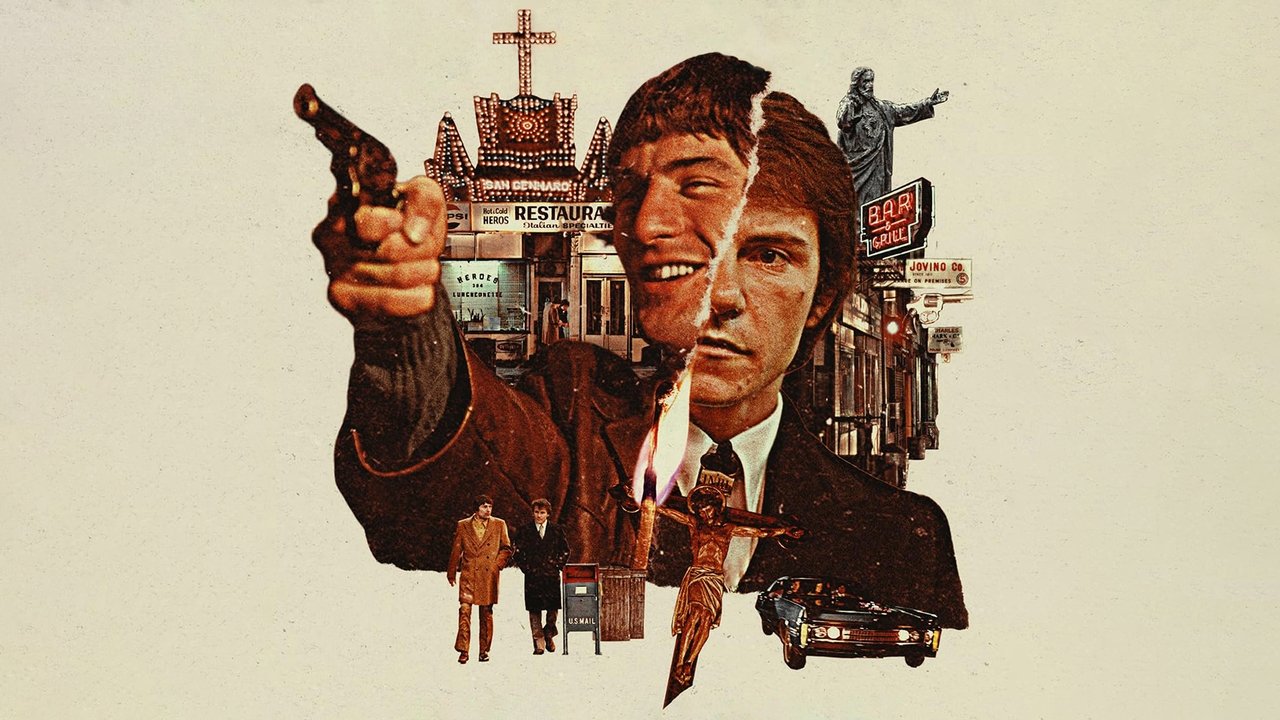
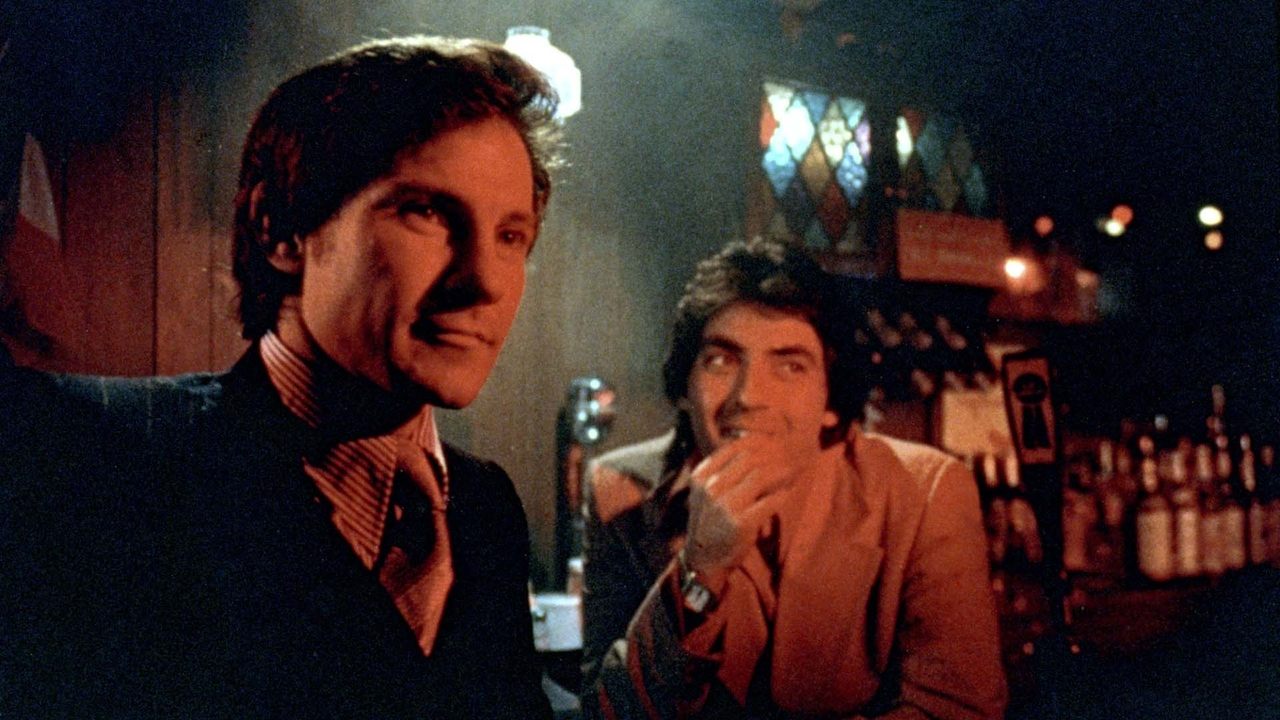
Before Goodfellas and Casino, Martin Scorsese established his signature voice with a micro-budget, 16mm-and-35mm shoot that took the romantic polish clean off the American gangster genre. Mean Streets does not give you criminal masterminds in tailored suits making backroom deals. It gives you twenty-somethings hanging out in dive bars, arguing over petty twenty-dollar tabs, and pretending their neighborhood connections make them untouchable.
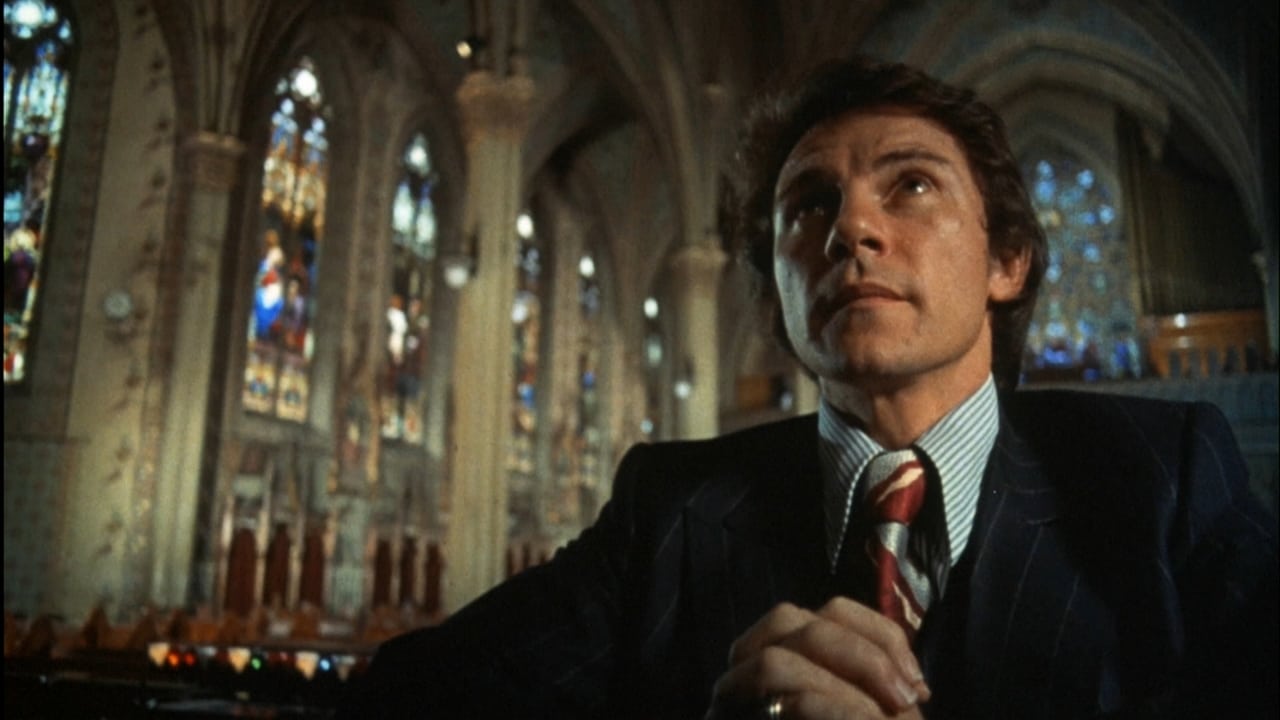
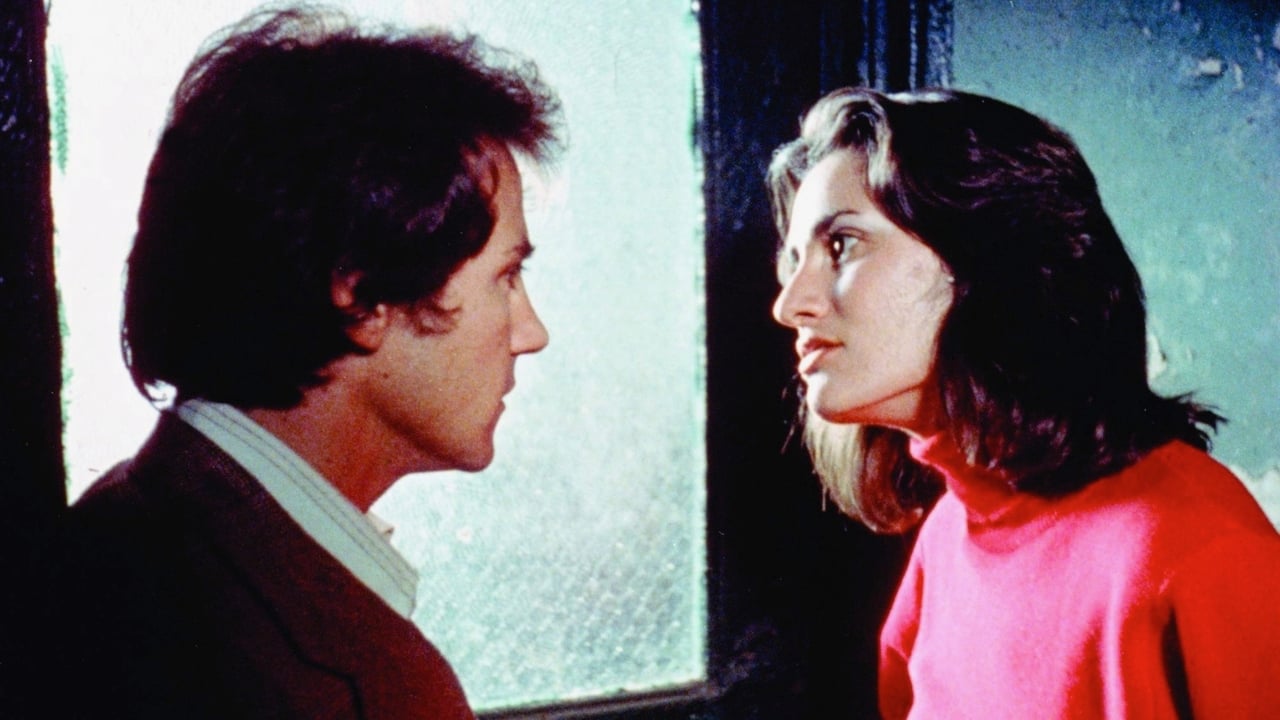
At the center of the film is a dynamic that any high schooler will recognize instantly: the burden of the toxic friend. Charlie wants to be a good person while working inside a corrupt system, and he treats saving Johnny Boy as his personal moral crusade. Watching Johnny Boy blow every chance he gets, taunting loan sharks and laughing off real danger, turns the film into a slow-motion car crash that still feels uncomfortably real.
The Technical Shock to the System
If your teen only knows modern streaming movies with clean digital lighting and CGI set pieces, Mean Streets will feel alien at first glance. The audio mixes dialogue right into blaring jukebox tracks, the camera weaves through crowd brawls on a literal operator's shoulder, and scenes end on awkward silences rather than punchy one-liners.
That roughness is the point. When Charlie walks through Tony's bar in slow motion while the Rolling Stones play on the soundtrack, you are watching the exact moment rock music became an emotional engine in American filmmaking. Pairing this with a later film like Taxi Driver or Goodfellas shows how an artist refines raw talent into a master craft.
Approaching the Language and Content
The biggest friction point for modern viewers will not be the violence, which is relatively brief compared to contemporary action movies, but the casual bigotry of the characters. The men in this neighborhood use offensive slurs against Black people, gay people, and rival ethnic groups as everyday slang. Talking about that context beforehand helps: Scorsese was capturing the insular, prejudiced reality of the subculture he grew up around, not endorsing it.