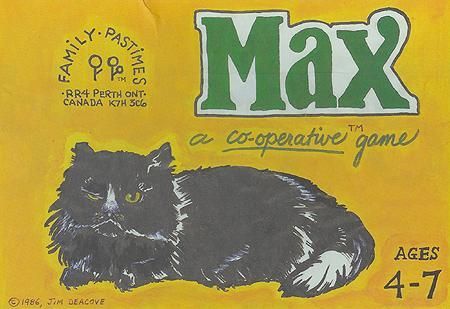
The Pioneer of Cooperative Play
Long before cooperative board games became a massive trend for adults (think Pandemic), Jim Deacove and his company Family Pastimes were quietly churning out games based on the then-radical idea that players should help each other. Max the Cat is arguably their most famous export, and it hasn't aged a day in terms of gameplay utility.
In most kids' games, the 'strategy' is non-existent—you spin a wheel, you move a piece. Max is different. Because you have three different animals to move and a limited number of treats to lure the cat away, kids actually have to make choices. Do we save the bird first because it's closest to the tree? Or do we help the mouse because Max is right on its tail?
Why it works in 2026
Even in a world of high-def apps and flashy toys, Max the Cat holds its own because it facilitates a specific kind of social interaction. It forces siblings who usually bicker to sit on the same side of the table. It’s a low-stakes way to practice shared victory and shared loss.
If the cat wins, nobody is the 'loser'—the group just didn't get the animals home this time. That shift in perspective is massive for emotional development. It’s also one of the few 'educational' games that doesn't feel like a homework assignment in disguise. You're just trying to beat the cat.