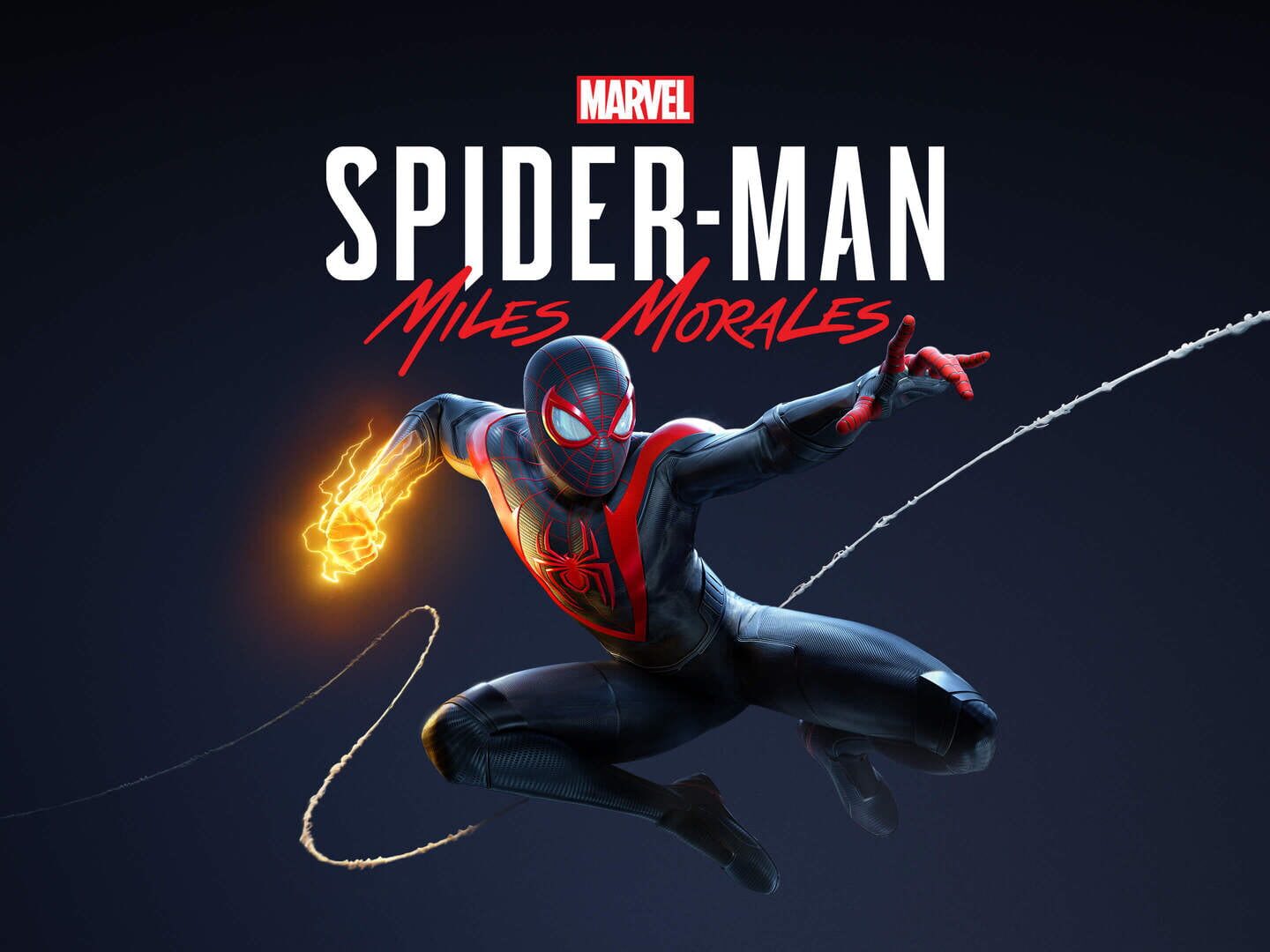
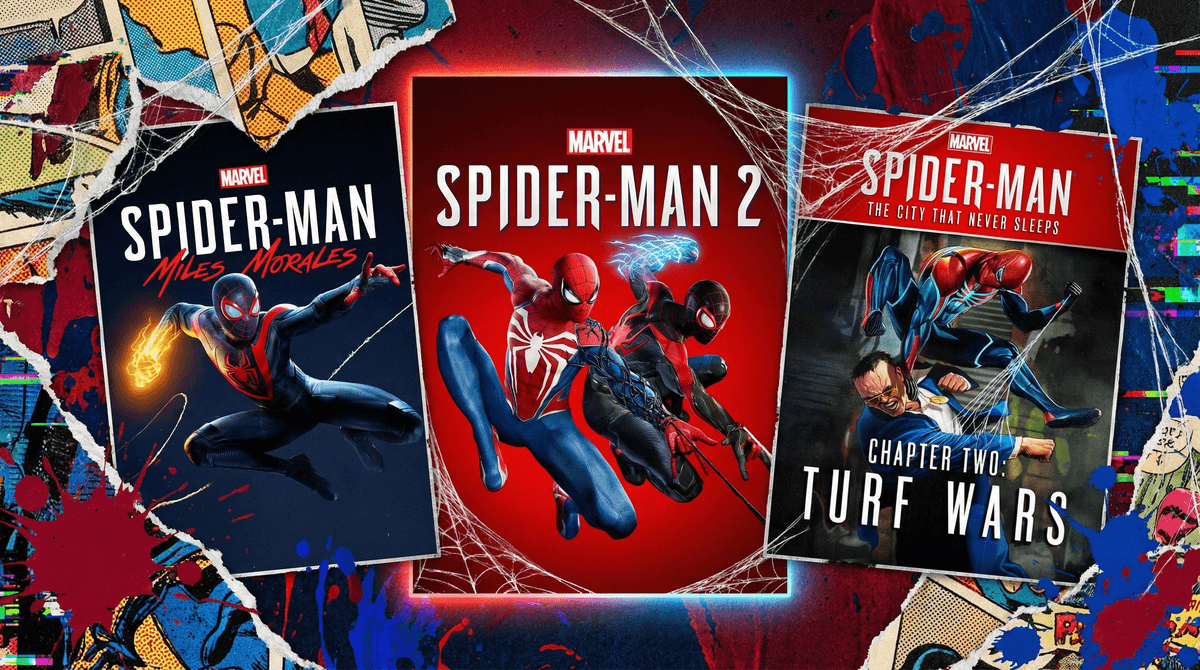
Think of this as the "Empire Strikes Back" of the series—it’s shorter, punchier, and in many ways, more focused than the original. While the first game was a sprawling epic about Peter Parker’s decade-long career, this story is a tight, snowy snapshot of a kid trying to fill massive shoes while his mentor is out of town. It’s a standalone experience that doesn’t require a 50-hour commitment to feel like you’ve actually accomplished something.
The Harlem difference
The biggest shift here isn't just the protagonist; it’s the setting. While the map is technically the same New York City from Marvel’s Spider-Man: A Parent’s Guide to the PS4 Blockbuster, the focus shifts entirely to Harlem. The game trades the generic skyscraper-swinging for a neighborhood that feels lived-in. You’ll see murals of local heroes, hear a heavy hip-hop influence in the score, and interact with a community that actually knows Miles by name.
If your kid is already a fan of the Spider-Verse movies, this is the closest they can get to playing those films. It captures that same "leap of faith" energy. For a deeper look at why this specific version of the character has become such a cultural powerhouse, check out our guide on Miles Morales: What Parents Should Know About Spider-Man's Brooklyn Hero.
Flashier, faster combat
If you’ve played the first game, the combat here will feel familiar but significantly more explosive. Miles has "Venom" powers—basically bio-electricity—that allow him to stun groups of enemies or launch himself into the air. It changes the rhythm of the fights from the gadget-heavy strategy of Peter Parker to something much more kinetic and visual.
The "hack and slash" genre tag in the data is a bit of a stretch; it’s more of a rhythmic brawler. You’re timing dodges and counters rather than just mashing buttons. It’s satisfying without being punishingly difficult, making it one of the more accessible superhero games for kids who are moving up from LEGO titles but aren't quite ready for the hardcore difficulty of something like Elden Ring.
The "Zero Bloat" factor
A lot of modern open-world games feel like they’re trying to hold you hostage with endless checklists and repetitive side missions. This game is the opposite. It’s a lean experience. You can finish the main story over a long weekend, which is a blessing for families who don't want a single game dominating the living room for three months.
The friction points are minimal. There are no confusing crafting menus or predatory "time-saver" packs to buy. The only real hurdle is the occasional spike in boss fight intensity, which might require a few tries to master the patterns. If they get stuck, the game is usually pretty generous with checkpoints. It’s a polished, high-budget spectacle that respects your time—and your wallet.