The comic book that changed history
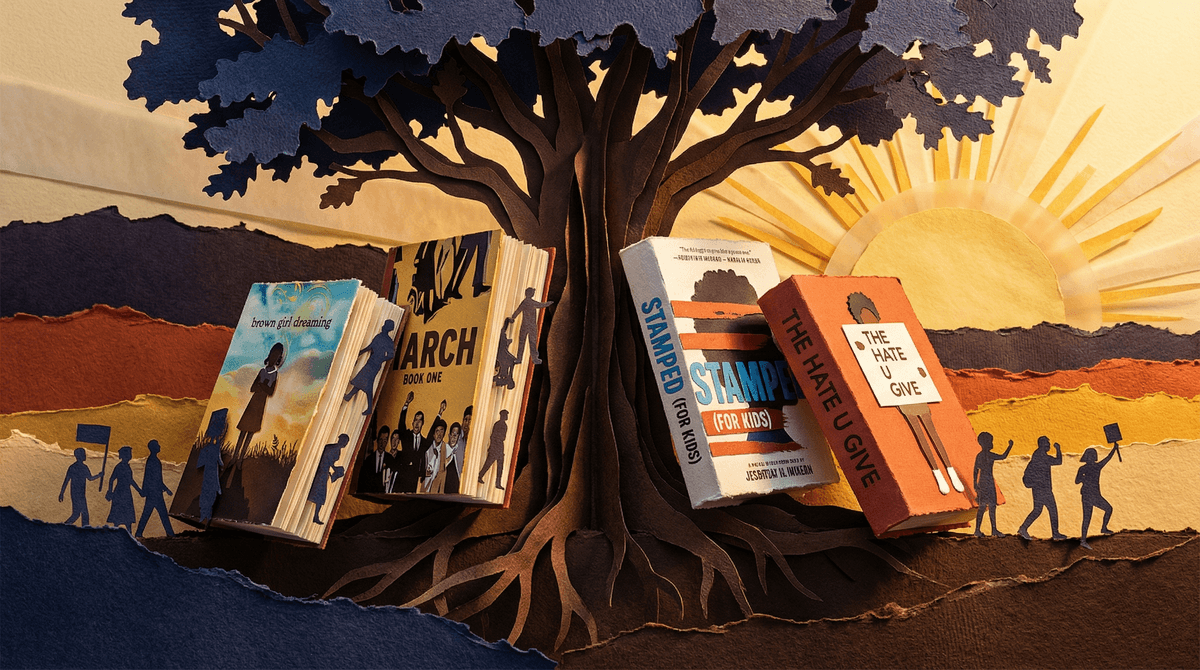
It’s easy to forget that the civil rights movement was fueled, in part, by a literal comic book. In the late 1950s, a 16-page comic titled Martin Luther King and the Montgomery Story circulated among activists, teaching the mechanics of nonviolent protest. John Lewis was one of the people who read it. By choosing the graphic novel format for his own memoir, Lewis wasn't just trying to be "hip" for a younger generation; he was returning to the medium that actually helped spark the movement.
If you have a kid who is a "reluctant reader" or someone who thinks history is just a list of dates to memorize, this is the antidote. We often talk about whether graphic novels count as reading, but March proves they can be more demanding and impactful than a standard biography. Nate Powell’s ink-wash artwork does things a prose book simply can’t. It captures the claustrophobia of a crowded lunch counter and the terrifying silence before a police charge.
Beyond the "I Have a Dream" highlights
Most school curricula give kids the sanitized, "greatest hits" version of the 1960s. March is different because it focuses on the grind. It shows the endless meetings, the practice sessions where students yelled slurs at each other to prepare for the real thing, and the internal strategic debates. It’s a masterclass in how change actually happens, making it a foundational pick for books for young activists.
The framing device is also brilliant. The story starts in 2009 on the morning of the first inauguration of a Black president, then flashes back to Lewis's childhood in rural Alabama. This helps readers bridge the gap between the "long ago" and the world they live in now. It turns history into a living, breathing thing rather than a museum exhibit.
Where the friction lies
You should know that March is intentionally uncomfortable. It uses the specific, ugly language of the Jim Crow era. The violence isn't stylized or "cool" like a superhero comic. It’s messy, unfair, and often happens to people who are specifically choosing not to fight back.
For a 12- or 13-year-old, seeing a group of well-dressed students being pulled off lunch counter stools and beaten while the police watch is a lot to process. But that friction is exactly why the book works. It forces a conversation about why nonviolence was such a radical, difficult choice. If your teen has already read George Takei's graphic memoir, they’ll recognize the same blend of personal trauma and political resilience.
How to use this at home
Don't just hand this to your kid and walk away. Because it’s a graphic novel, they might fly through it in forty minutes. To get the most out of it, you want to slow them down. Ask about the art. Why are some panels pitch black? Why does the lettering change when someone is shouting?
This is also one of the best black history books for teens because it doesn't end with a neat "we won" bow. It’s the first part of a trilogy that acknowledges how much work was left to do. If they finish Book One and start asking questions about why these same issues are on the news today, the book has done its job. It’s an invitation to look at the world with a more critical, informed eye.