The Laxman-Narayan-Nag Power Trio
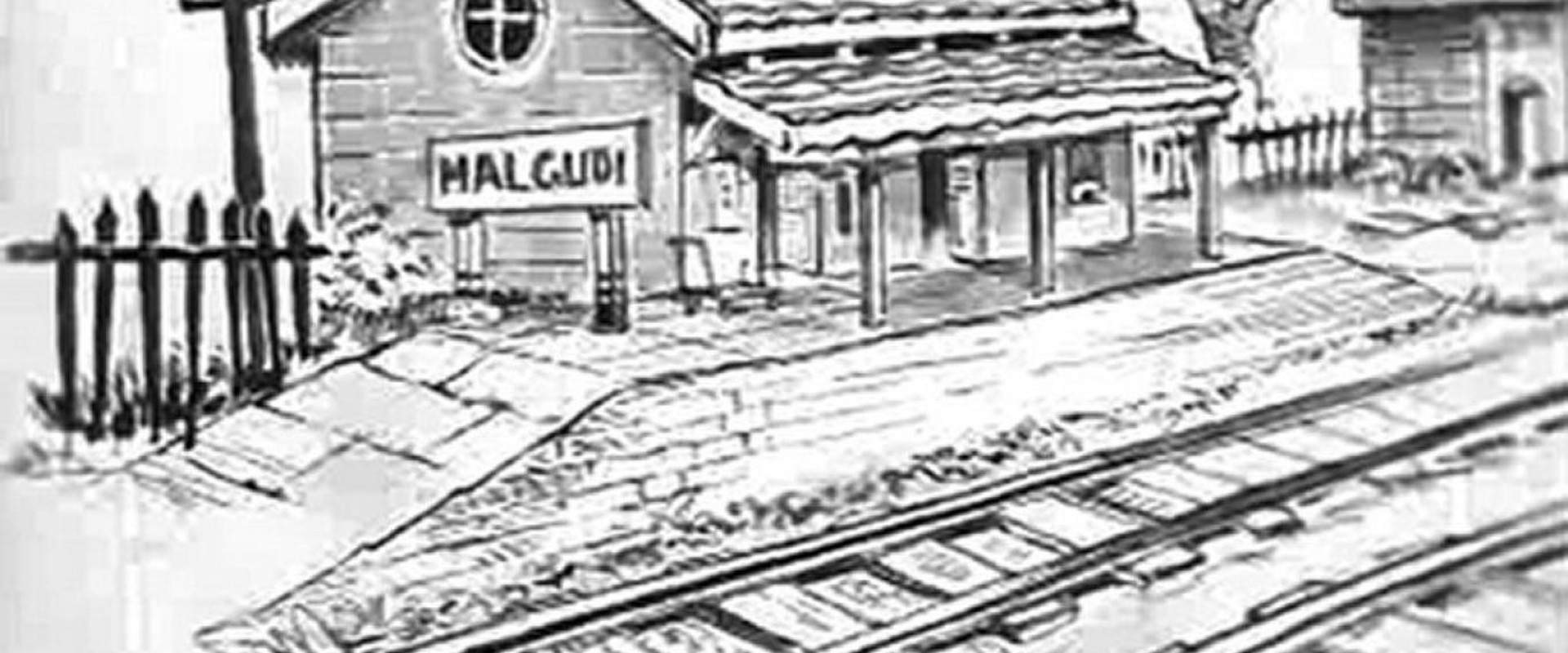
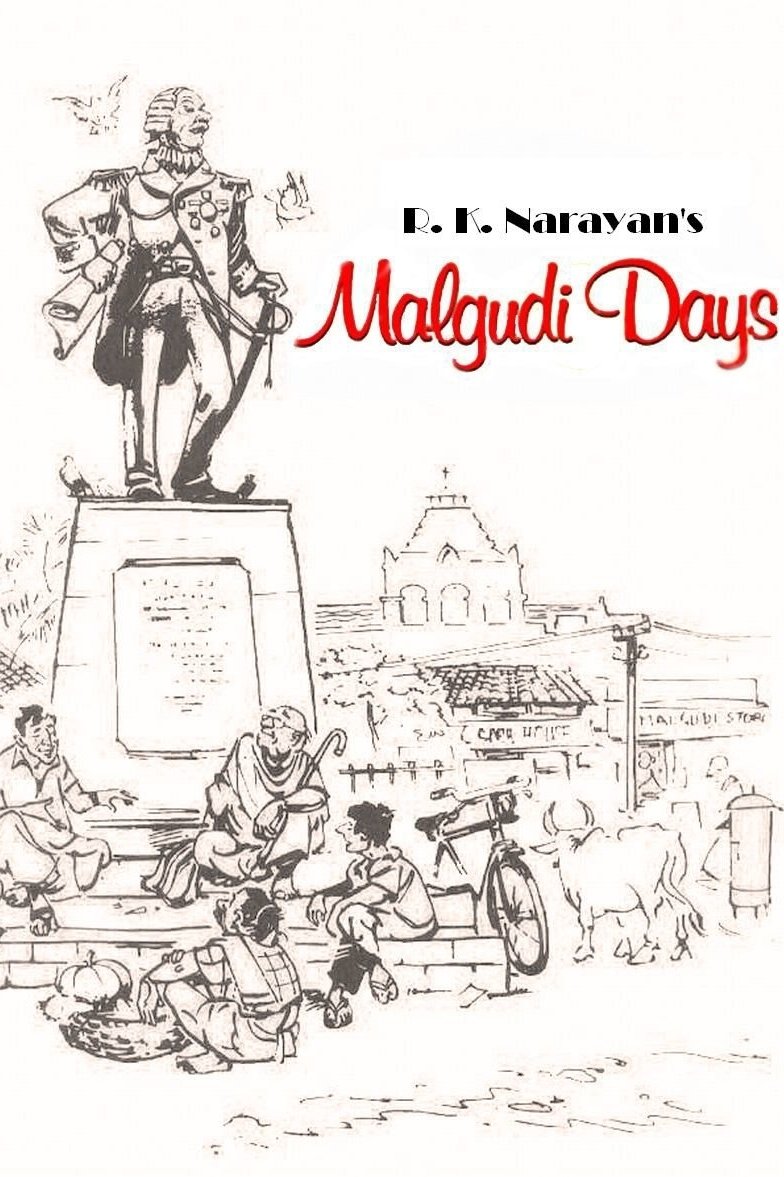
The reason this show holds an impossible 9.4 on IMDB isn't just nostalgia; it’s the pedigree. You’re looking at a rare alignment of Indian creative titans. R.K. Narayan provided the source material, but his brother, the legendary cartoonist R.K. Laxman, provided the sketches that open the episodes. When you see those charcoal lines blooming into the live-action world of Agumbe, it sets a specific tone. This isn't a "product" made by a committee; it feels like a handmade piece of art.
Shankar Nag, the director, chose to shoot entirely on location in Karnataka rather than on a dusty backlot. That decision is why the show still feels breathable today. You can almost smell the rain on the red earth. For a kid used to the hyper-saturated, neon-lit environments of modern animation, the organic textures of Malgudi—the stone steps, the heavy wooden doors, the actual sunlight—provide a much-needed visual rest.
Short Story Logic for Modern Brains
We often worry that older shows are too slow for kids raised on 15-second clips, but Malgudi Days has a secret weapon: the standalone format. Because most episodes are self-contained stories, they don't require the massive cognitive load of a 10-season lore-heavy epic.
If a kid isn't vibing with the school-day antics of Swami and Friends, you can jump to The Blind Dog or The Missing Mail. Each episode functions like a "short" they might find on YouTube, just with significantly more soul. It treats the problems of a child—a lost hoop, a forgotten homework assignment, a secret friendship—with the same gravity as a Shakespearean tragedy. That respect for the smallness of childhood is what keeps it relevant.
The "Real World" Comparison
If your kid is into the "slice of life" genre—think the quieter moments of Studio Ghibli films or the low-stakes neighborhood exploration of Bluey—this is the live-action ancestor. It’s a show about observation.
"The images that Narayan conjures up stay with the reader much longer."
The same is true for the show. It’s less about "what happens next" and more about "what is this person feeling?" It’s a masterclass in reading body language and social cues. In The Doctor’s Word, the tension isn't built through a ticking time bomb, but through the silence between two friends. Watching this with a kid is a great way to see if they can pick up on those subtle human shifts without a narrator explaining everything to them.
A Note on the 2004 Revival
While the bulk of the classic series was made in the late 80s, there was a revival in 2004 directed by Kavitha Lankesh. If you stumble upon episodes that look significantly sharper or have a different "feel," you’ve likely hit the newer batch. They’re fine, but they lack the specific, grainy magic of the Shankar Nag era. If you’re introducing this to a kid for the first time, start with the 1987 originals. The slightly fuzzy production value actually works in its favor, making the town of Malgudi feel like a half-remembered dream rather than a TV set.