Soderbergh's Take on the Gig Economy
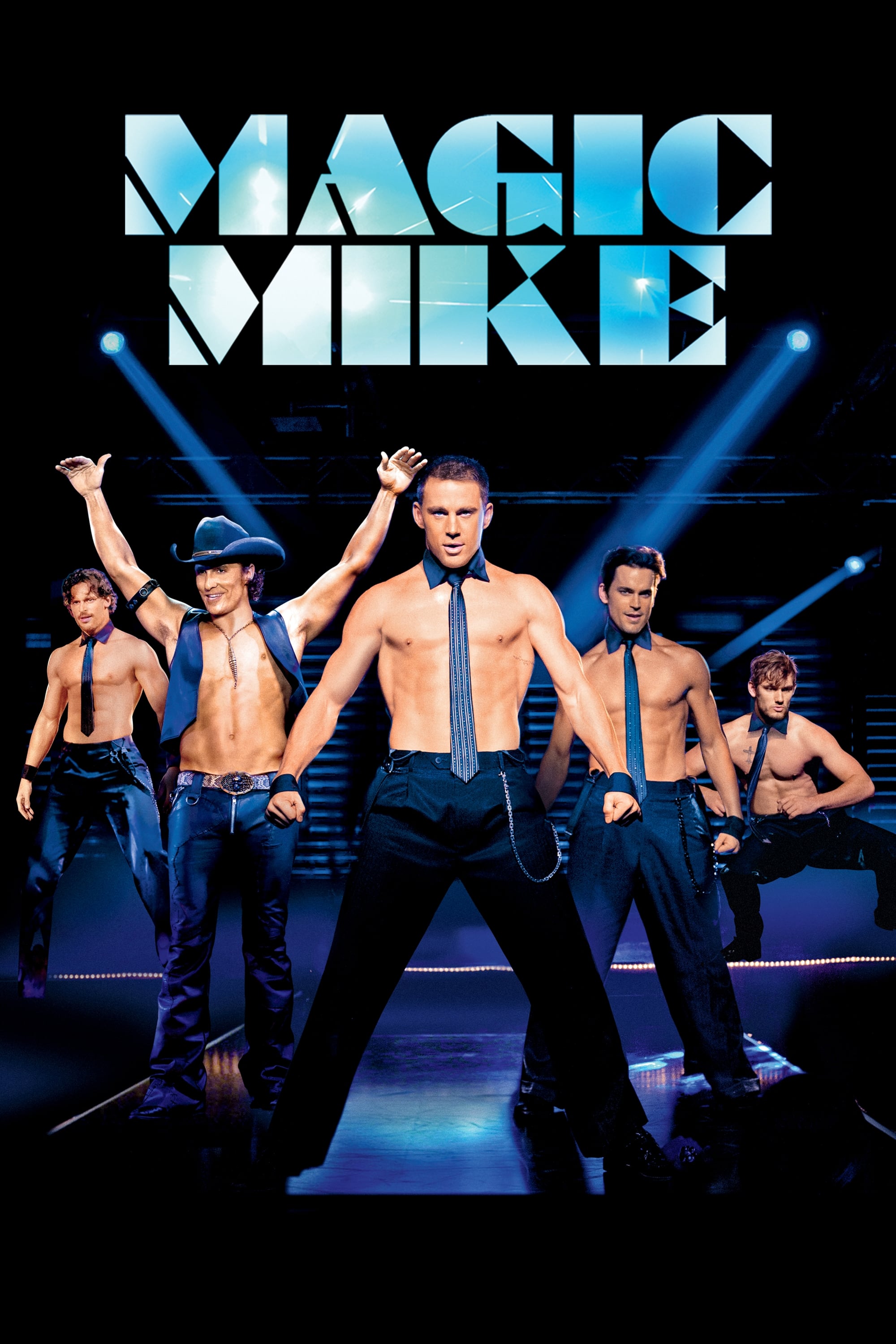
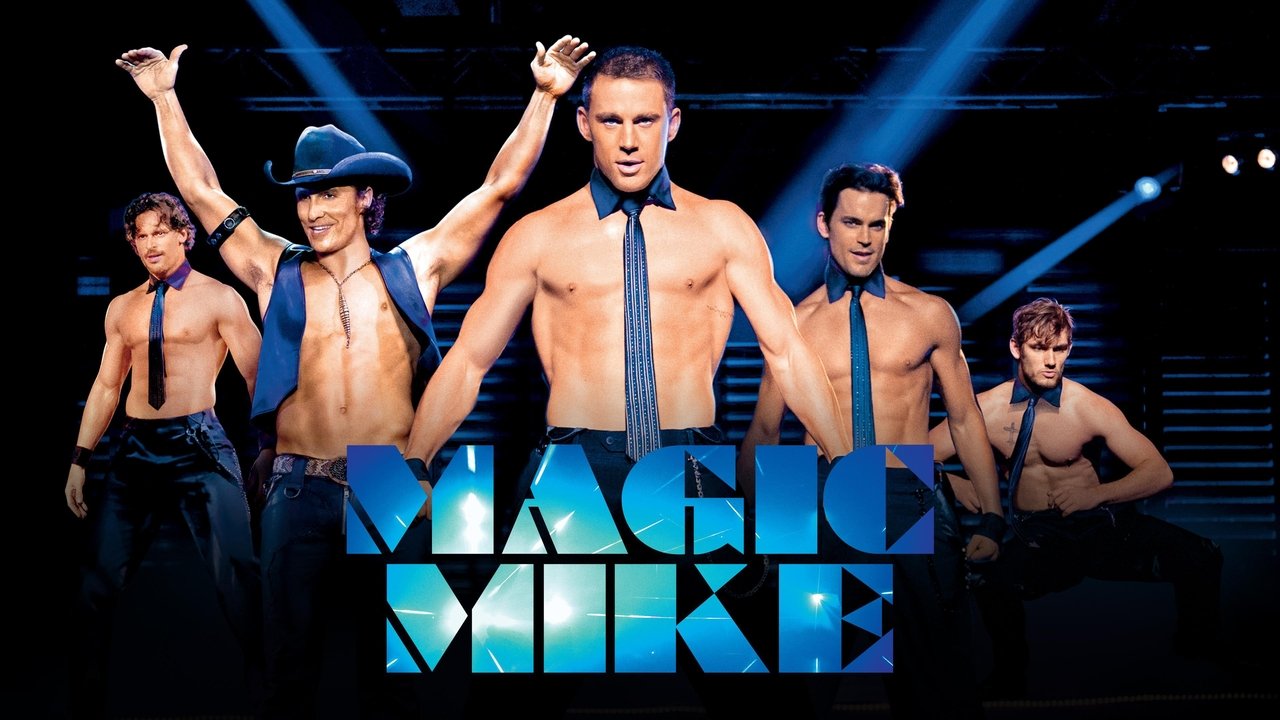
On paper, Magic Mike sounds like a late-night cable gimmick. In reality, director Steven Soderbergh used Channing Tatum's real-life backstory as a Tampa stripper to make one of the sharpest movies about post-2008 American hustle culture.
Mike (Tatum) isn't just a stripper; he's a roofing contractor, a detailer, and an aspiring custom furniture maker who can't get a bank loan because he operates entirely in cash. Stripping is just the gig that pays the bills, until he brings a 19-year-old newcomer called The Kid (Alex Pettyfer) into the crew and watches the party lifestyle curdle into drug debts and burnout.
Why It Works (and Who It's For)
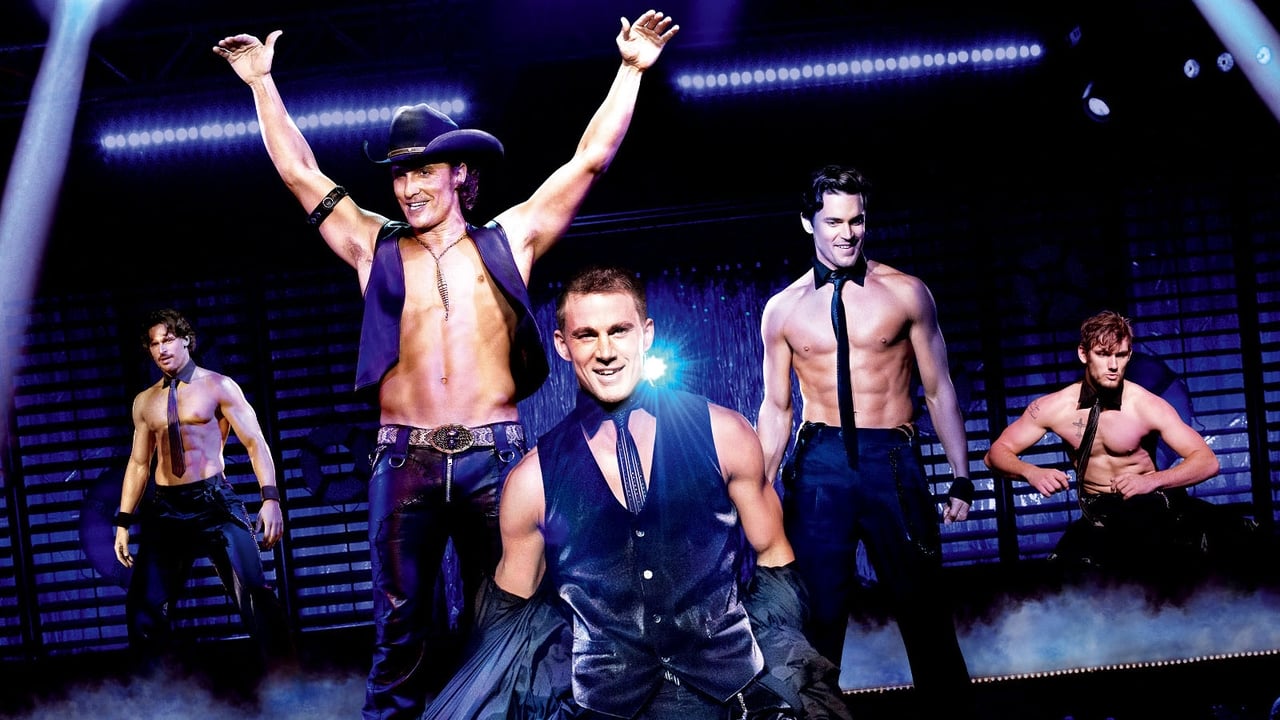
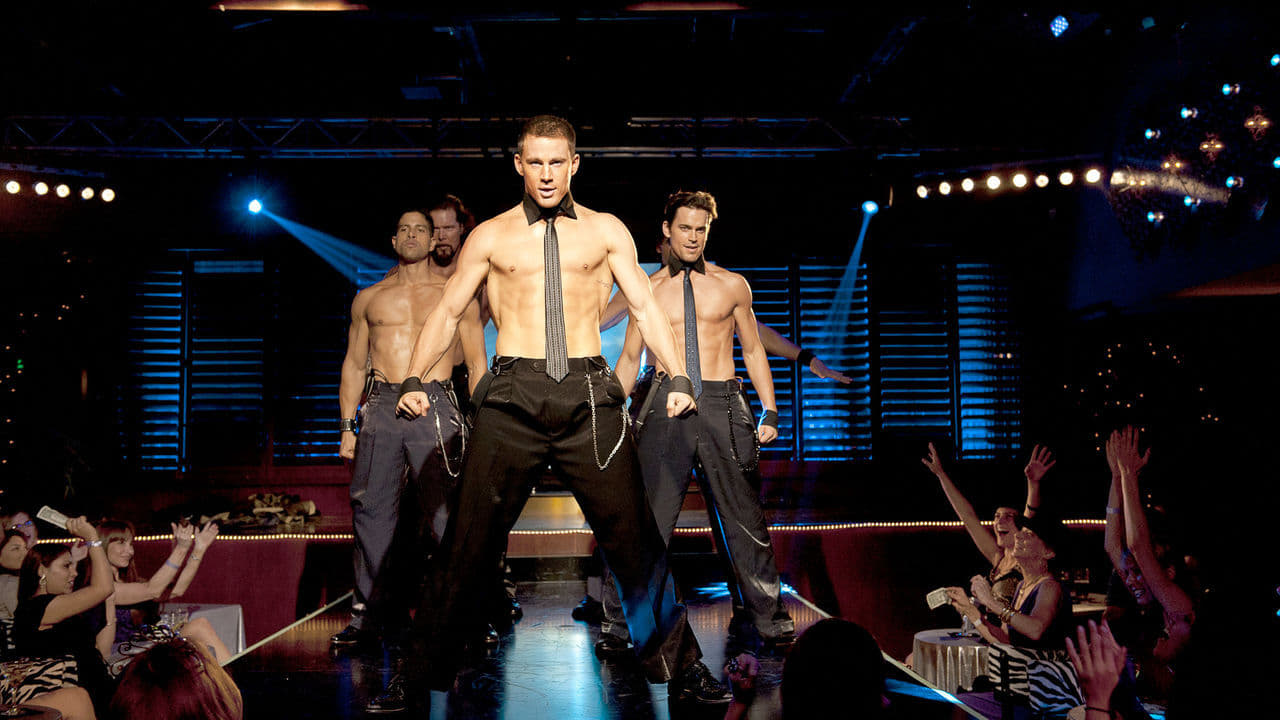
Matthew McConaughey turns in a memorable performance as Dallas, the mercenary club owner whose fake-empowerment speeches mask total exploitation. The choreography is top-tier, but the movie's real spine is its cynical look at money, capitalism, and how disposable nightlife workers are.
It is strictly adult territory—not a light family watch by any stretch—but if you have older high schoolers curious about film craft or complex antiheroes, it offers genuine substance beyond the thongs and body oil.