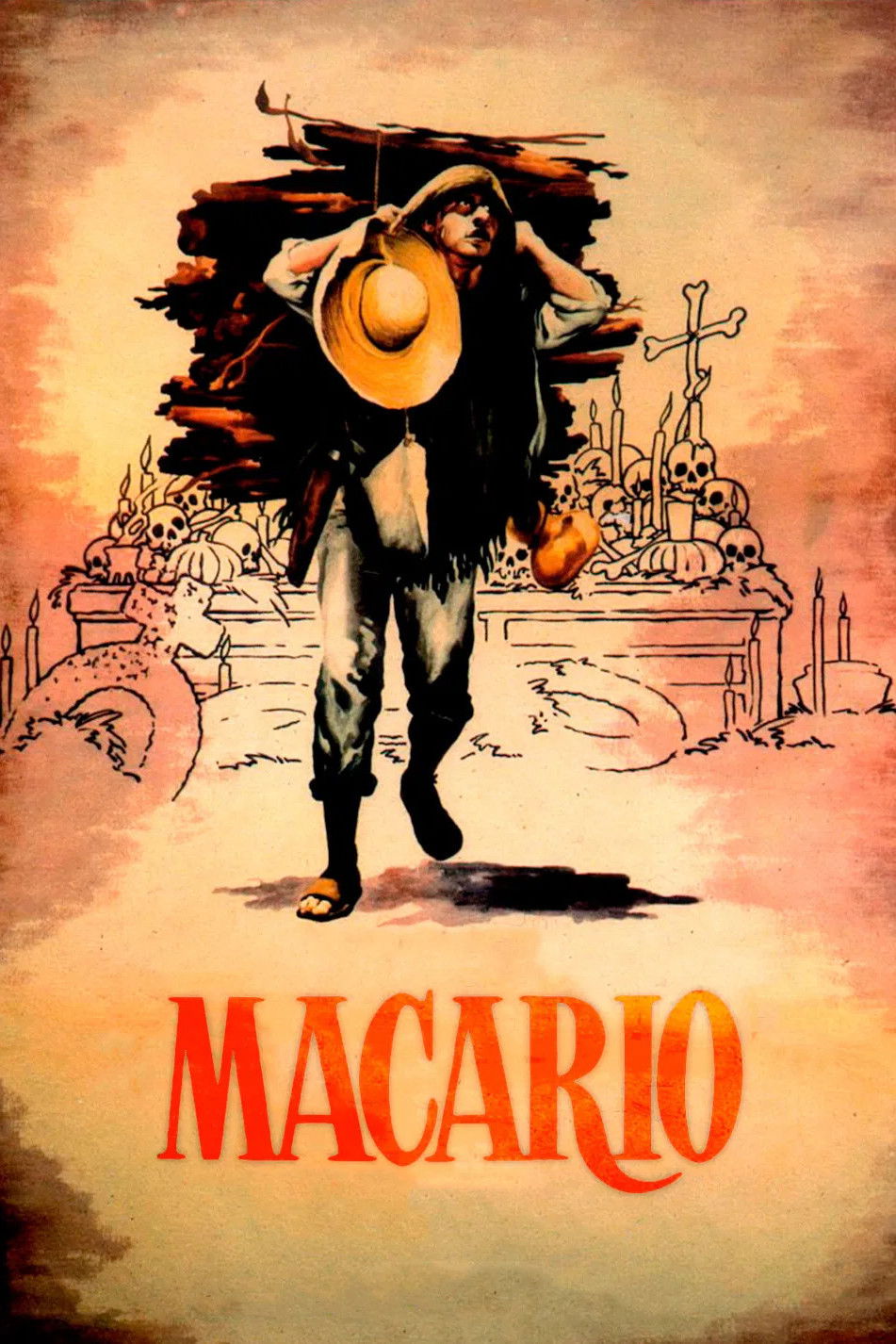
A Masterclass in Magical Realism
Before Guillermo del Toro was making monsters, Roberto Gavaldón was making Macario. This film is the bedrock of Mexican cinema's 'Golden Age,' and it holds up remarkably well because it doesn't rely on gimmicks. It relies on the face of Ignacio López Tarso, who plays Macario with a desperate, wide-eyed humanity that anyone who has ever been hungry can understand.
The Three Guests
The setup is classic folklore: a man makes a deal. But the 'deal' here isn't for power or fame; it's for a turkey. The sequence where Macario encounters three different versions of the divine in the forest is masterfully handled. He rejects the Devil because he's a swindler; he rejects God because God doesn't need to eat; he shares with Death because he knows that once Death starts eating, Macario has a few extra minutes of life. It's a cynical, brilliant bit of logic that sets the tone for the rest of the movie.
Figueroa’s Camera
You cannot talk about this movie without mentioning Gabriel Figueroa. The cinematography is legendary, particularly the 'Cave of Candles' sequence. It’s one of those cinematic images that stays with you for decades. If you’re trying to build visual literacy in your kids, show them this. It proves that you don't need a hundred million dollars in post-production to create a sense of awe.
Why Watch It Now?
In an era where 'Day of the Dead' has been somewhat commercialized and sanitized, Macario reminds us of the holiday's more somber, reflective roots. It’s a movie about the thin line between life and death, and how greed can corrupt even the most innocent intentions. It’s a perfect family watch for a rainy October night when you want something with more soul than a standard slasher flick.