The slow-burn appeal of the Outback
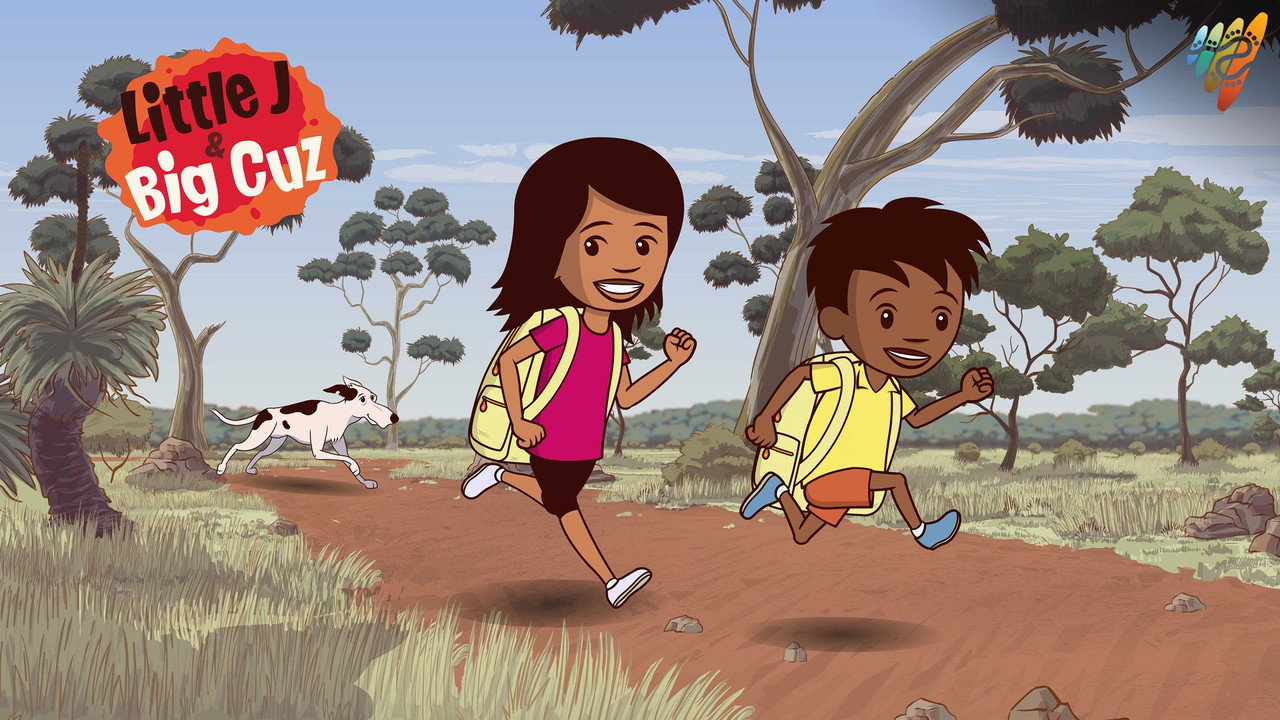
If your living room has been on a steady diet of high-octane, loud-budget American or British imports, the first thing you’ll notice about Little J and Big Cuz is the silence. Not actual silence—the show has a great score and plenty of chatter—but a lack of frantic energy. It’s a show that isn't afraid to let a character think for five seconds before they speak.
For kids in the "bridge" years—that awkward gap between being a toddler and a full-blown primary schooler—this pacing is a gift. While many shows for this age group rely on slapstick or constant peril to keep kids glued, this one relies on curiosity. Whether they’re tracking a lizard or figuring out how to handle a misunderstanding in Ms. Chen’s classroom, the stakes are perfectly sized for a five-year-old’s world. It’s grounded in a way that makes the everyday feel significant.
More than just a "school" show
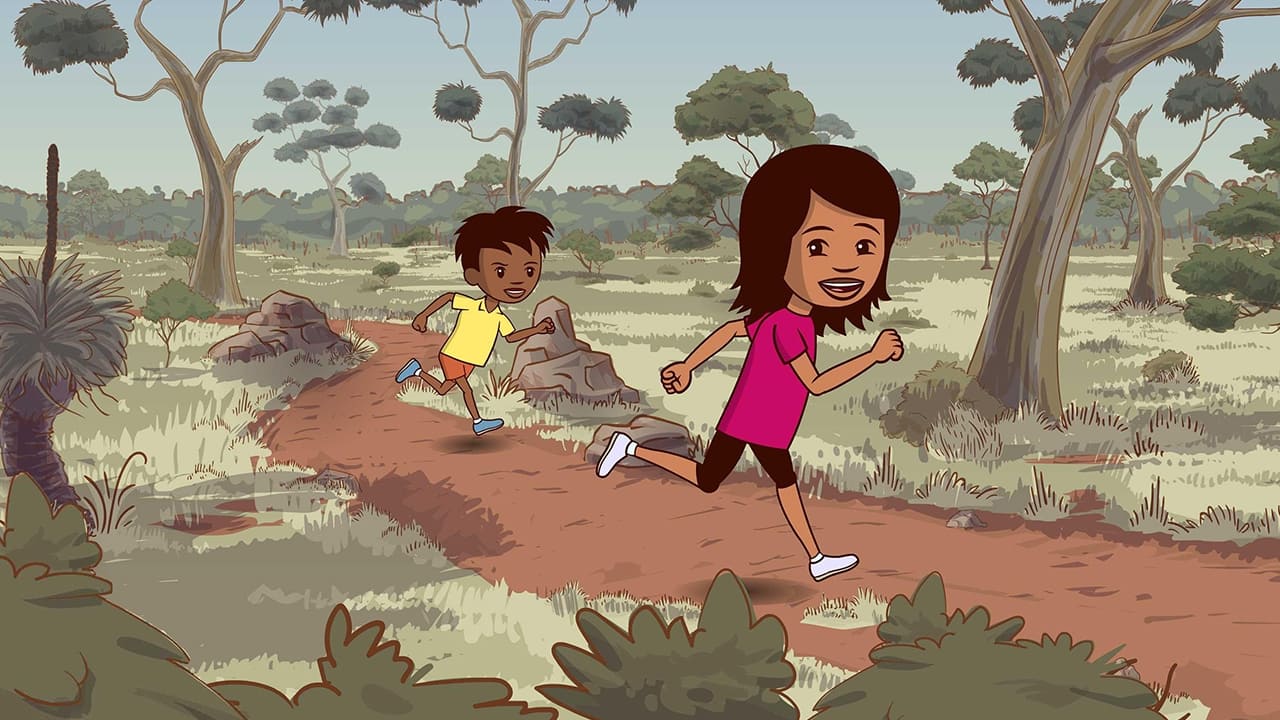
While the series was designed with school transitions in mind, it avoids the "educational" trap where characters turn to the camera and explain a concept. Instead, the learning is baked into the environment. You see it in the way Big Cuz navigates her responsibility as the older sibling and how Little J processes Nanna’s stories about Country.
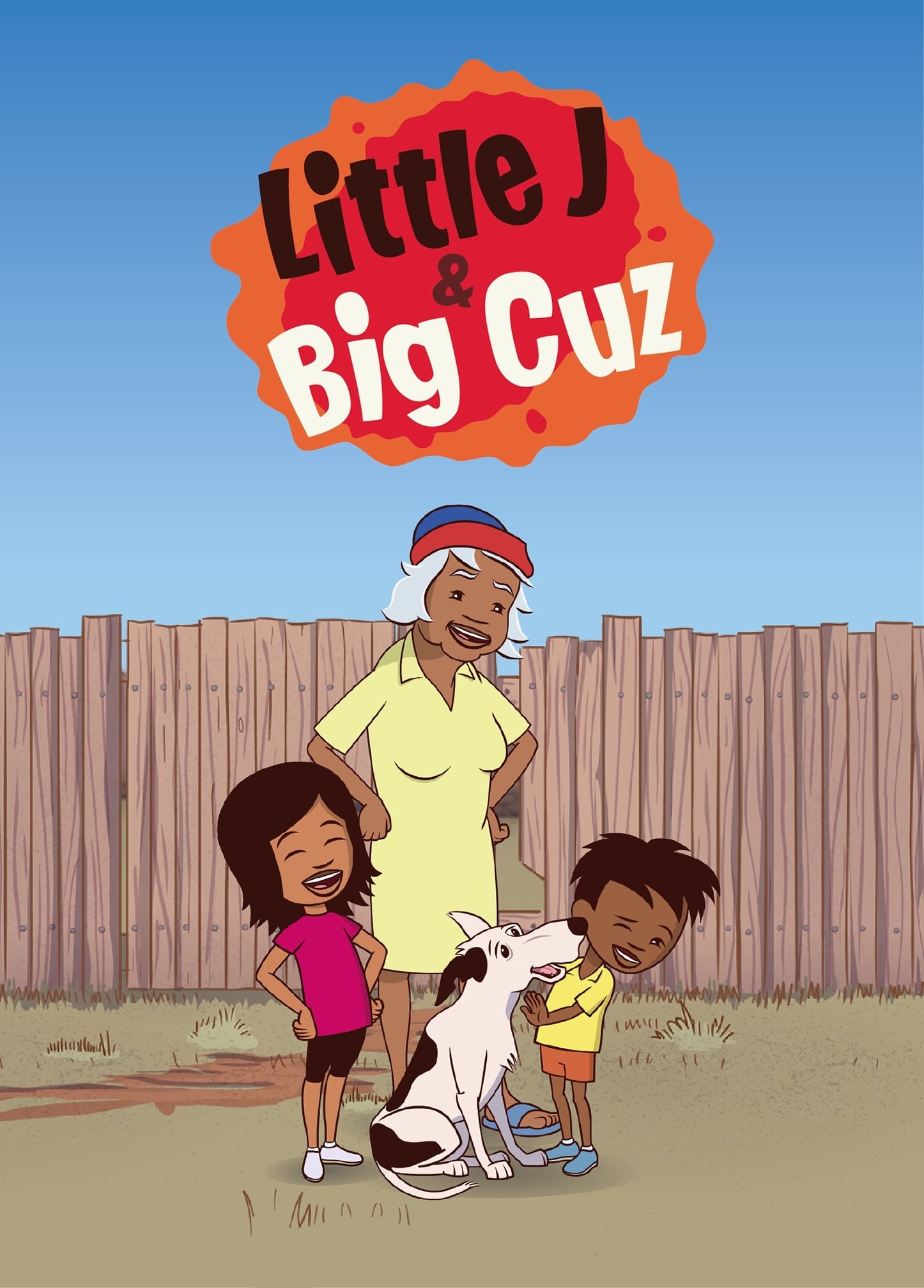
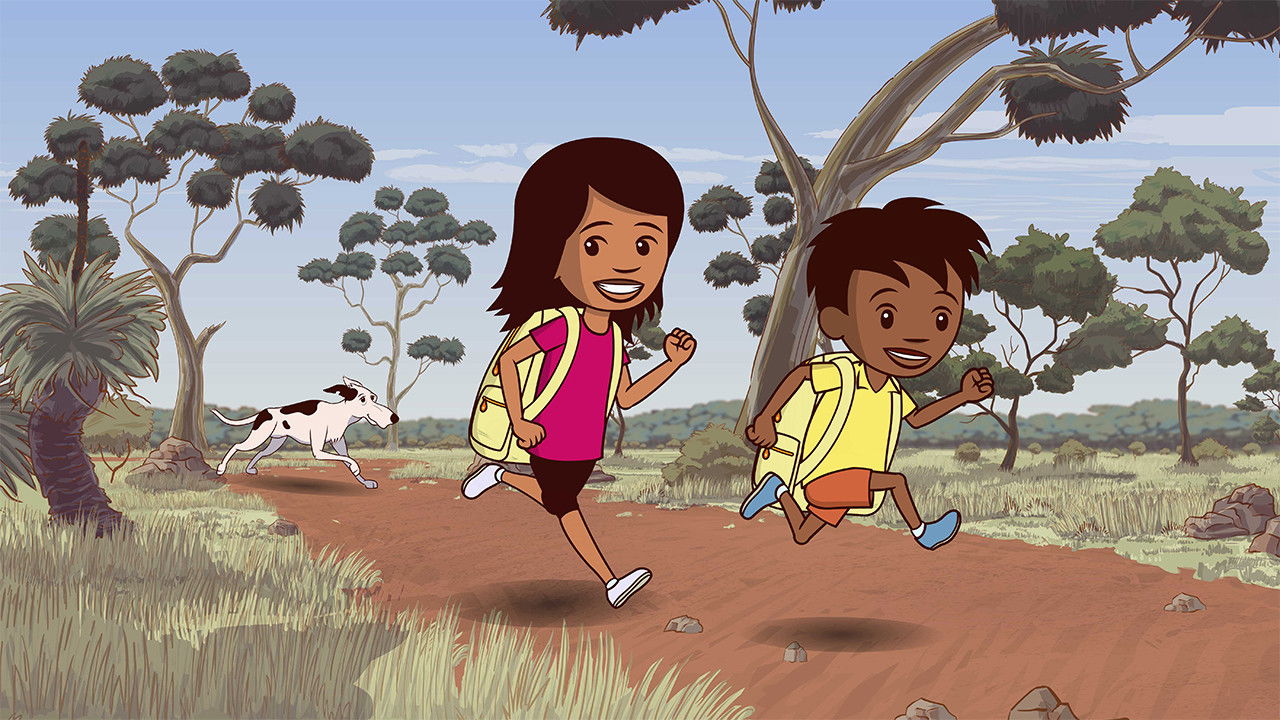
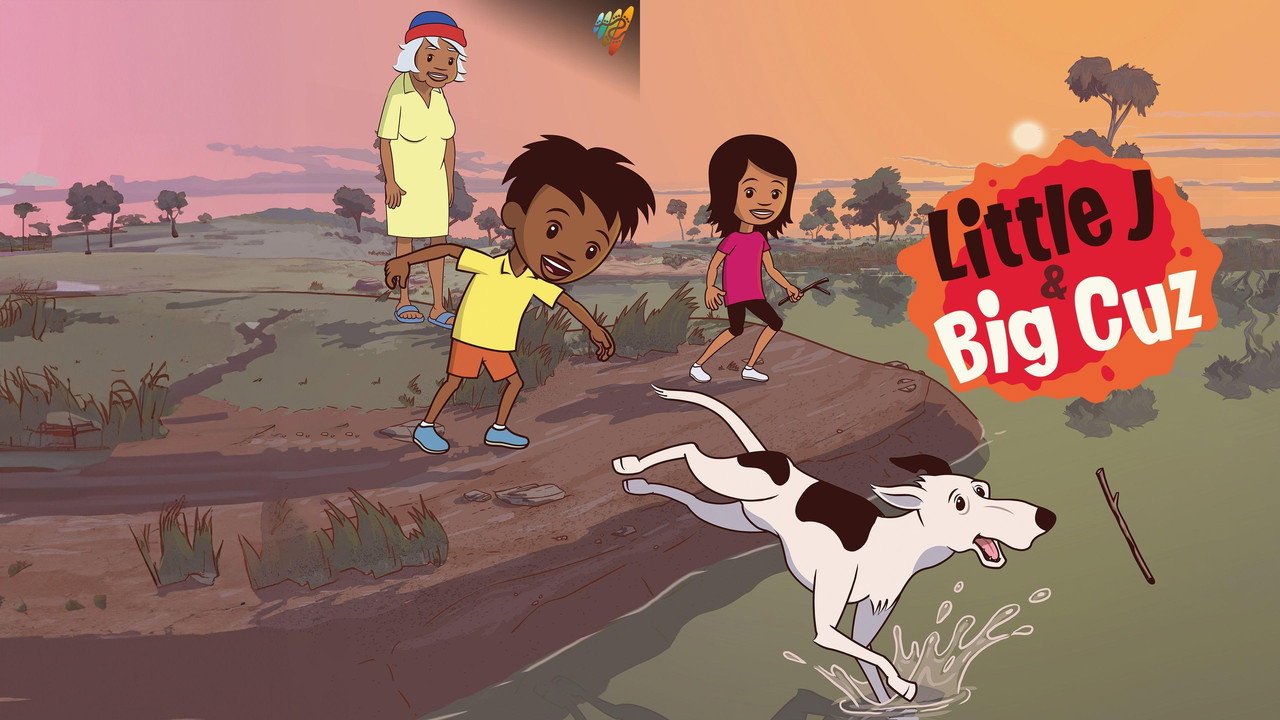
It’s the first Australian animated show to center Indigenous characters in this way, and that matters for the authenticity of the world-building. You aren't watching a generic suburb that could be anywhere. You’re watching a specific place with specific traditions, from the way they interact with Old Dog to the way the community celebrates their heritage. For kids who don't live in Australia, it’s a vivid window into a different way of life that feels lived-in rather than lectured.
The Bluey connection
It’s impossible to talk about modern Australian animation without mentioning Bluey, and if your household is already a fan of the Heeler family, Little J and Big Cuz is the logical next step. If Bluey is about the imaginative play that happens within the family bubble, Little J is about what happens when that bubble meets the outside world.
It shares that same DNA of "kindness without being sappy," but it shifts the focus toward the community and the classroom. If your kid is starting to ask more questions about "big school" or is showing interest in nature and tracking, this is the show to put on. It’s less about the parents' perspective on play and more about the kids' perspective on discovery.
Why Nanna is the secret weapon
Every great kids' show needs a grounded adult figure, and Nanna is one of the best in recent memory. She isn't a bumbling parent or a background extra; she’s the anchor. Her relationship with the kids is built on respect and ancient wisdom, but she’s also quick with a joke.
The show treats the intergenerational bond as the most natural thing in the world. Watching Little J look to Nanna for guidance provides a great template for kids to understand that the adults in their lives are a resource, not just the people who tell them to brush their teeth. It’s a warmth that’s hard to fake, and it’s why the show has maintained an 8.3 on IMDb over multiple seasons.