The 'Can't Pause' Conundrum
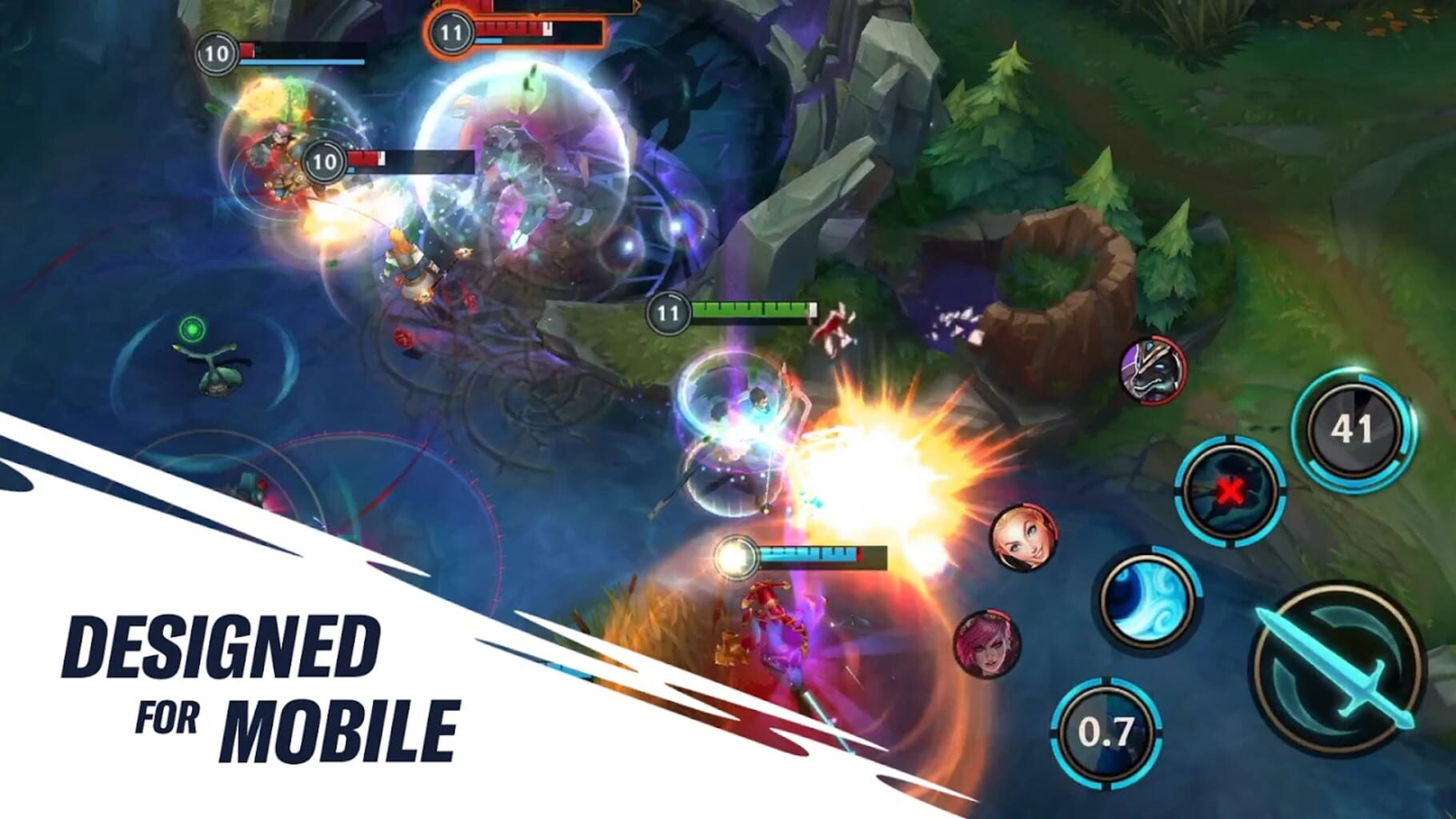
If you take one thing away from this, let it be this: a match of Wild Rift is a social contract. When a player starts a 5v5 match, they are committing to 15-20 minutes of uninterrupted focus. If they drop out because you told them to empty the dishwasher, their four teammates are left at a massive disadvantage, and the game's automated systems will likely penalize your kid's account.
This is the primary source of friction between parents and players. The best way to handle this isn't to fight it, but to treat it like a soccer practice. Ask "how much time is left in your match?" instead of "turn that off right now."
The Toxicity Tax
League of Legends has spent a decade trying to fix its reputation for being the most toxic place on the internet. Wild Rift is better, mostly because typing on a phone is harder than on a keyboard, but the 'ping' system (automated shouts like "Danger!" or "On my way!") can still be used to harass players.
If your kid is prone to 'tilt'—that specific brand of gaming rage where one mistake ruins their whole mood—this game will find that button and press it repeatedly. It’s a great environment to teach emotional regulation, but only if you're actually paying attention to their mood after they put the phone down.
Is it actually Free?
Yes, but with an asterisk. You cannot buy an advantage. A player who spends $0 has the exact same stats as a player who spends $1,000. However, Riot Games are masters of the 'Battle Pass' and 'Limited Edition Skin' FOMO. They make their money by making the characters look incredibly cool, and in a social game, 'looking cool' is a high-value currency for teenagers.