Where It Sits in the Western Canon
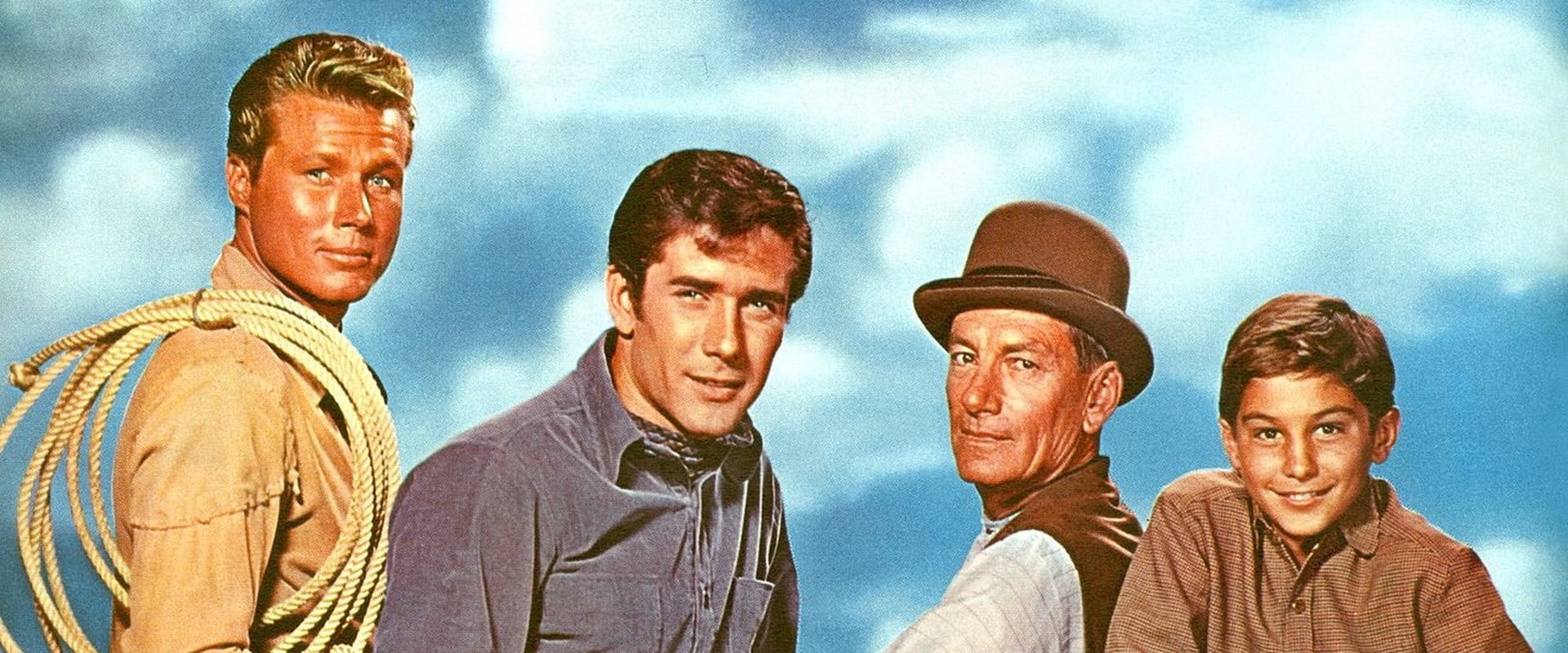
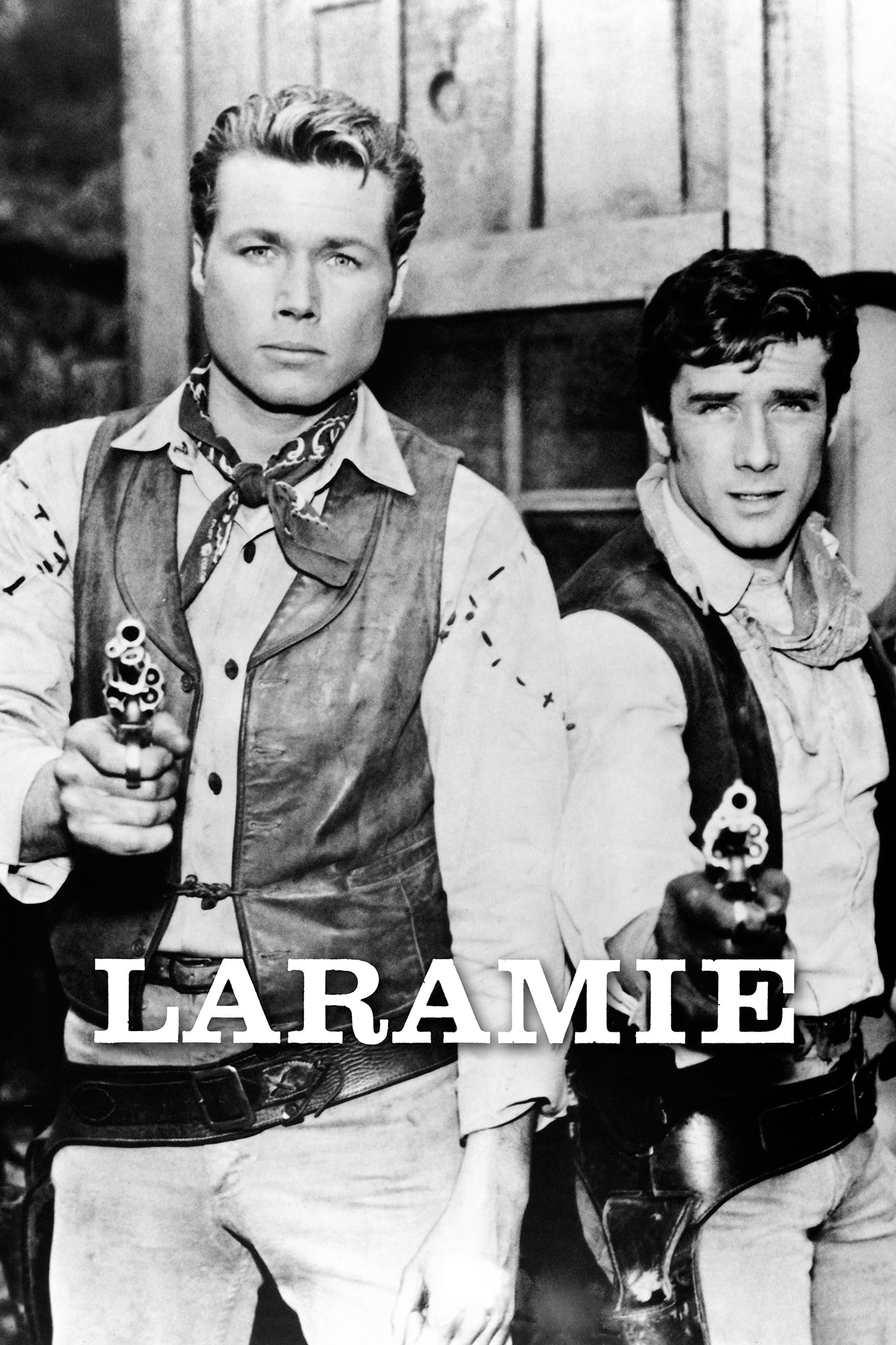
When NBC debuted Laramie in 1959, American living rooms were drowning in Westerns. Shows like Gunsmoke, Bonanza, and Rawhide dominated the ratings. Laramie carved out its niche by shrinking the scale: instead of a vast cattle empire or a town marshal's office, the action centers on a modest ranch acting as a stagecoach relay depot outside Laramie, Wyoming.
The anchor of the series is the friction between Slim Sherman, trying to raise his younger brother Andy after their father was killed by a land grabber, and Jess Harper, a drifter with a lethal draw and an itchy conscience. That balance keeps the show from descending into pure wholesome syrup. When the scripts work, they treat frontier survival as hard labor interrupted by moral tests.
How to Watch It Today
If you want to test whether a modern kid can stomach 1959 television, start with the third season when the series switched to full color. The transition gives the Wyoming landscapes room to breathe, even when the outdoor locations are obviously Southern California ranches standing in for the high plains.
Talk openly about the mid-century writing room. Like almost every television show of its decade, Laramie treats historical westward expansion with romanticized simplifications, and guest roles depicting indigenous people or border conflicts reflect 1950s television formulas rather than genuine history.