The absurd reality of living on a front line
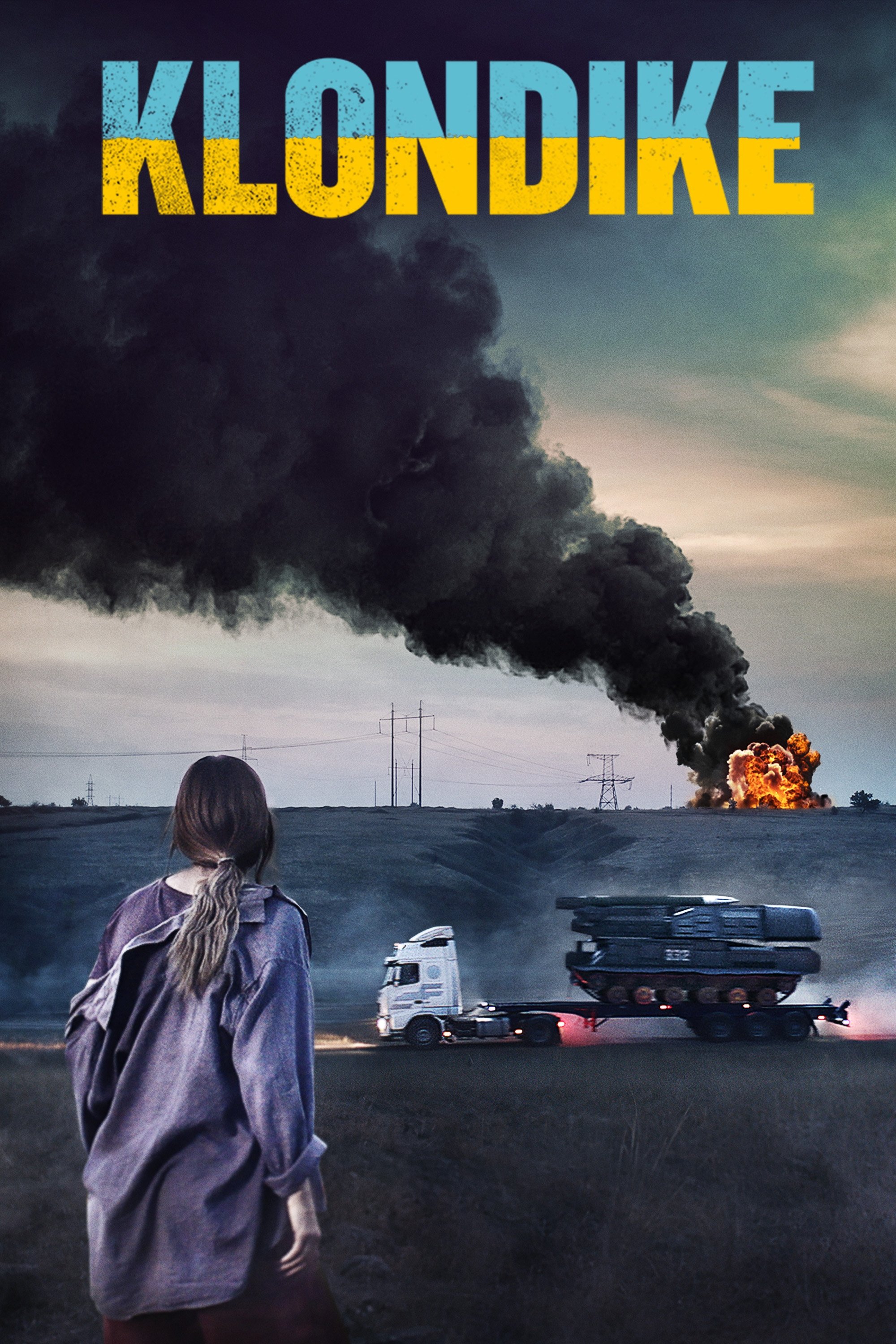
Most war films frame combat around tactical objectives, frontline soldiers, or clean moral narratives. Klondike rejects all of that. It anchors its lens inside a half-destroyed farmhouse where the primary daily conflict is whether to patch the blown-out wall, slaughter the remaining livestock, or figure out why the family car was stolen by local separatists.
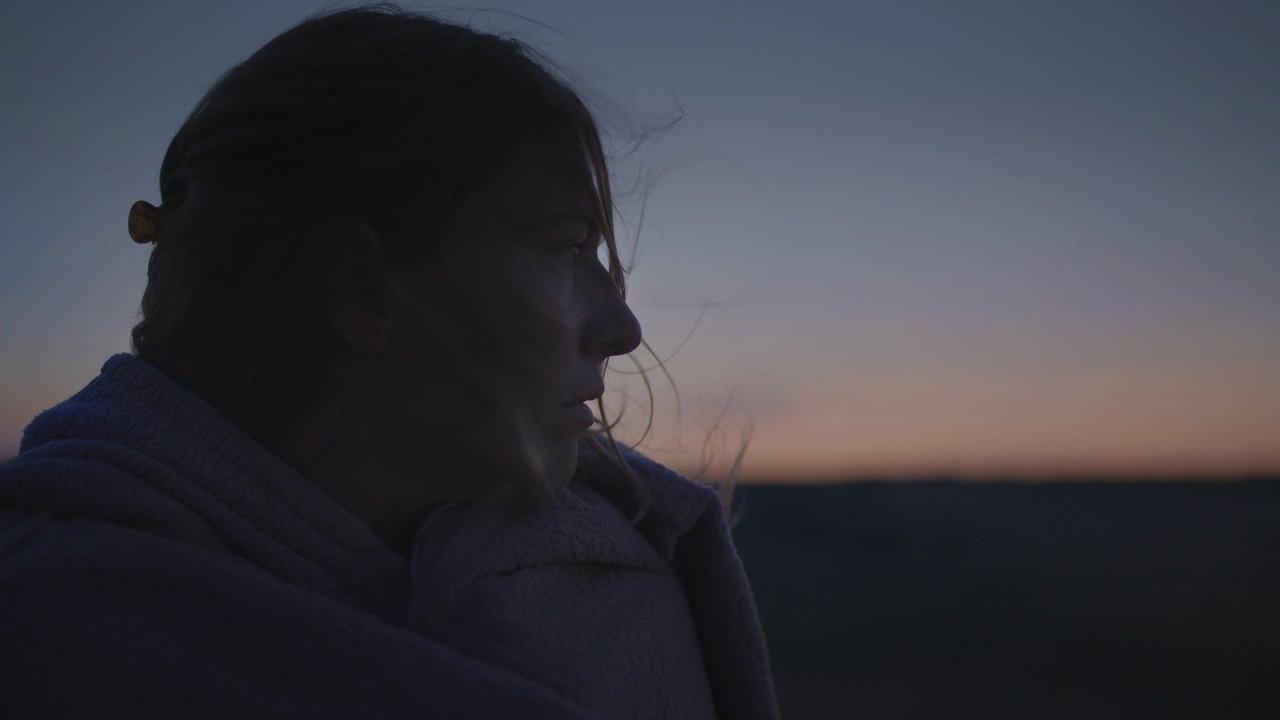
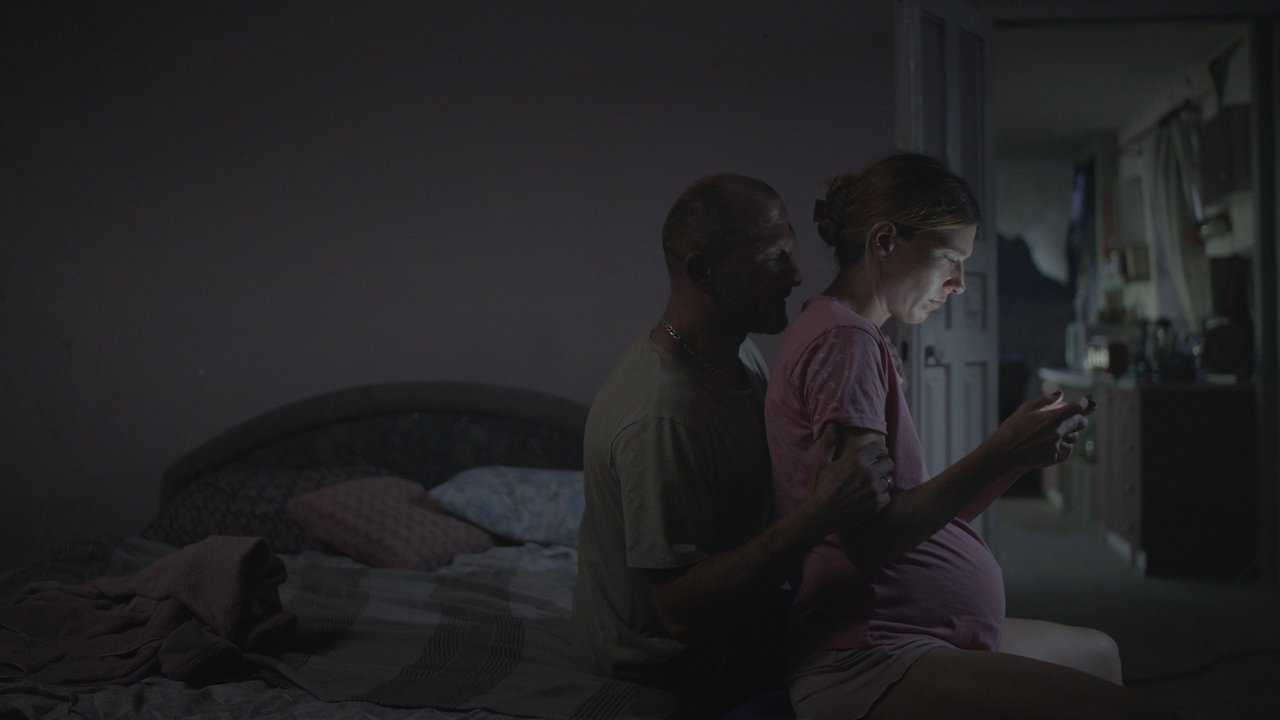
Oxana Cherkashyna's performance as Irka carries the entire film. Heavily pregnant, exhausted, and furious, she refuses to let geopolitical madness upend her domestic routine. Her husband Tolik quietly tries to appease pro-Russian separatist acquaintances to stay alive, while her brother Yaryk arrives convinced that Tolik is a traitor. The family tension alone is thick enough to choke on before an international passenger airliner is blown out of the sky directly above them.
The MH17 disaster through a civilian lens
When Malaysia Airlines Flight 17 was shot down on July 17, 2014, killing all 298 civilians aboard, the world saw satellite imagery, diplomatic denials, and forensic investigations. Klondike shows what it looked like from the ground: debris tumbling into farm pastures, confused locals sorting through foreign luggage, and armed militiamen scrambling to hide evidence while blaming everyone else.
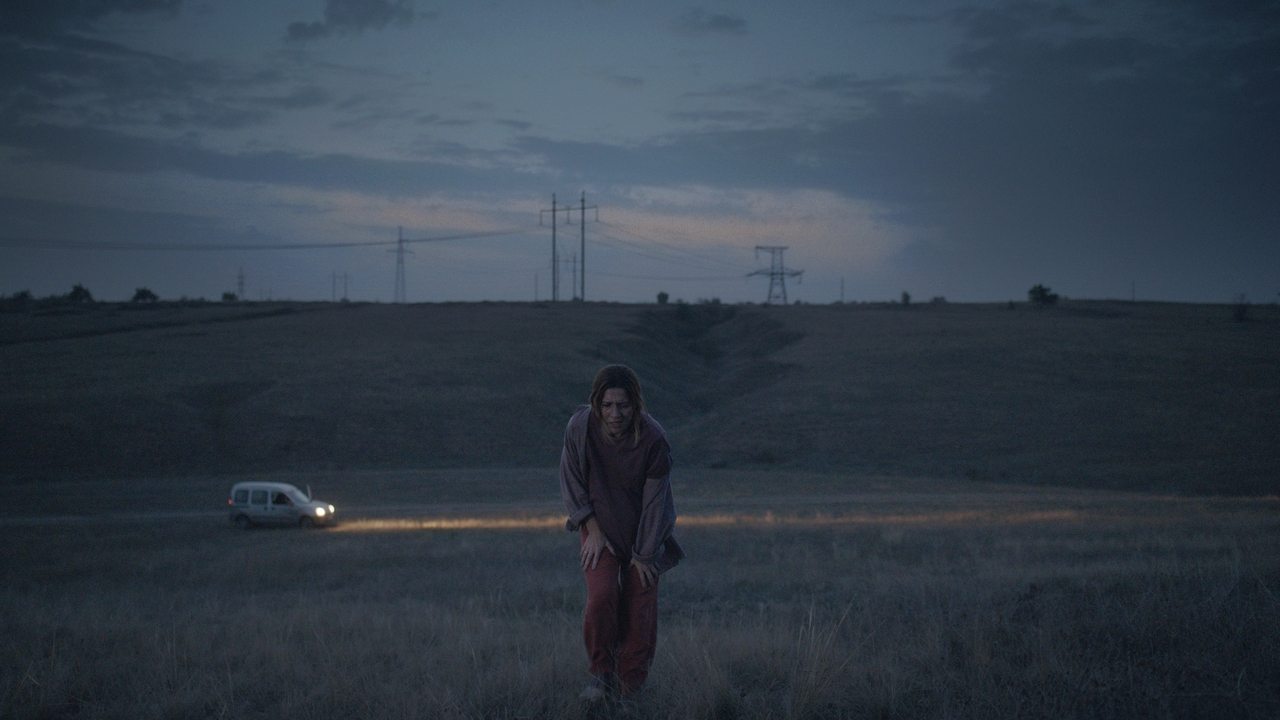
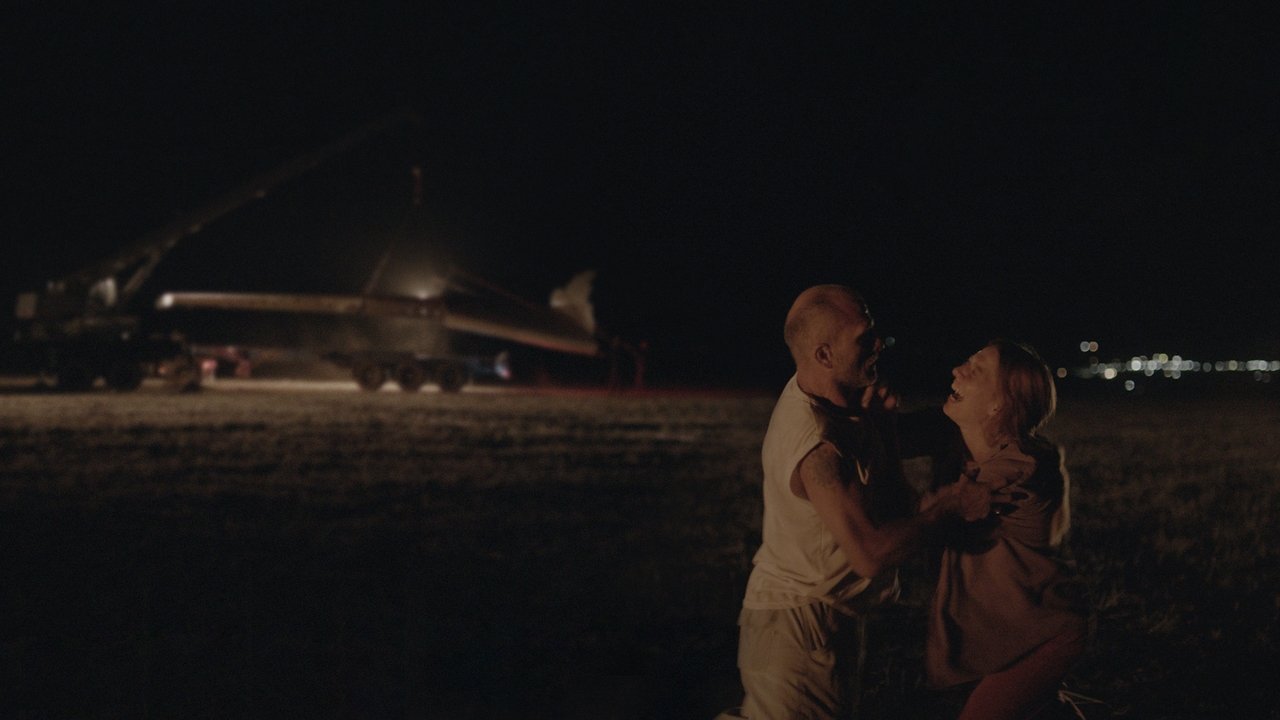
The visual approach makes this uniquely grueling. Er Gorbach avoids conventional close-ups during moments of violence. Instead, the camera slowly rotates on a fixed axis, surveying the desolate landscape. You watch characters argue on a porch, slowly pan across a valley to spot armed trucks approaching in the distance, and complete the circle back to the house. The viewer registers the threat before the characters do.
This is essential cinema for anyone seeking to understand the seeds of the full-scale 2022 invasion of Ukraine, but the climax is relentlessly violent and emotionally punishing. Treat it like a serious historical document, not casual weekend entertainment.