The Slower, Meaner Half of the Epic
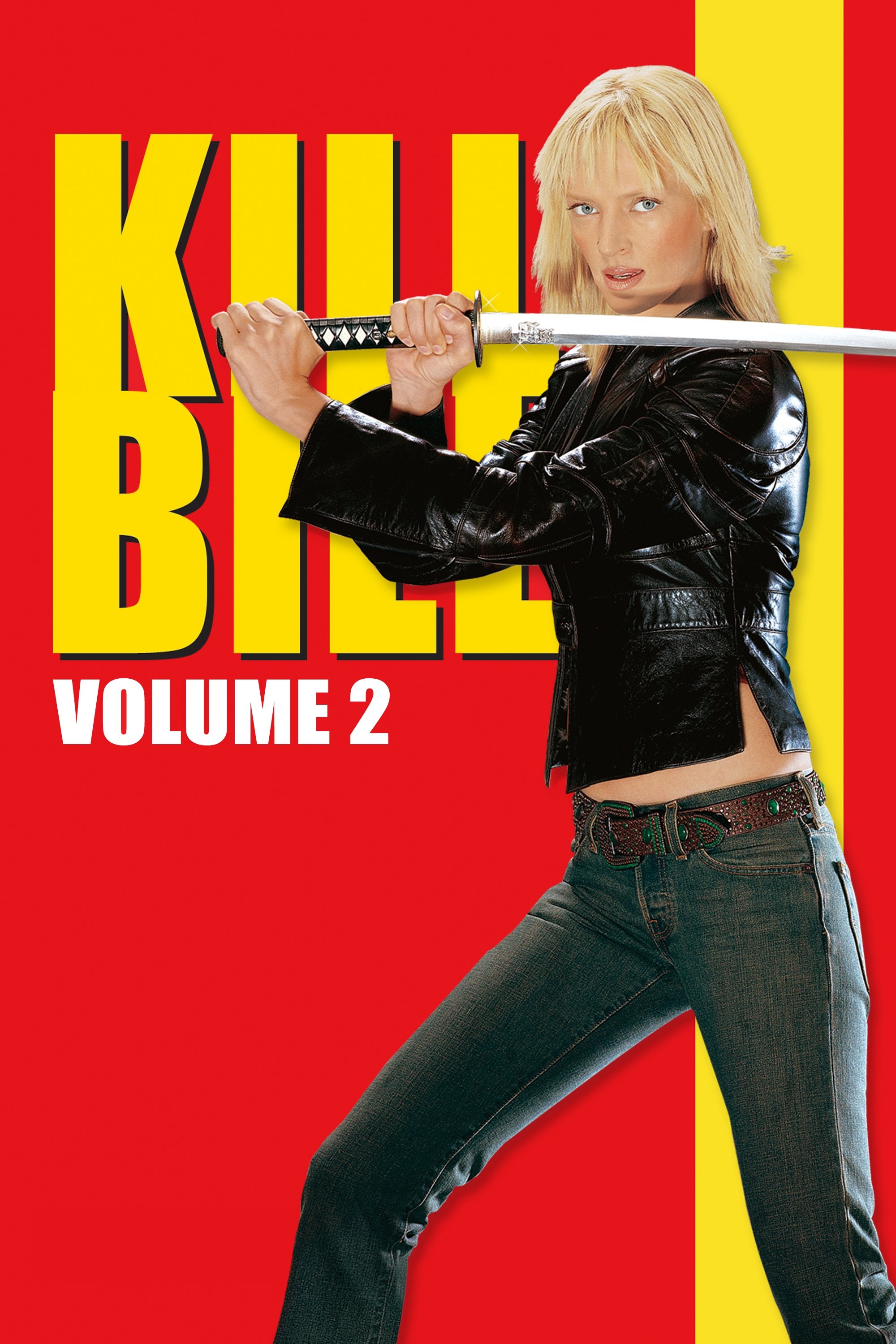
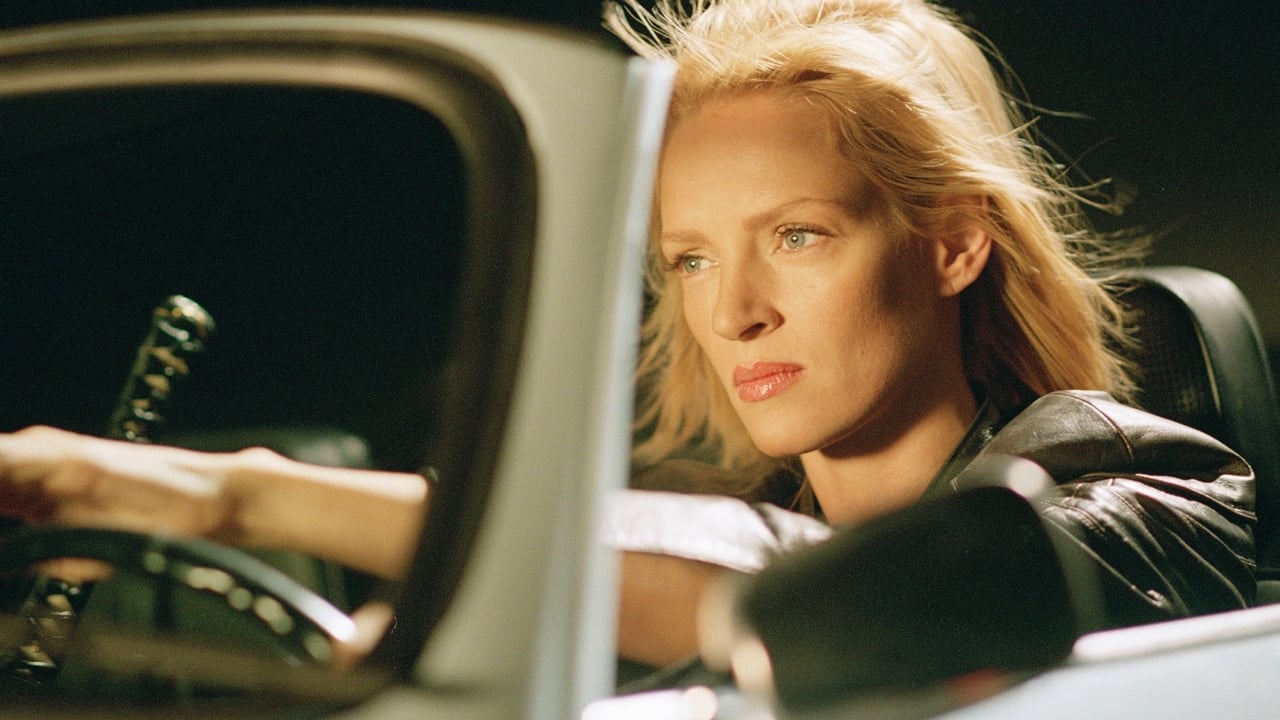
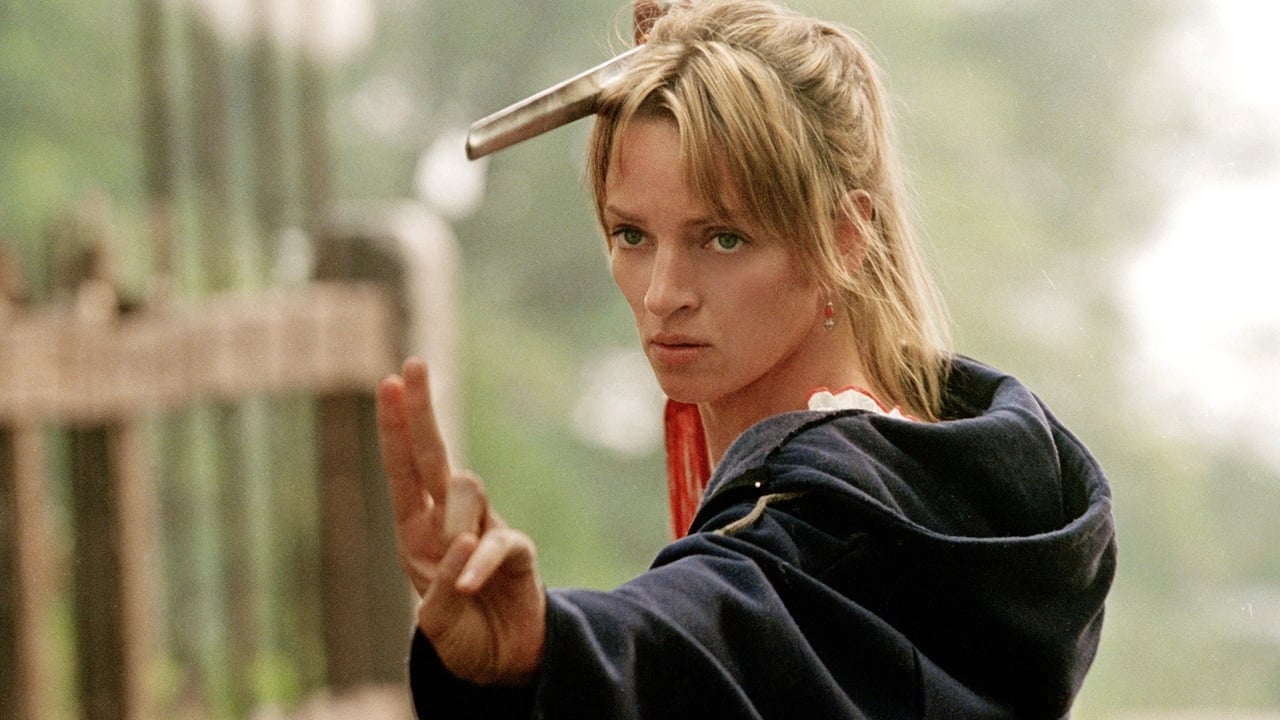
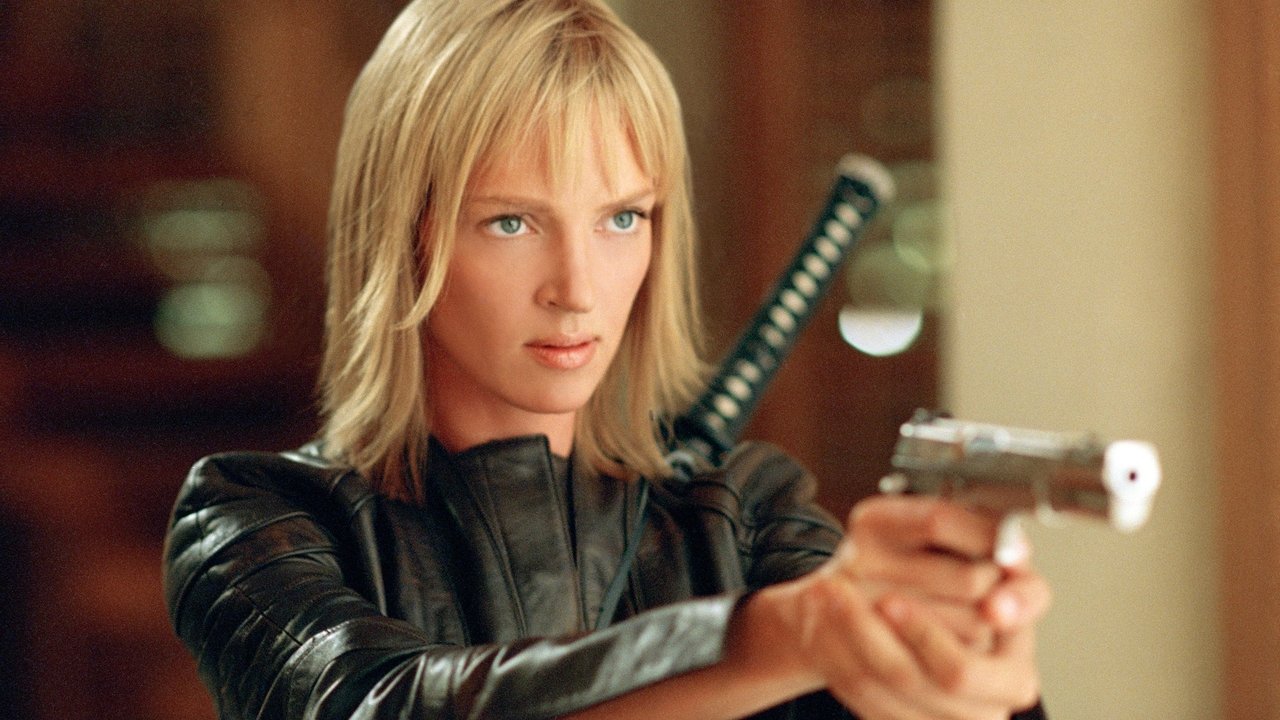
When Quentin Tarantino split his four-hour revenge epic into two installments, he accidentally created two distinct cinematic experiences. Volume 1 belongs to Japanese action cinema: kinetic, neon, and spraying gallons of cartoonish stage blood. Volume 2 belongs to Sergio Leone and Gordon Liu. It slows the heart rate down, moves into the barren Texas heat, and forces the Bride to reckon with the actual human beings on her hit list.
Why the Shift Matters for Older Teens
If you have a high schooler dipping their toes into classic modern cinema, Volume 2 offers something rare: patience. The action scenes are sparse, brutal, and intimate. When the Bride fights Elle Driver inside a cramped camper trailer, there are no flying wirework stunts or graceful pirouettes. It is an ugly, desperate roll in the dirt that involves spittoons, bathroom tiles, and broken wood.
That grounded grit makes the psychological stakes far more effective. The centerpiece isn't a duel; it is an agonizing twenty minutes where Budd shoots Beatrix in the chest with rock salt, nails her into a cheap wooden box, and drops her six feet underground. For viewers sensitive to claustrophobia, it is easily the most harrowing scene across both films.
The Final Living Room Standoff
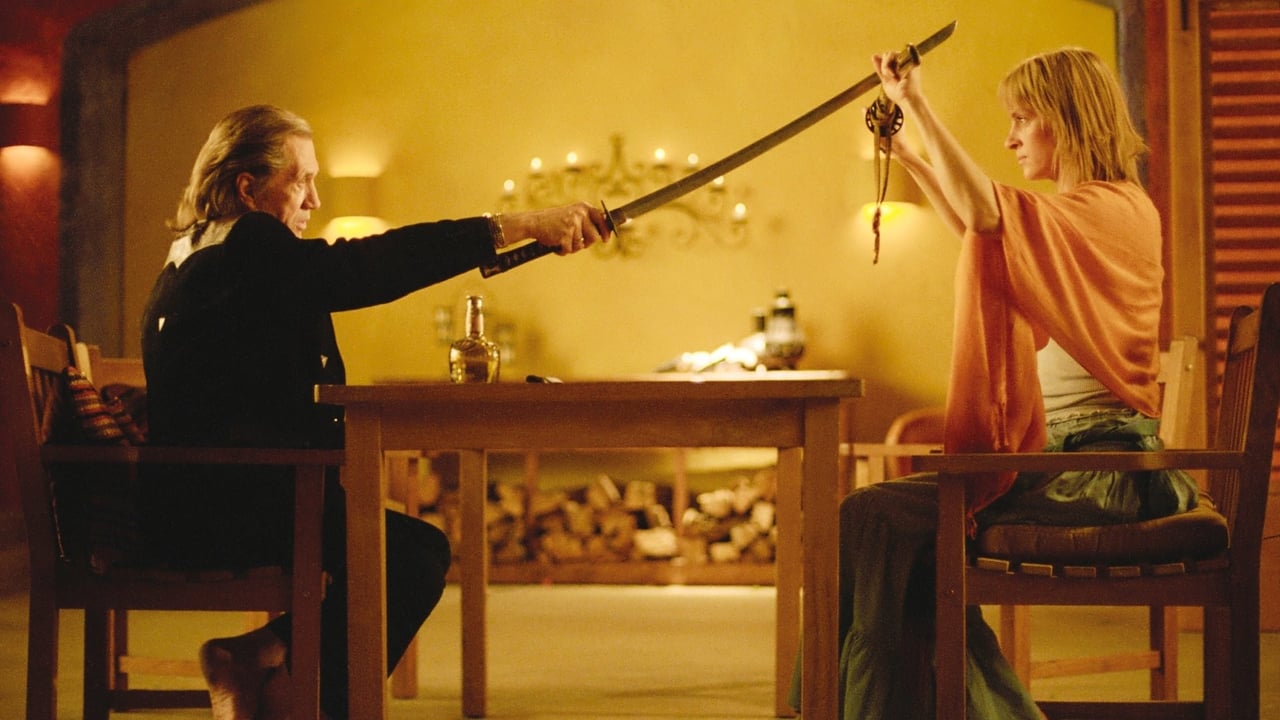
The third act subverts almost every traditional action climax. Instead of a blazing showdown, Beatrix finds Bill playing mother to the four-year-old daughter she thought she lost. The movie turns into a surreal domestic debate over responsibility, instinct, and whether a trained killer can ever genuinely choose ordinary life.
It is sharp, morally murky, and anchored by great performances. If you are deciding whether your teenager is ready, the violence here is less frequent than in Volume 1, but it feels heavier because the victims have faces, histories, and voices.