The "Bridge" Show
Most preschool programming falls into one of two buckets: the hyper-repetitive "shout at the screen" variety or the high-gloss, merchandise-driven toy commercials. Justin Time sits in a comfortable middle ground. It’s a bridge show. It takes the simple problem-solving structure of a toddler program and applies it to a world that feels much bigger.
Because the show uses history and geography as a backdrop, it escapes the claustrophobic feeling of a playroom. One episode is in the Viking age, the next is in ancient Egypt. It gives kids a sense of scale without the stakes ever feeling too high. If your kid has outgrown the extreme simplicity of Bluey but isn't quite ready for the fast-talking snark of older sibling cartoons, this is the transition point.
The Squidgy Factor
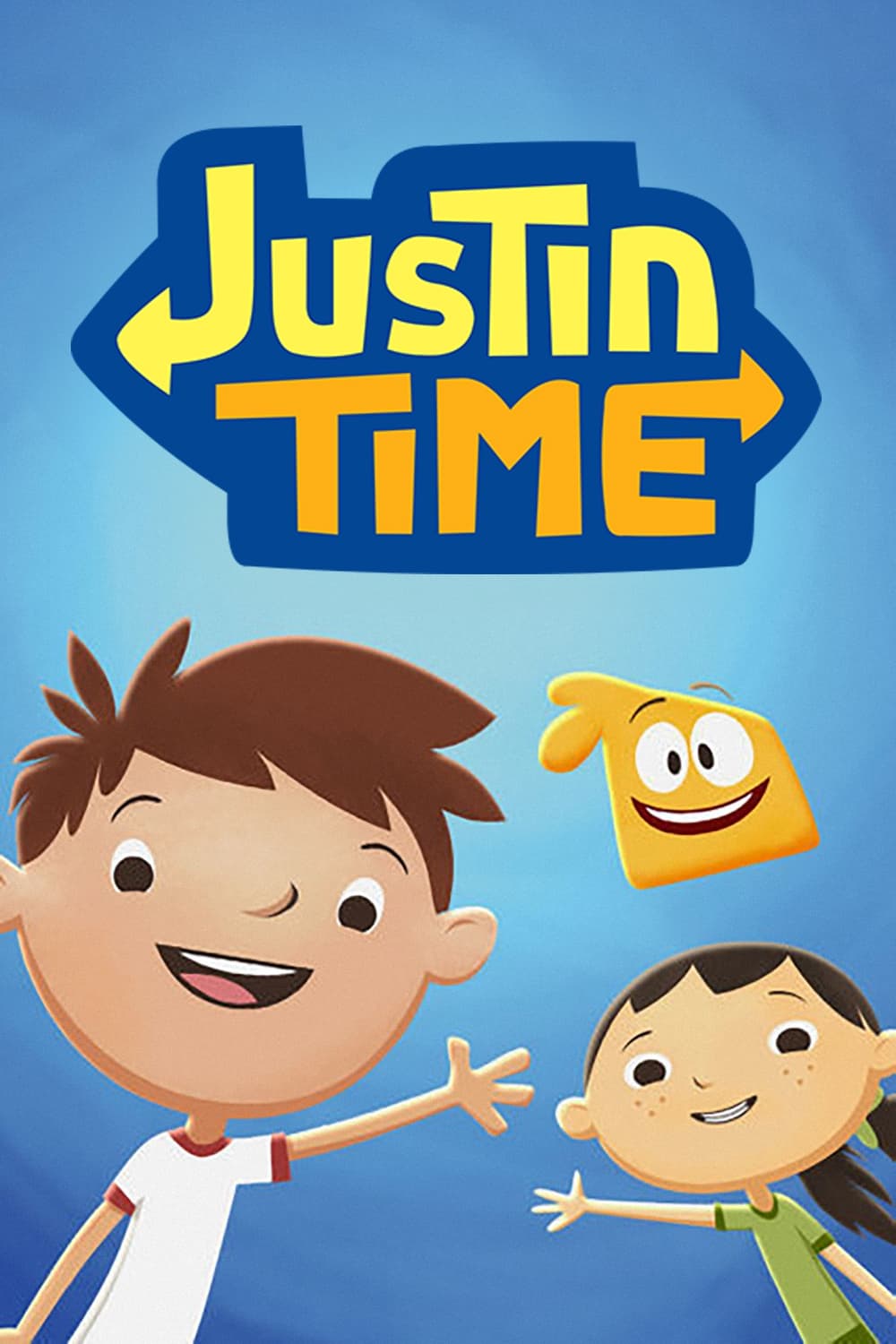
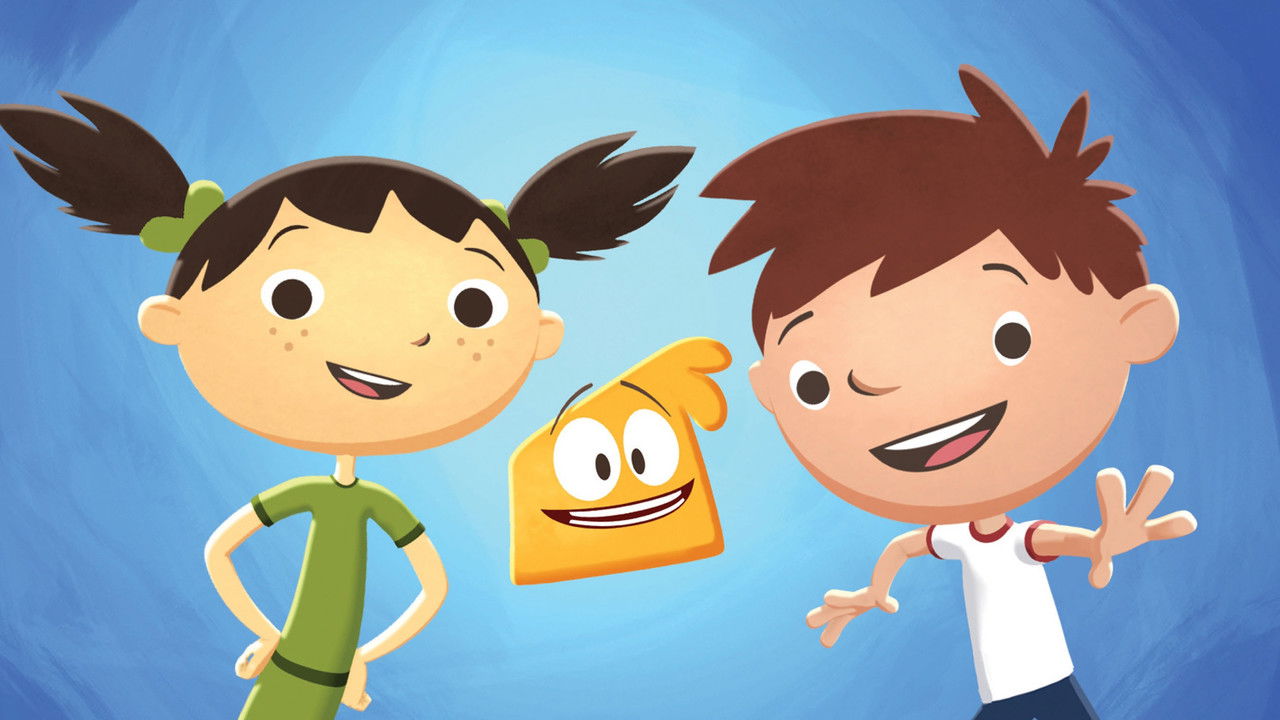
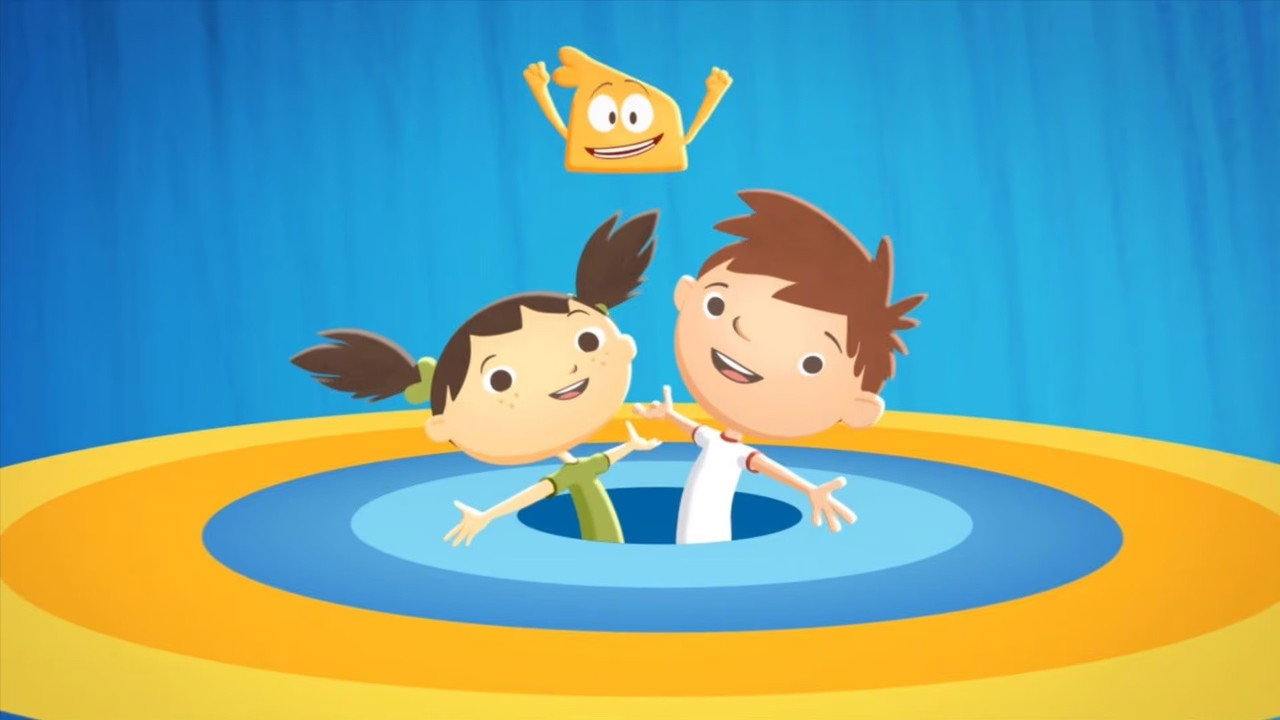
While Justin is the lead and Olive is the resident expert who actually knows how to sail a ship or navigate a desert, Squidgy is the secret sauce. He’s a yellow, shape-shifting blob of clay who provides the physical comedy.
Squidgy’s presence is vital because he keeps the "educational" aspects from feeling like a lecture. He’s the chaos element. When the show starts leaning too hard into explaining how a pulley works or how a certain culture lives, Squidgy will turn into a ball or a hat and do something silly. It’s a classic comedy dynamic that works for the three-to-six-year-old demographic: a straight man (Olive), a dreamer (Justin), and a clown (Squidgy).
A Different Kind of Visuals
The animation style is worth a mention because it doesn't look like the generic, plastic-texture CGI that dominates Netflix Kids today. There is a hand-drawn quality to the backgrounds—critics have compared it to chalk paintings—that gives the whole production a soft, storybook feel.
This aesthetic choice actually serves a purpose. Since the show is about "imagining" these adventures, the slightly stylized, less-than-perfect lines make the world feel like something a child actually could conjure up in their head. It’s less about realism and more about atmosphere. It’s visually quiet, which makes it a great choice for "wind-down" time before a nap or bed when you don't want a screen full of neon explosions and rapid-fire cuts.
How to Think About the History
Don't come here looking for a history lesson. The "Time" in the title is more of a flavoring than a factual framework. The show treats the past like a giant dress-up box.
If your kid asks why the Vikings didn't have horned helmets in real life or why the Ming Dynasty episode skipped over the complex political nuances of the era, you’ve missed the point. The show uses these settings to teach flexibility. Justin usually enters the "imagination" world with a rigid idea of how things should go, and the historical setting forces him to adapt. It’s about the mindset of exploration, not the memorization of dates. If your kid is already obsessed with dinosaurs or space, this is a way to pivot that obsession toward human history and different cultures without it feeling like "school."