The "Lived-In" Cultural Vibe
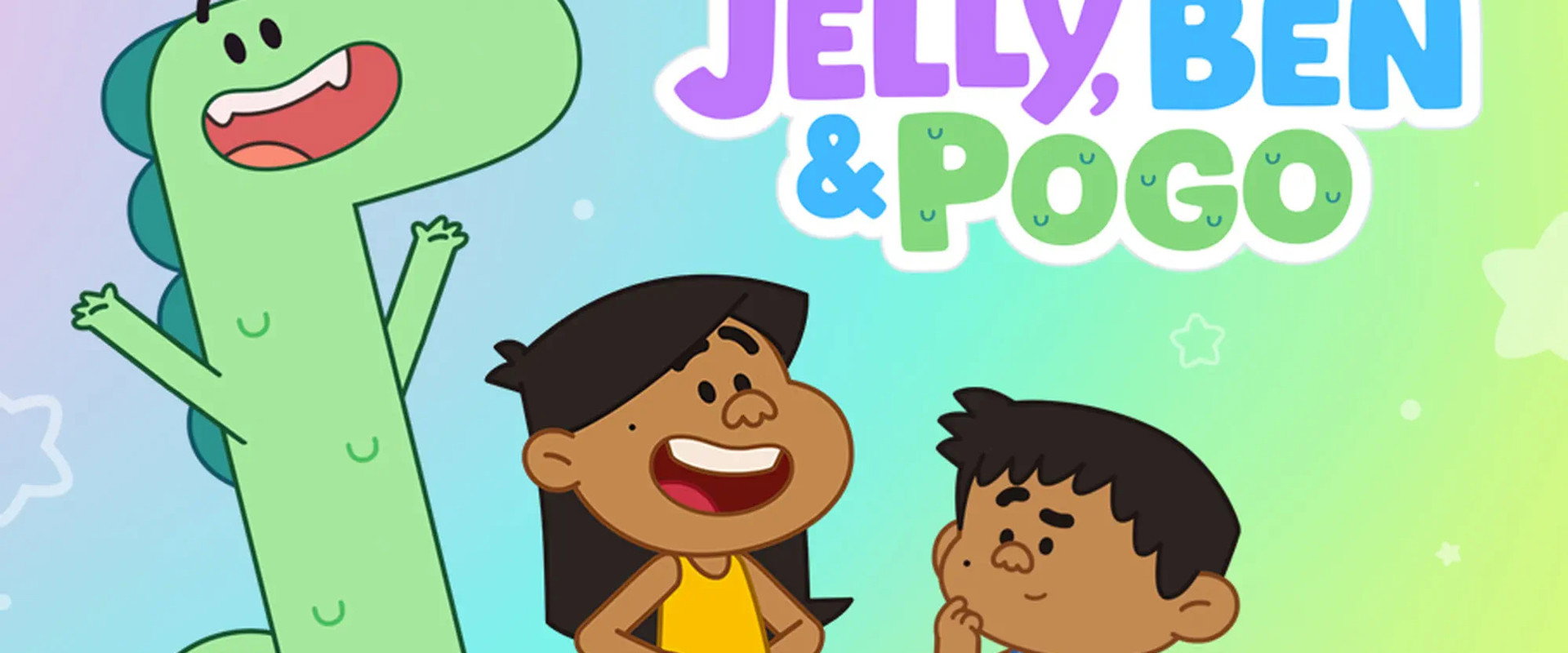
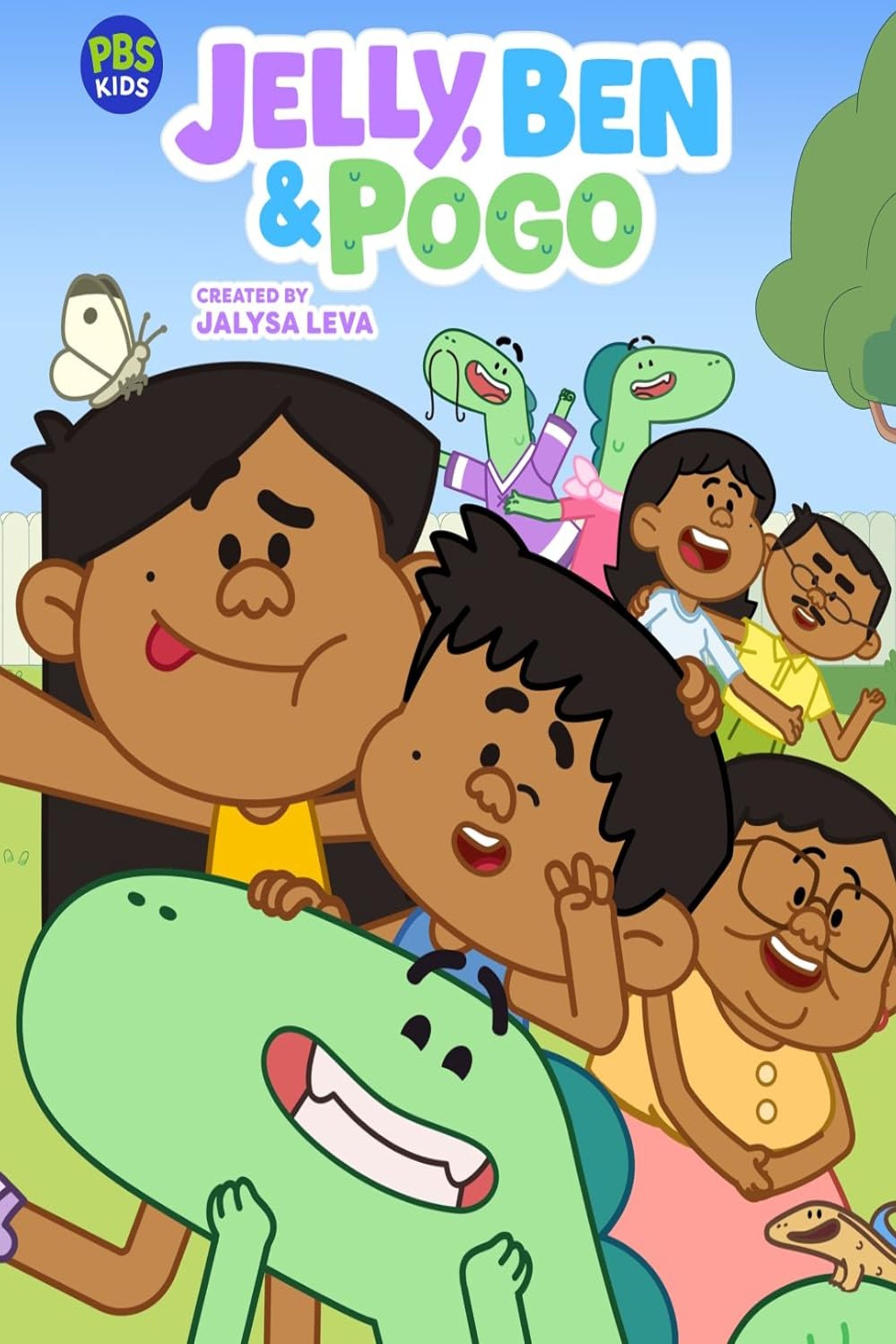
Most educational shows treat "culture" like a museum exhibit—something to be looked at, explained by a narrator, and then put back on the shelf. Jelly, Ben & Pogo skips the lecture and just lets you live in a Filipino-American household. It’s the difference between a textbook and an invitation to dinner.
You’ll see the family gathering for a kamayan feast, where food is laid out on banana leaves and eaten with hands. The show doesn't pause for a five-minute PowerPoint on the history of the tradition; it focuses on the social friction, like Jelly worrying about how to make Pogo the sea monster feel included since he doesn't exactly have human hands. That’s the specificity that makes this work. It treats Tagalog words and Filipino snacks like pancit as part of the furniture of daily life, which is exactly how kids actually experience their own worlds.
STEAM Without the Lecture
If your kid is into Ada Twist, Scientist or Elinor Wonders Why, they’ll recognize the rhythm here. But while those shows often feel like they’re built around a specific curriculum goal, this show feels like it’s built around tinkering.
Take the episode with the trumpo—a traditional Filipino wooden top. When it breaks, the solution isn't a magical "science" button. It’s about Ben and Jelly looking at what they have, identifying the mechanical failure, and trying a fix. It’s low-stakes engineering. It validates the idea that being "brainy" isn't about knowing big words; it's about being the kid who stays quiet and observes until they figure out how the gears turn. For parents who want to encourage a maker mindset without the "educational" brand being slapped across every frame, this hits the sweet spot.
The Short-Form Antidote
We need to talk about the 6.4 IMDb score. In the world of prestige TV, that’s a "skip." In the world of preschool shorts, it usually just means the show isn't trying to cater to the adults in the room with meta-humor or cinematic grandiosity. This isn't Bluey, and it isn't trying to make you cry.
It is, however, the perfect alternative to the high-decibel "brain rot" that dominates YouTube. If you’ve ever found your kid in a trance watching bright, loud, nonsensical toy unboxings or repetitive nursery rhyme loops, Jelly, Ben & Pogo is the pallet cleanser. The episodes are "snackable" in length, but they have actual nutritional value. You can hand over the tablet for ten minutes while you finish an email and know they’re watching a story about empathy and physics rather than just a series of flashing lights.
Why Pogo Matters
Every preschool show needs a "chaos agent" to keep things from getting too precious. Pogo is that guy. As a sea monster, he provides the necessary friction for the siblings to solve problems. He’s the "party starter," which is often code for "the one who accidentally knocks over the project."
But the show handles his "otherness" with a light touch. He’s not a monster to be feared or a pet to be managed; he’s a best friend with different physical needs. Watching Jelly and Ben adapt their games and their home to accommodate a literal sea monster is a great, non-preachy way to model accessibility and inclusion. It’s subtle, it’s kind, and it’s one of the best reasons to keep this show in your rotation.