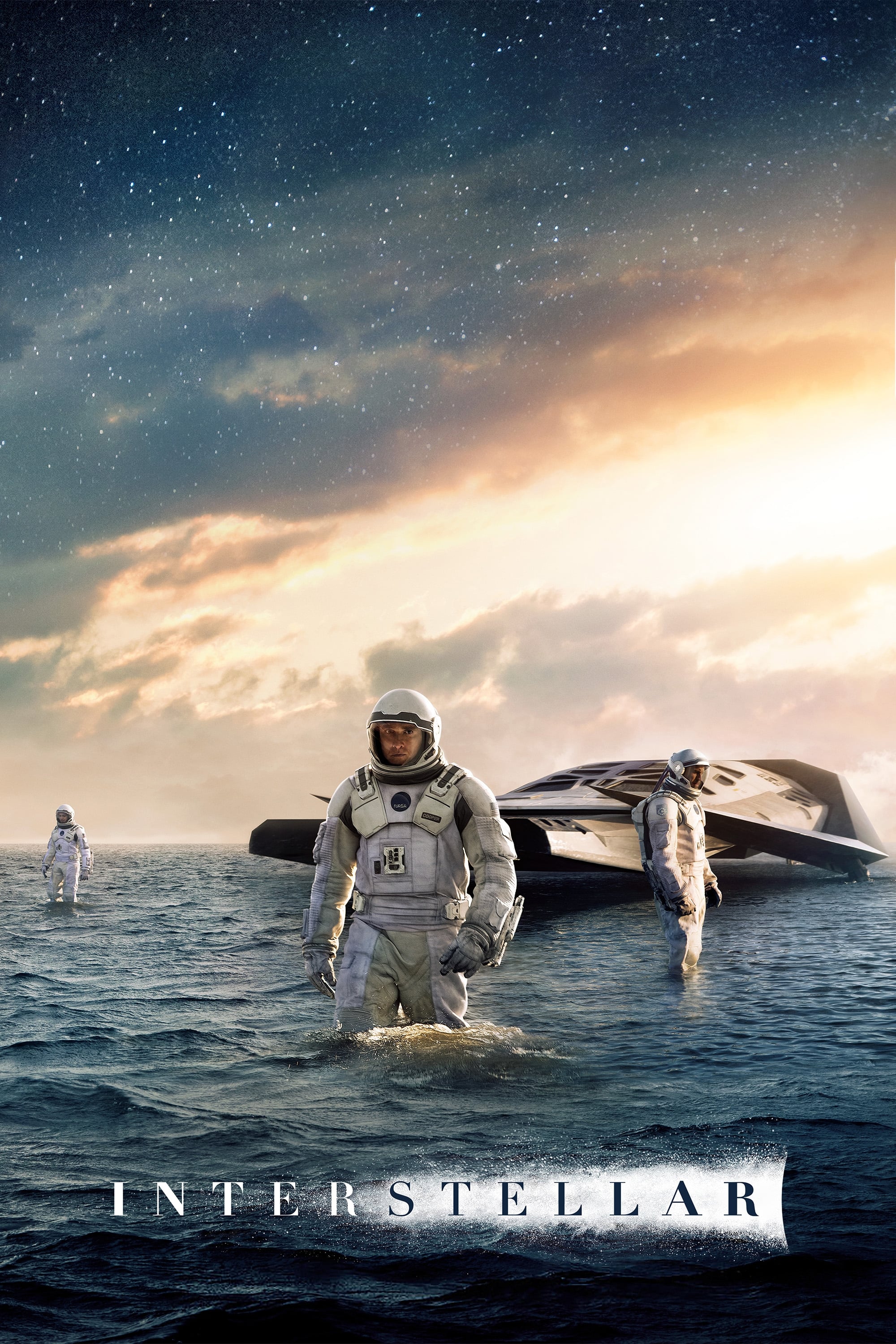
The "No-Pander" Sci-Fi
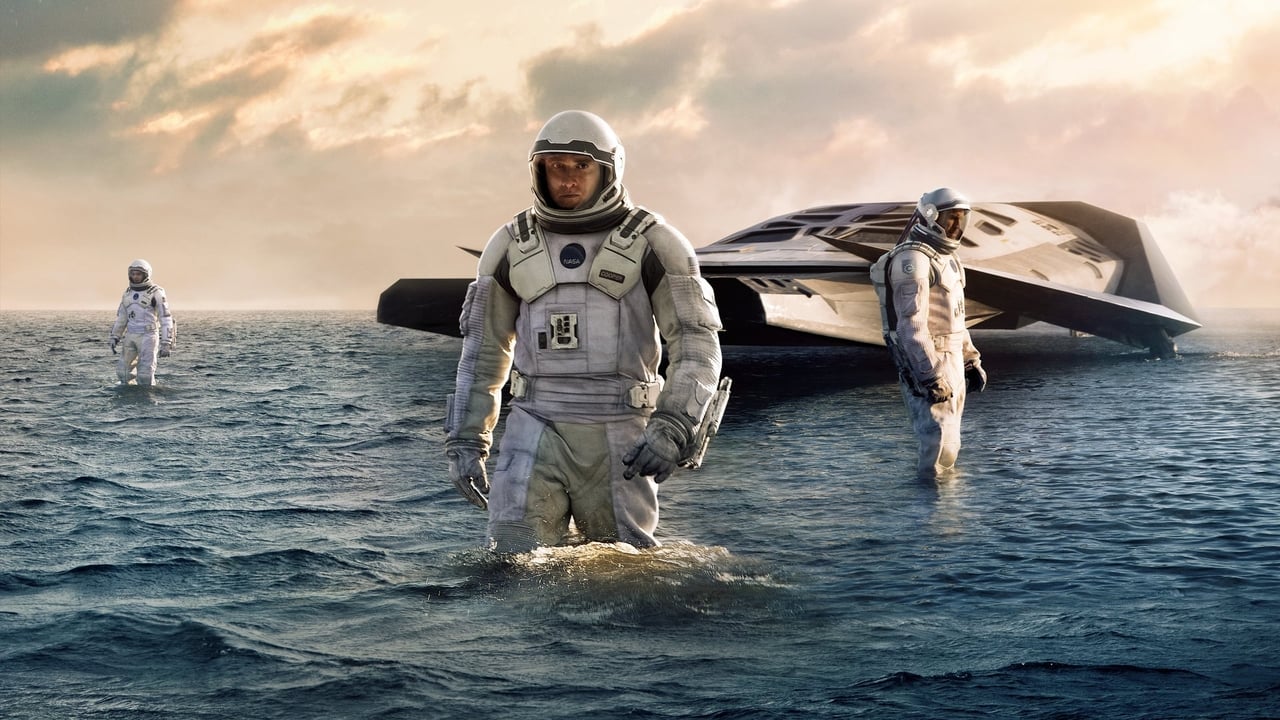
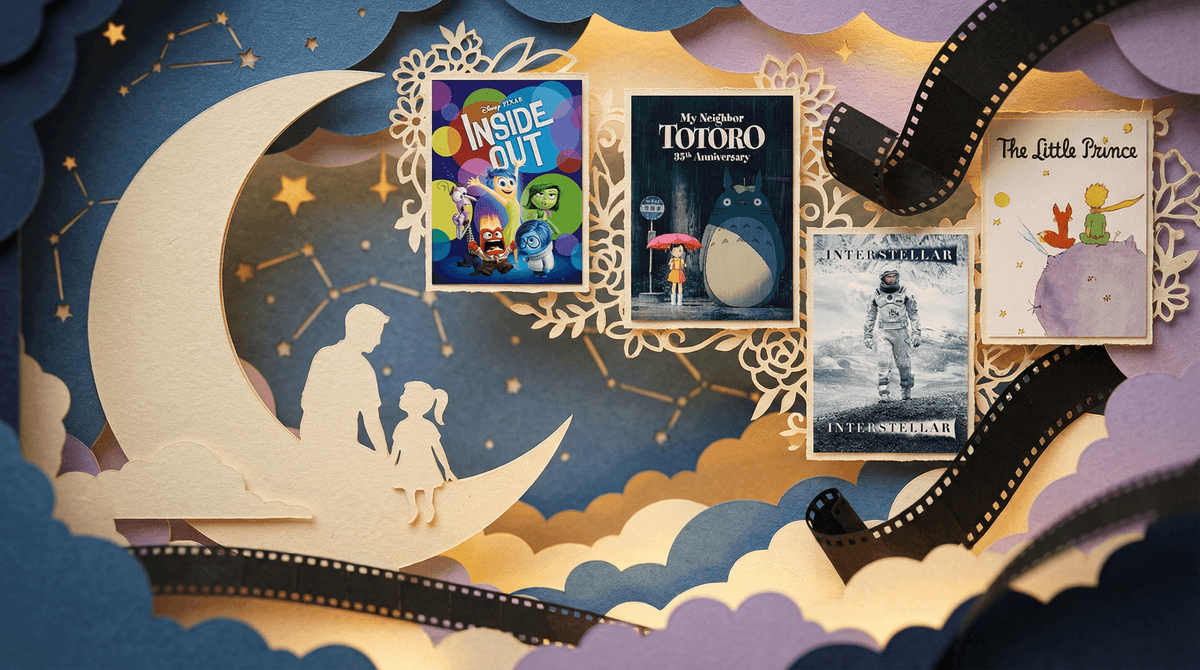
Most big-budget space movies treat the vacuum of the universe like a backdrop for a chase scene. This one treats it like a character. It’s refreshing to see a film that assumes the audience can keep up with the logic of wormholes and time dilation without constant hand-holding. If your kid is graduating from live-action movies about space for 8-to-12-year-olds and wants something that feels "adult" without being nihilistic, this is the gold standard.
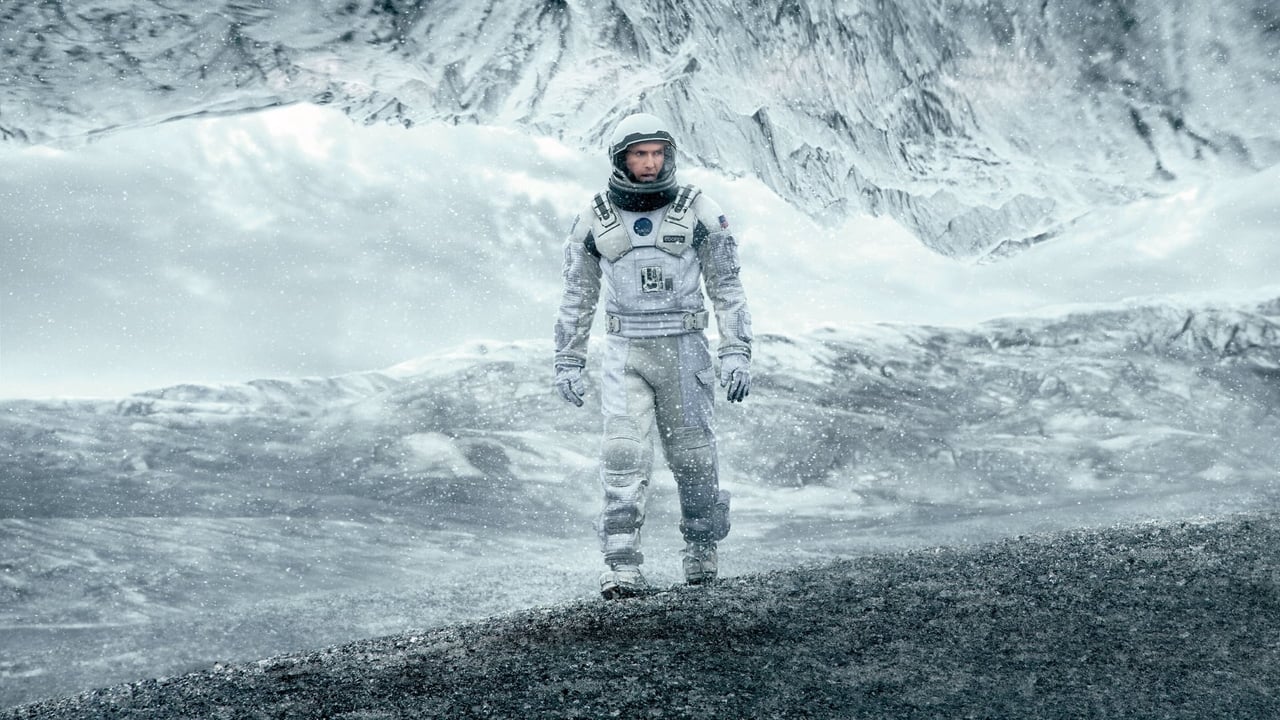
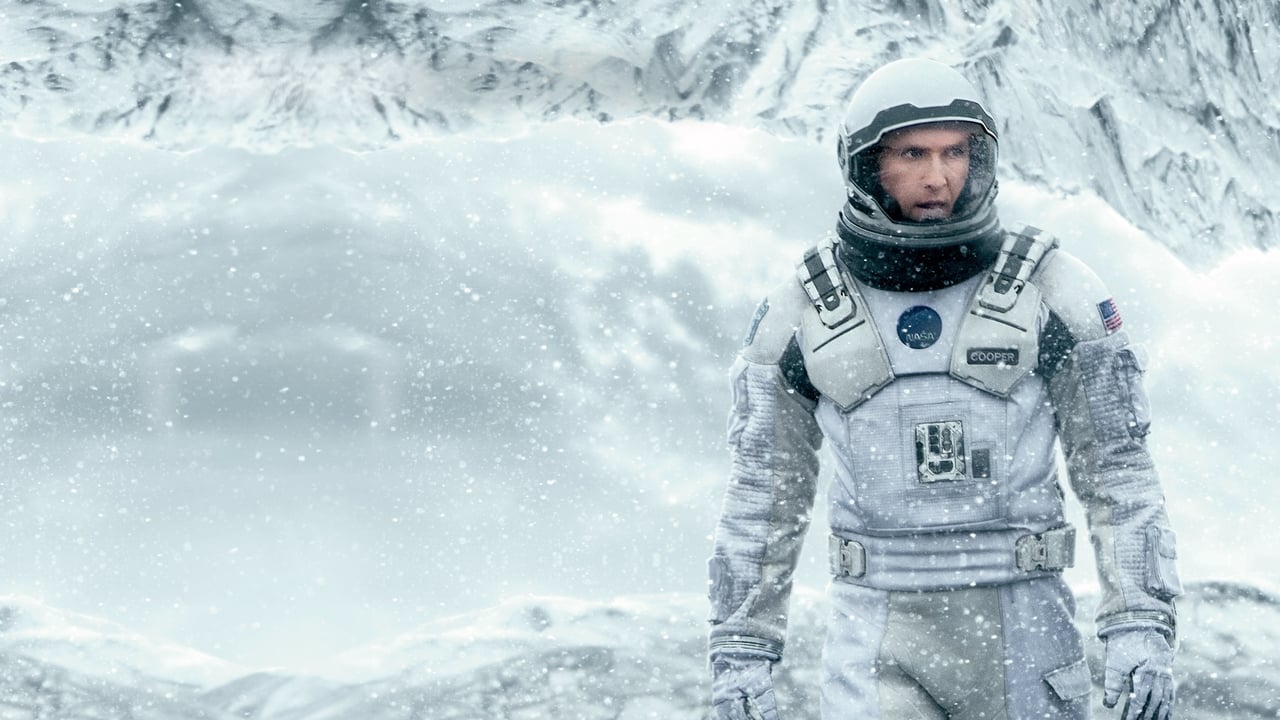
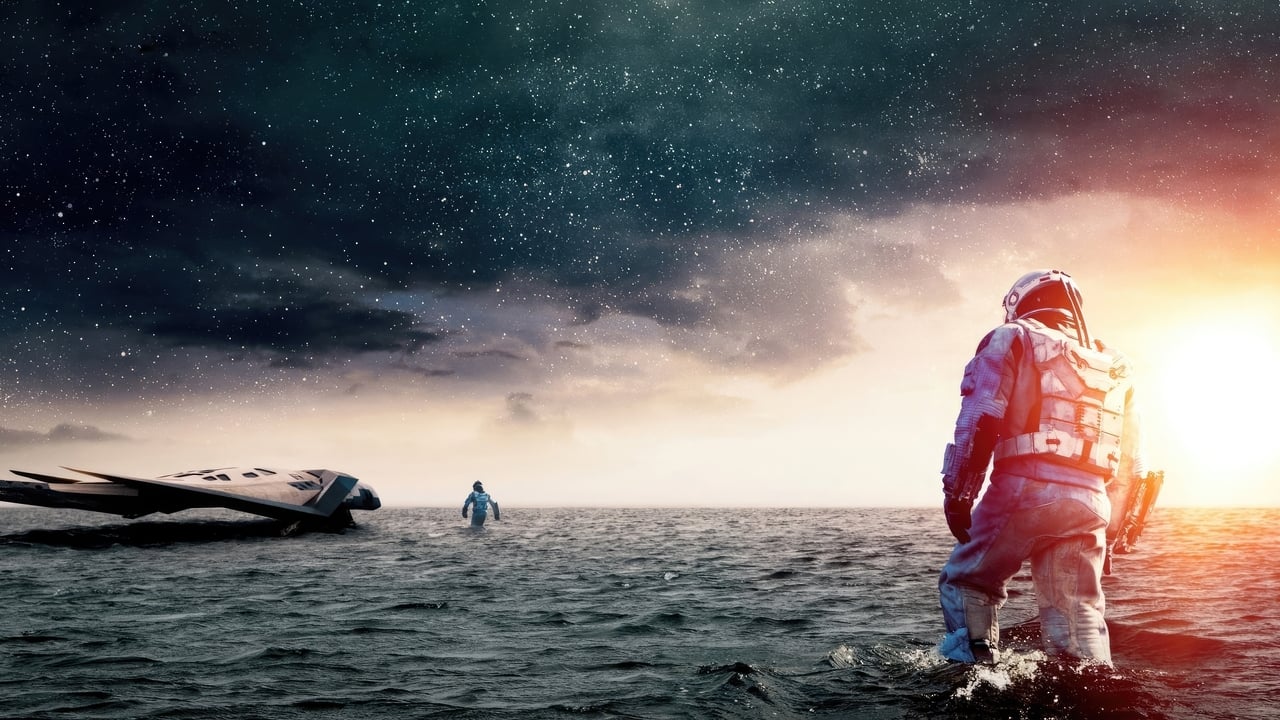
The story works because it’s a high-stakes survival mission wrapped in a grounded family crisis. We aren't just looking at pretty stars; we're watching the clock run out on a dying planet. It makes the science feel urgent rather than academic. When the explorers land on a planet where every hour equals seven years back home, the tension isn't about monsters. It’s about the terrifying math of missing a child’s entire life.
The Emotional Heavy Lifting
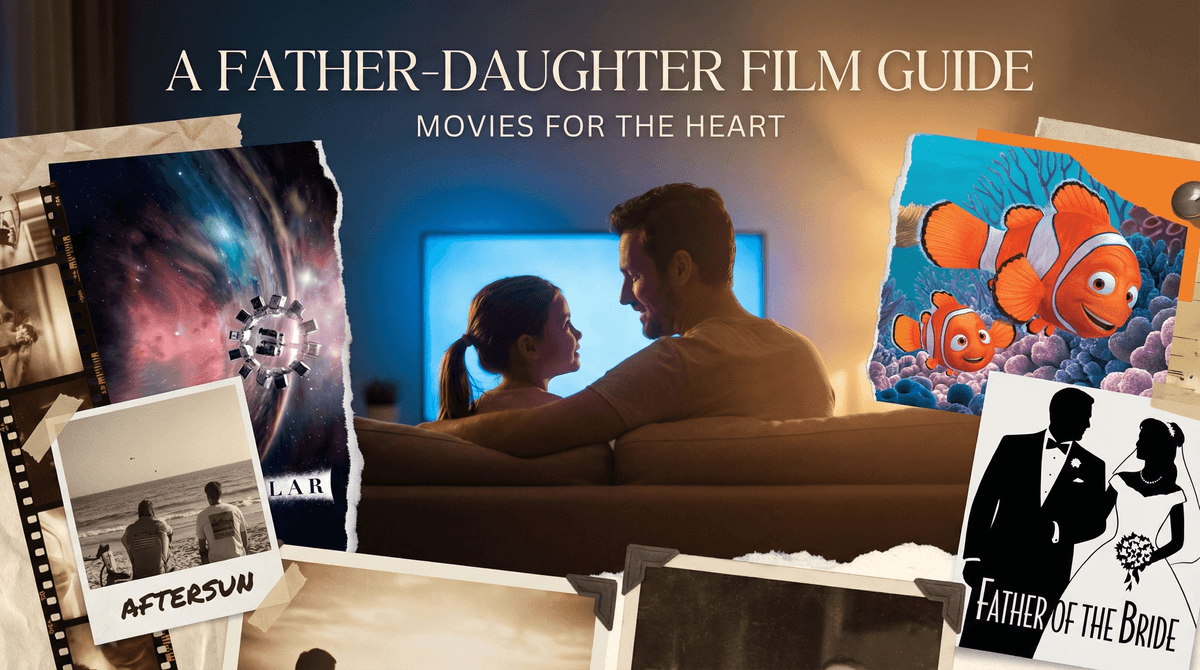
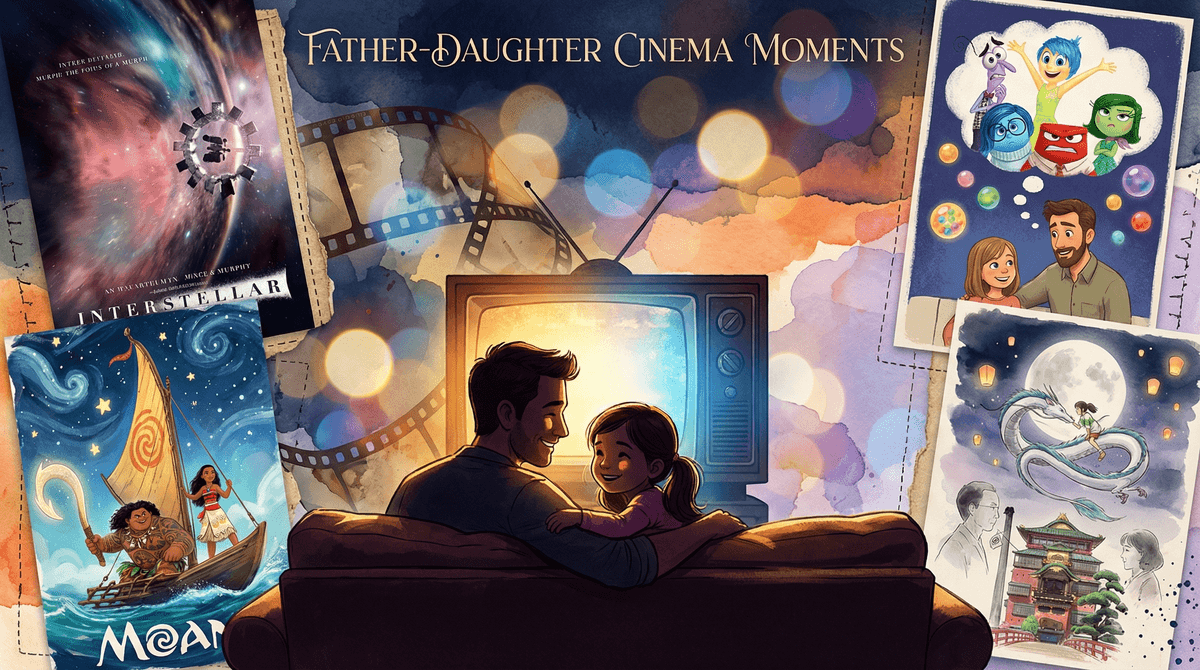
While the 8.7 IMDB score points to a crowd-pleaser, the reason it sticks with people is the central relationship. It easily ranks among the most touching father-daughter movies of all time because it explores a very specific type of grief: the kind where both people are still alive, but separated by the literal laws of the universe.
Watching the lead actor process years of family history in a single sitting is a heavy lift for younger viewers. It’s not just "sad"—it’s existential. For a teenager, this is a great entry point into the idea that parenting is a series of impossible choices. The movie doesn't sugarcoat the fact that the father’s drive to save the world requires him to break his daughter’s heart. That friction is what keeps the 169-minute runtime from feeling like a physics lecture.
Managing the 169-Minute Marathon
Let's be real: nearly three hours is a massive ask for a Tuesday night. This is a "big screen, phones away" experience. If you try to watch this while scrolling, the internal logic of the final act will fly right over your head. It’s a movie that demands you buy into its ambition completely.
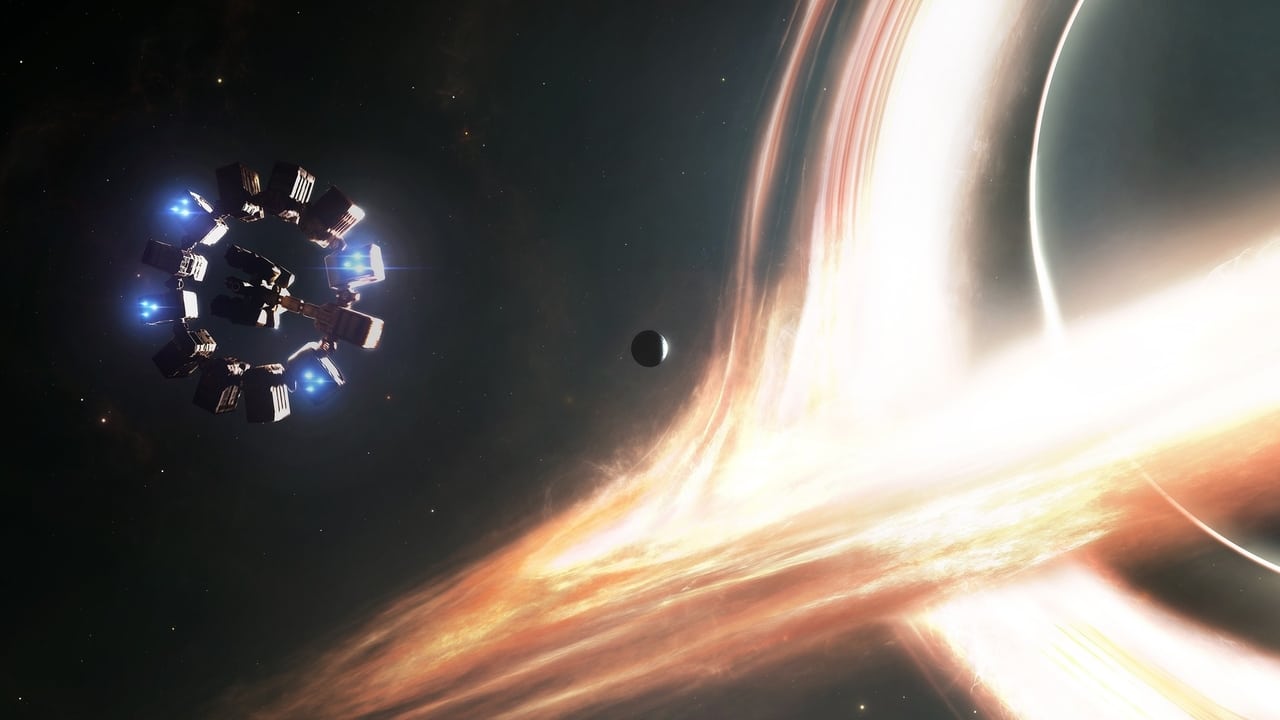
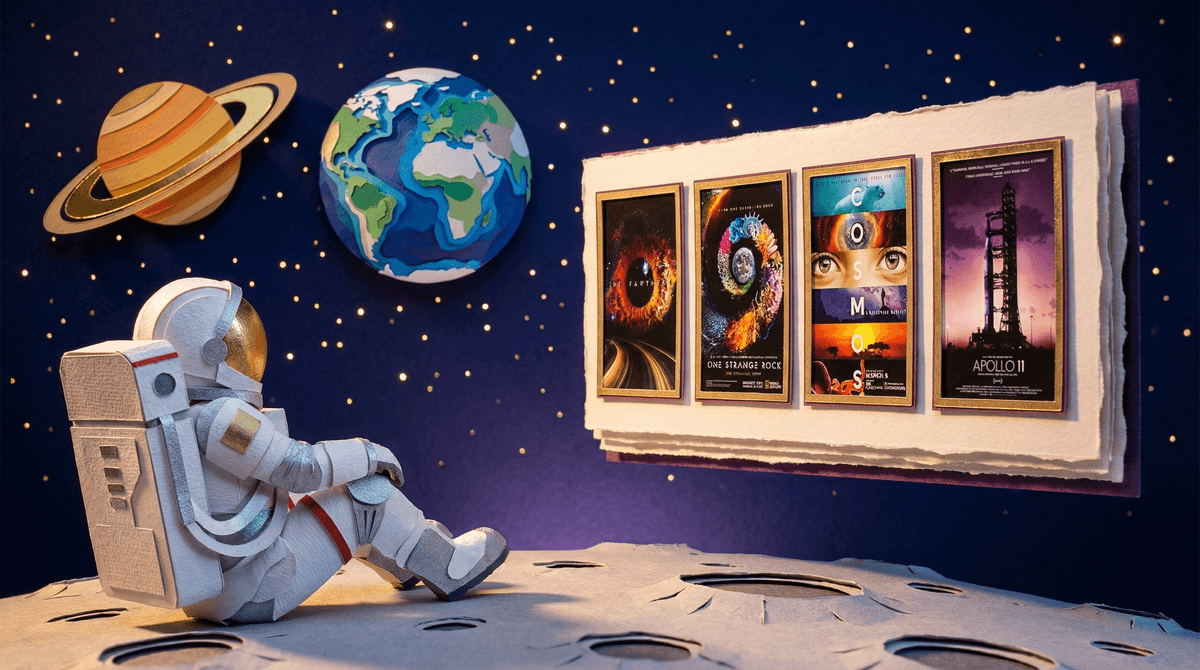
If your kid is the type who constantly pauses the movie to ask if something is "real," you might want to pair this with the best space documentaries for cosmic exploration afterward. The film leans on actual theories for its visuals, especially the black hole and the wormhole. Even a decade later, the practical effects and the massive, organ-heavy soundtrack make most modern digital effects look cheap. It’s a sensory experience that rewards a high-quality home setup or the biggest TV you can find.