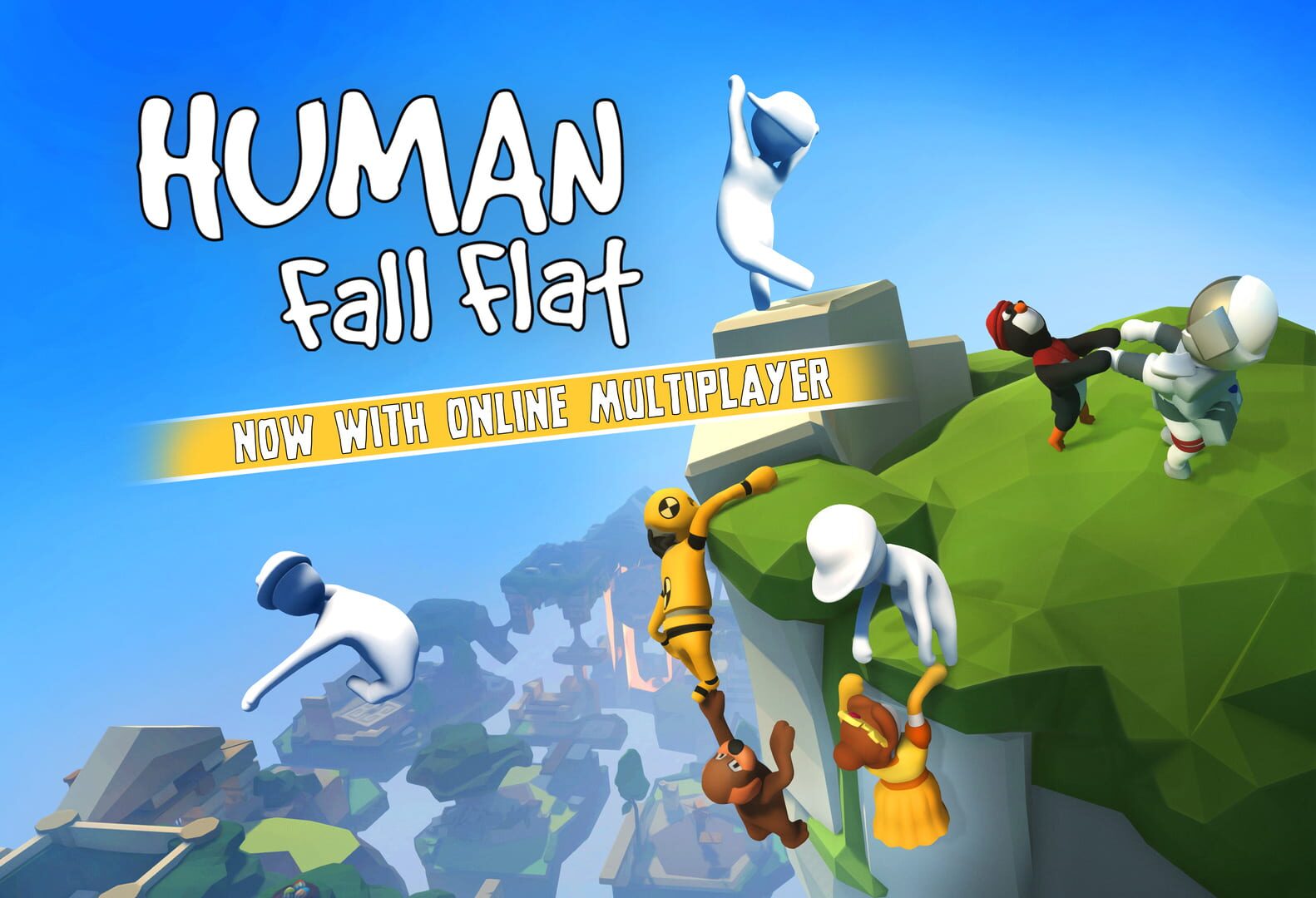
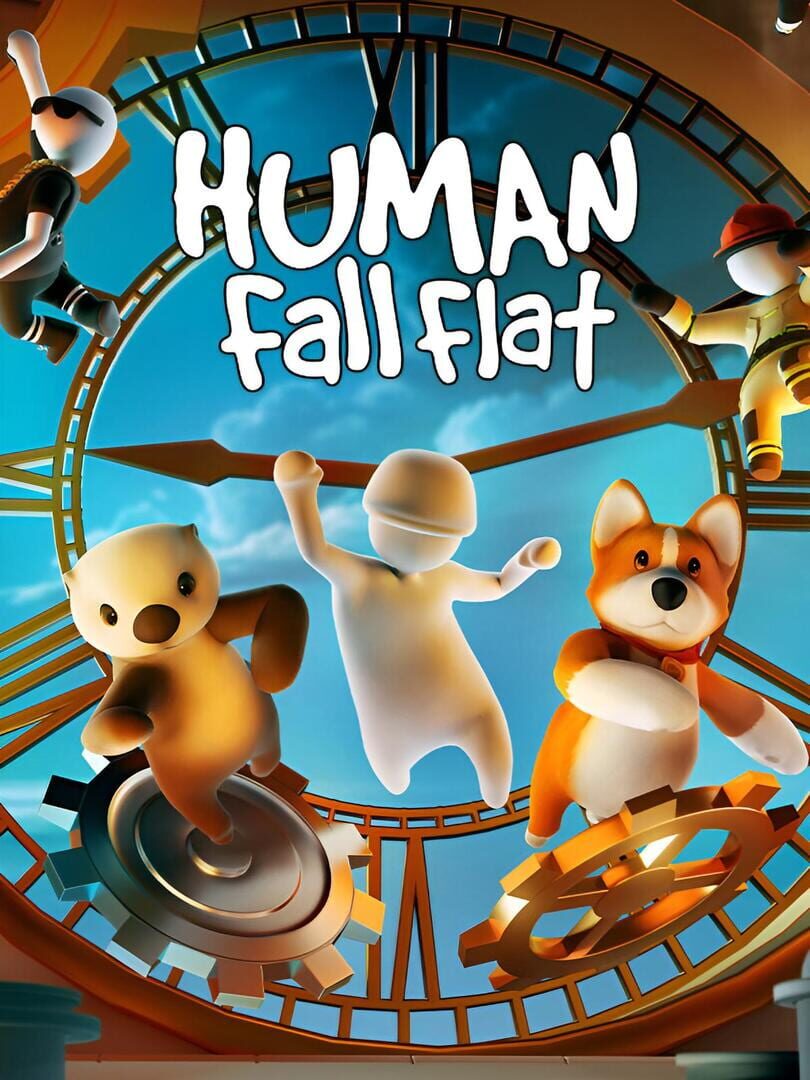
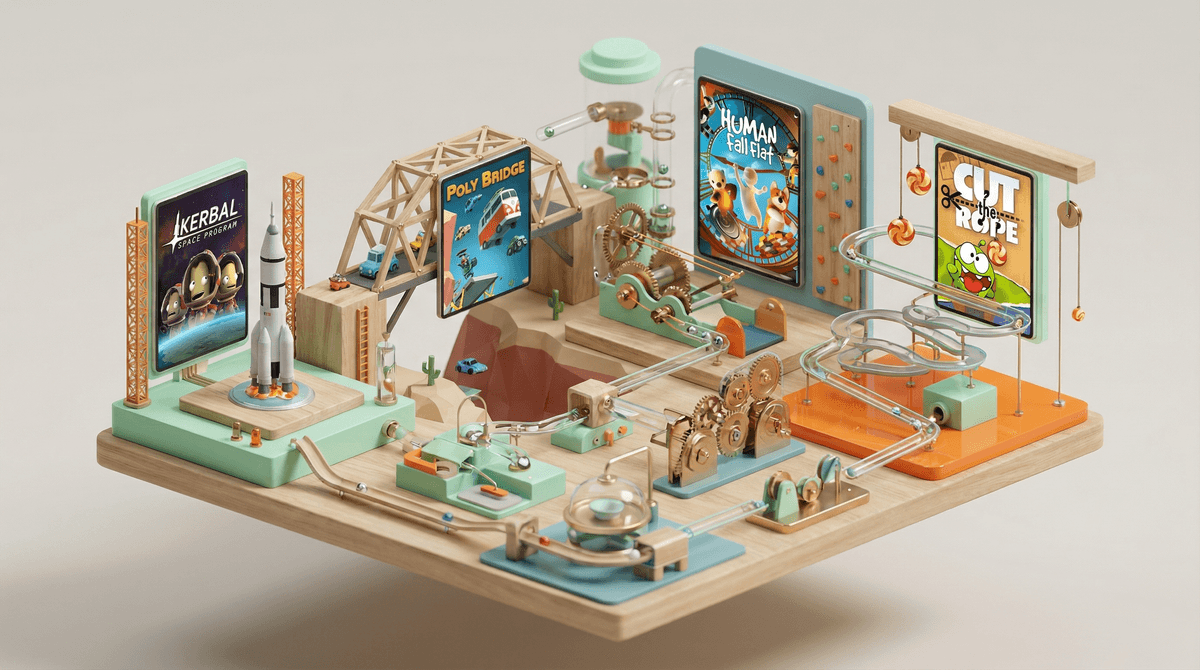
Most games spend millions of dollars trying to make you feel like a superhero. Human: Fall Flat spends its time making you feel like a bag of wet laundry. It’s a physics-based puzzle game where the main character, Bob, has the bone density of a marshmallow and the coordination of a toddler in a snowsuit.
While a 68 on IGDB might suggest a "meh" experience, that score misses the point of why this game has survived for a decade. It isn't trying to be a polished masterpiece; it’s a comedy engine.
The "Productive Frustration" sweet spot
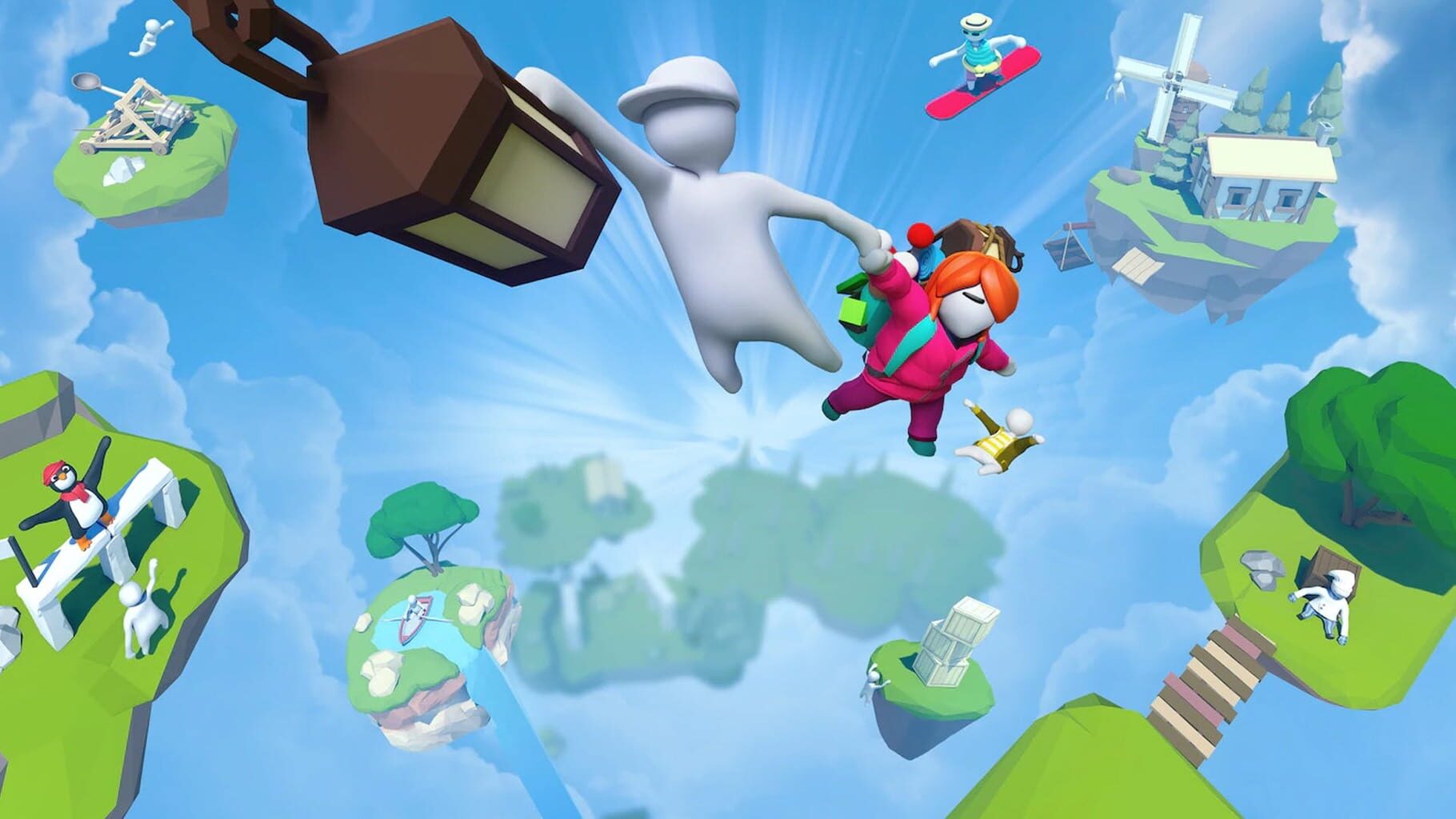
The game is built on a series of floating dreamscapes where you have to get from point A to point B. The catch is that Bob’s arms are controlled independently. You have to manually reach out, grab a ledge, and then "look up" to pull yourself up. It’s clunky, it’s awkward, and it’s exactly why the game works.
If you’re looking for physics games for kids that don’t feel like a digital textbook, this is the gold standard. It forces kids to deal with what we call productive frustration. When Bob falls off a ledge for the tenth time because the player mistimed a swing, it’s usually funny rather than infuriating because the failure looks like a slapstick cartoon. It teaches kids to laugh at a mistake, recalibrate, and try a different angle—literally.
Better than a Roblox "Obby"
If your kid spends a lot of time in Roblox playing "Obbys" (obstacle courses), think of Human: Fall Flat as the premium, high-fidelity version of that experience. Where Roblox physics can be glitchy and unpredictable, the physics here are consistent. If a bridge collapses, it’s because you put too much weight on one side. If a catapult doesn't fire, it's because you didn't tension the line.
It’s one of the best non-violent Xbox games (and it's on every other platform too) because it replaces combat with spatial reasoning. There are no enemies to fight, only a heavy door that needs a lever or a gap that needs a creative solution.
How to play it without the "Rage-Quit"
The solo experience can be a bit lonely and, frankly, much harder. The game truly shines in co-op. When two players are trying to move a wooden plank together—one person inevitably walking off a cliff while the other desperately clings to the wood—the game turns into a team-building exercise disguised as a disaster.
A few tips for the "Intentional Parent":
- Let them fail. The temptation to grab the controller and "just do the jump" is high. Don't. The learning happens in the five failed attempts.
- Customization is the hook. You can paint Bob. It sounds minor, but for younger kids, spending twenty minutes turning their character into a weird neon dog-man makes them much more invested in the puzzles.
- Watch the "solution" videos together. If they get truly stuck, YouTube is full of creative (and hilarious) ways people have broken these levels. It’s a great way to show them that there isn't just one "right" way to solve a problem.
This isn't a game about winning; it’s a game about the process of not falling. In a world of high-stakes competitive shooters, a game about a wobbly guy trying to open a door is a necessary pallet cleanser.