A Lesson in Balance
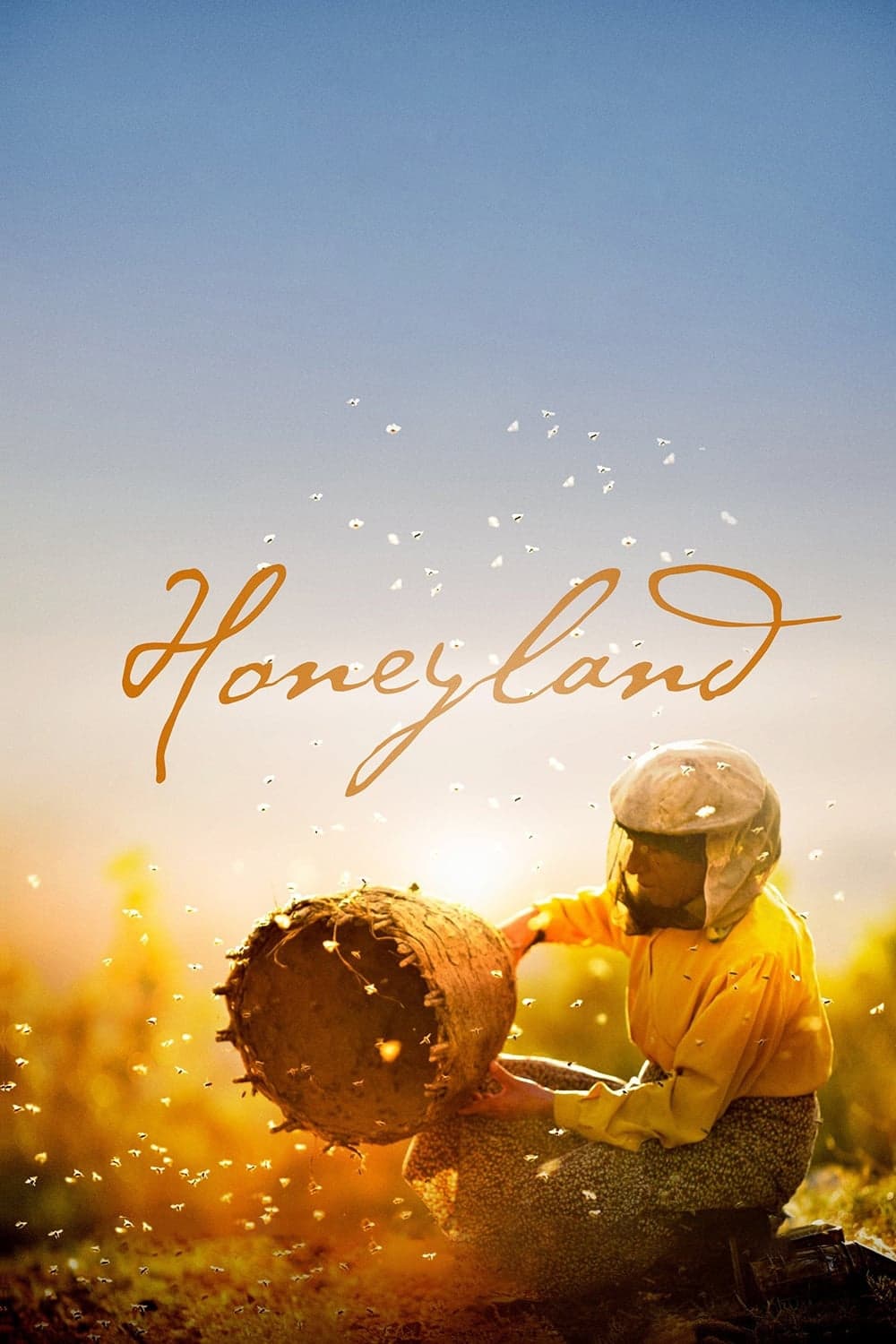
Honeyland started as a government-funded environmental video and accidentally became one of the most acclaimed documentaries of the decade. The filmmakers spent three years in a deserted Macedonian village, filming without a script, and what they captured is more dramatic than most Hollywood features.
At the center is Hatidže, a woman who lives without electricity or running water, caring for her blind mother and her wild bees. Her rule is simple: 'Take half, leave half.' It’s a sustainable cycle that has worked for generations. The conflict arrives in the form of a nomadic family with seven children, an engine-revving trailer, and a desperate need to make a quick buck. They see the honey as a commodity to be mined, not a relationship to be managed.
Visuals Over Voiceover
There is no narrator telling you what to think. The story is told entirely through observation. You see the contrast between Hatidže’s gentle, singing interactions with her bees and the neighbors' chaotic, sting-filled attempts to force a harvest. For a kid, this visual contrast is more effective than any 'save the planet' lecture.
It’s worth noting that the film doesn't vilify the neighbors as cartoon villains; they are portrayed as people struggling with their own poverty and lack of knowledge. This nuance makes for a great post-movie discussion about why people make the choices they do and how desperation can lead to short-sightedness.
How to Watch with Kids
If your kids haven't watched many international films, Honeyland is a great entry point because the visual language is so strong. You barely need the subtitles to understand the tension. It’s a 'vibes' movie—put it on a big screen, turn off the lights, and let the incredible natural-light cinematography do the heavy lifting. It’s the kind of film that sticks with you long after the credits roll, specifically the next time you see a jar of honey on the shelf.