The "Real Animal" magic
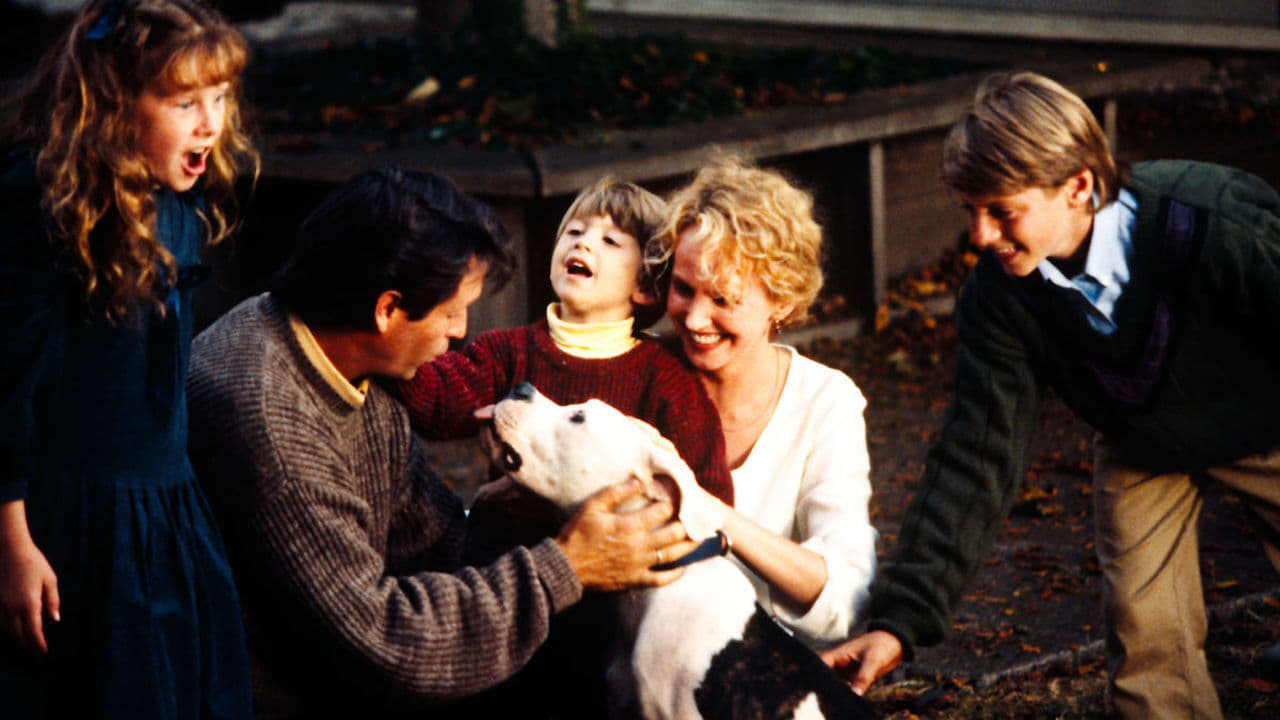
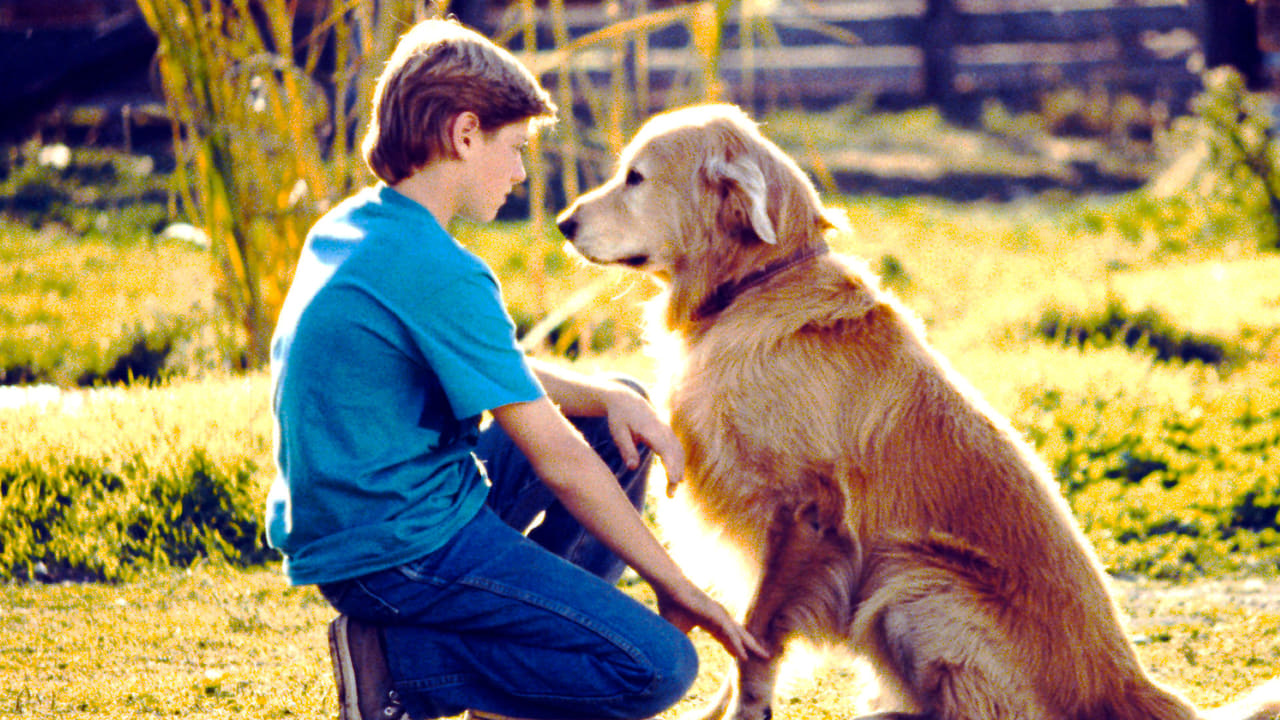
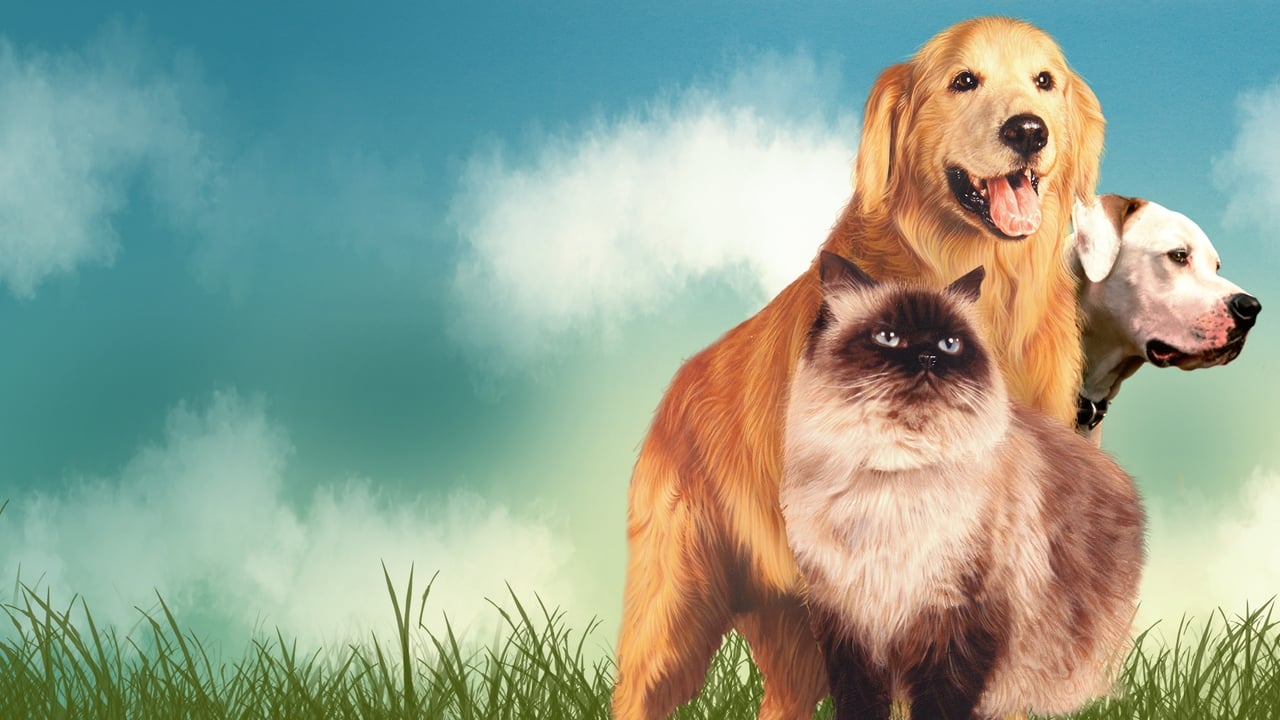
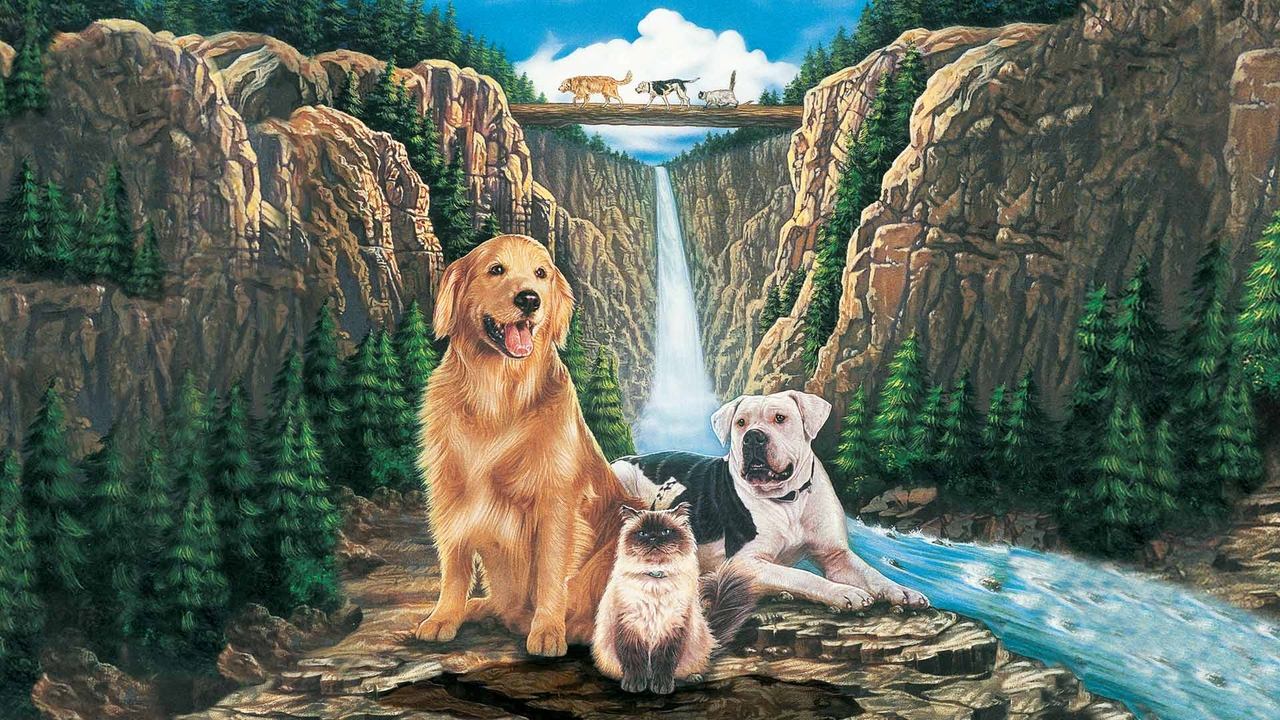
Most modern animal movies rely on CGI to make pets talk, which often lands them right in the uncanny valley. Homeward Bound is a different beast entirely. Because it uses real animals and clever voice-over work rather than digital lip-syncing, the emotional stakes feel grounded. When Shadow, the golden retriever, struggles to get out of a muddy pit, you aren't looking at a bunch of pixels; you're looking at a dog that looks like your dog.
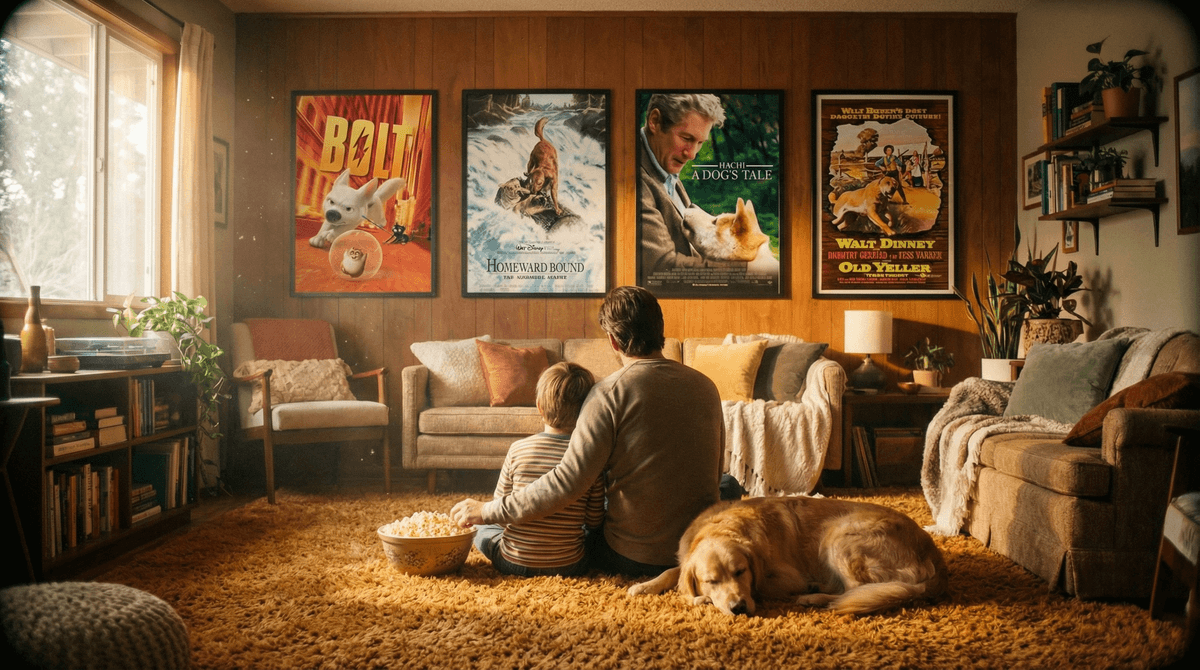
This creates a level of empathy that's hard to find in something like The Secret Life of Pets. It’s a survivalist movie first and a "talking animal" movie second. If your household is already deep into our guide to dog movies for kids, this is the heavyweight champion of the genre. It treats its four-legged protagonists with more dignity than most live-action comedies treat their human actors.
A Michael J. Fox time capsule
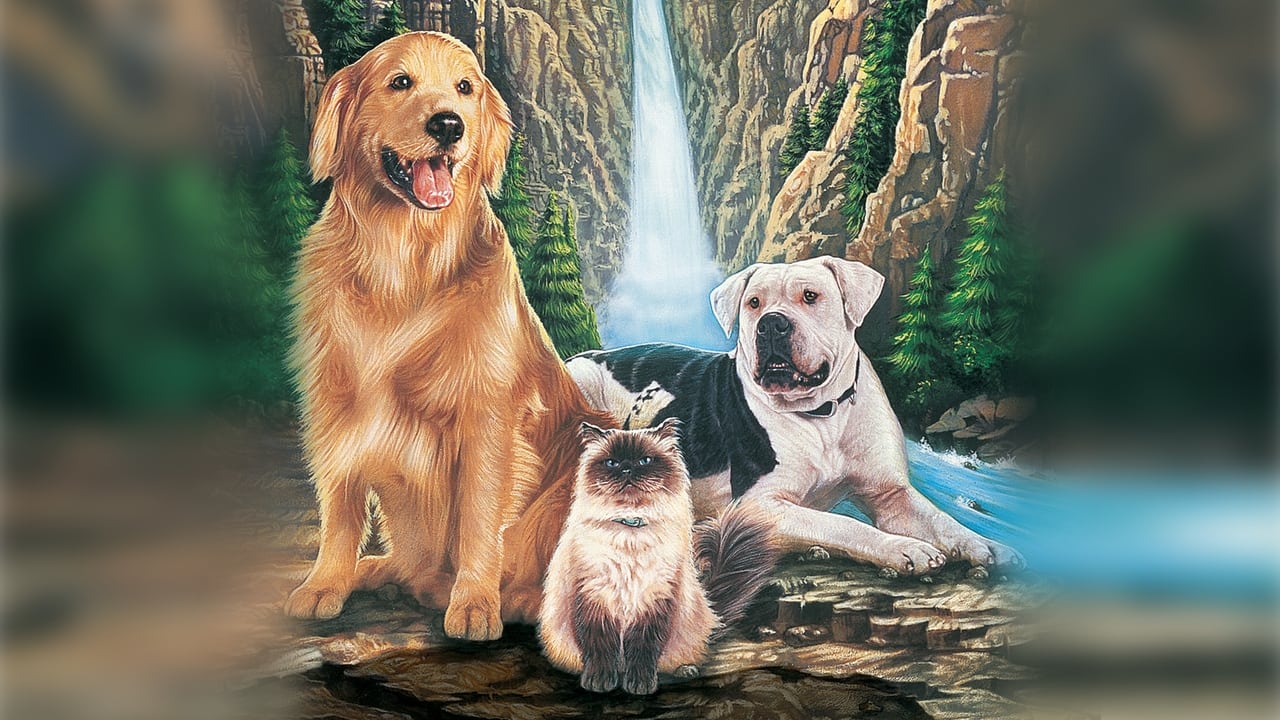
The voice casting here is what elevates the movie from a standard "lost pet" trope to a legitimate character study. Michael J. Fox provides the voice for Chance, the young American bulldog, and he brings that specific 90s "wise-cracking but vulnerable" energy that defined his career. He’s the engine of the movie, providing the comic relief that keeps the survival elements from becoming too grim.
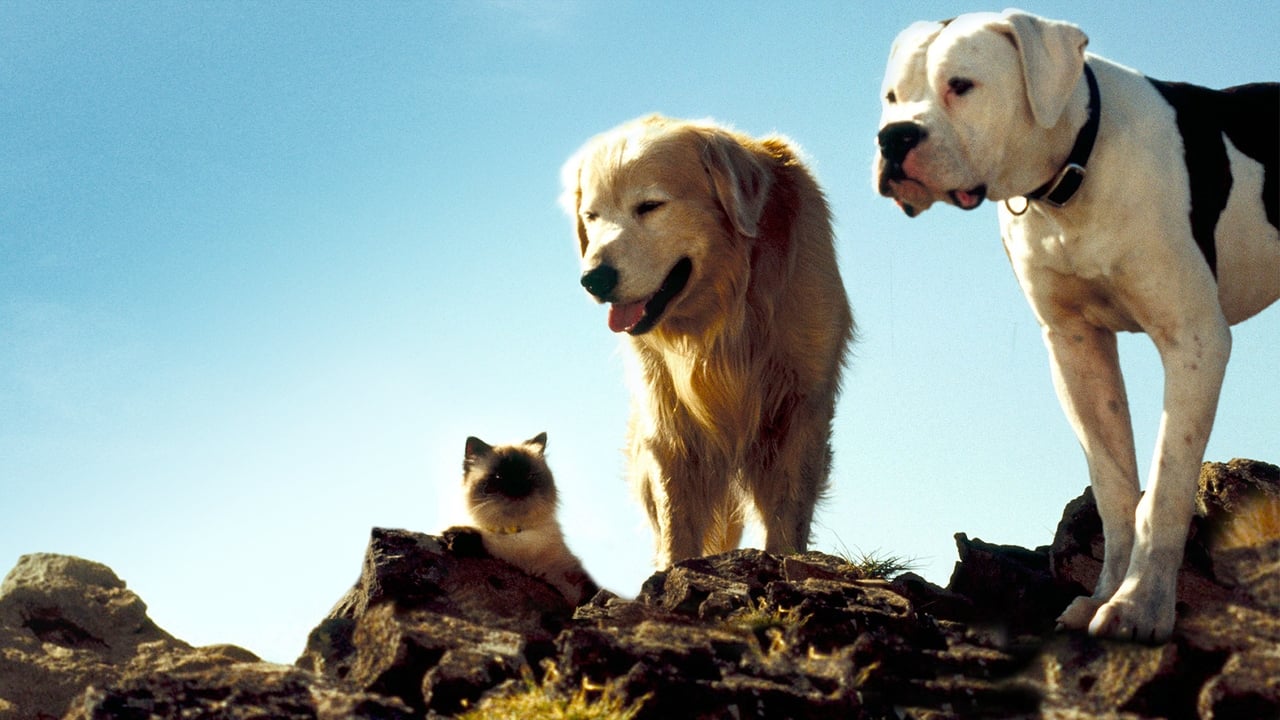
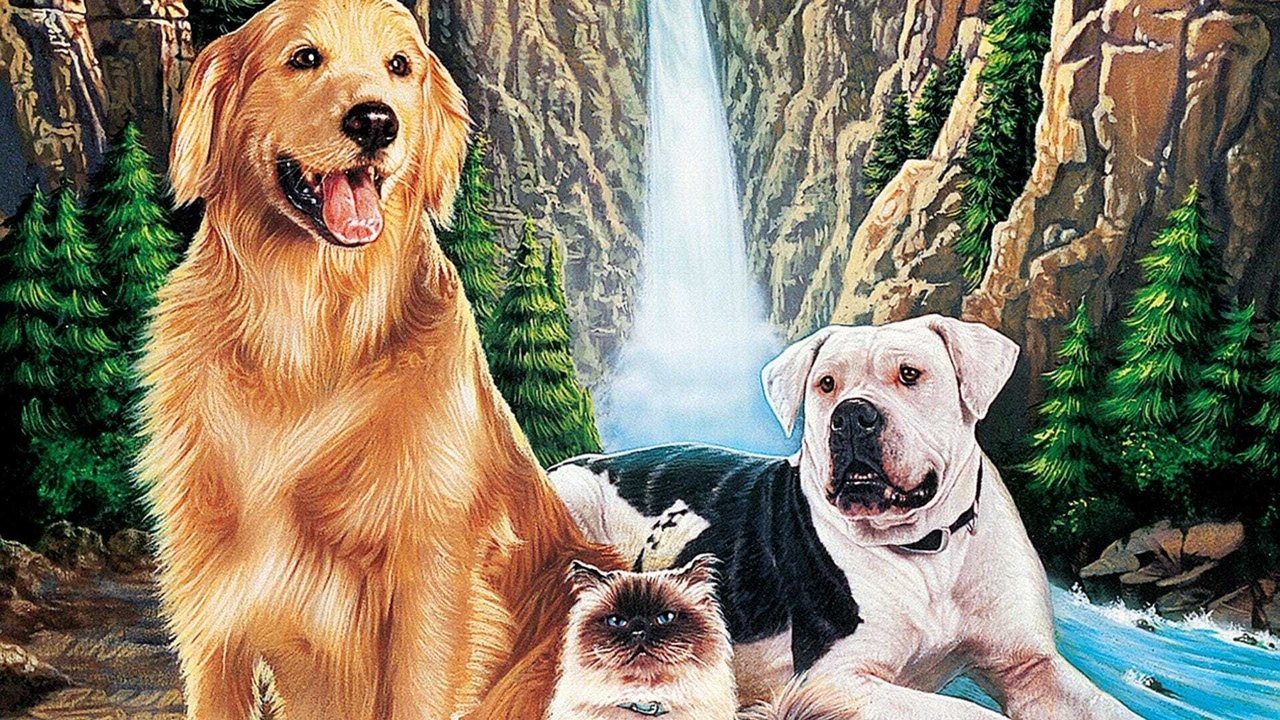
If your kids are starting to recognize his voice from other classics, it might be worth looking at the Michael J. Fox family movie legacy to see how his roles often center on this exact kind of grit and heart. Pairing his high-energy performance with Sally Field’s dry, sarcastic Himalayan cat and Don Ameche’s soulful, weary golden retriever creates a family dynamic that feels earned. They bicker like siblings, which makes the moments where they actually protect each other land much harder.
The tension is the point
We need to talk about the "peril" mentioned in the ratings. This isn't "peril" in the way a cartoon villain is scary. It’s the Sierra Nevada mountains being indifferent to the survival of a house cat. There are sequences involving a mountain lion and a porcupine that are genuinely stressful because the movie doesn't shield the viewer from the fact that these animals are out of their element.
It’s the ultimate lesson in resilience, which we cover in our deeper look at why this 90s classic still resonates. The movie trusts kids to handle the "will they make it?" anxiety, and the payoff is one of the most famous endings in family cinema history. If you have a kid who is particularly sensitive to animals in distress, you might want to hover nearby, but for most, the tension is what makes the eventual reunion so cathartic.
How it compares
If your kids grew up on the fast-paced, joke-a-minute style of modern Disney or Illumination films, the first twenty minutes of Homeward Bound might feel like a documentary. It takes its time. It lets the scenery breathe. But once they enter the wilderness, the "ticking clock" of their journey usually hooks even the most restless viewers.
It’s a great bridge movie for kids transitioning from animated features to live-action adventures. It has the talking-animal hook they love, but the visual language is much closer to a "real" movie. If you’re looking for more ways to navigate the emotional highs and lows of this genre, check out our parent's guide to animal movies. Just make sure you have the tissues ready for the final ten minutes—even if you've seen it a dozen times, that last hill gets everyone.