

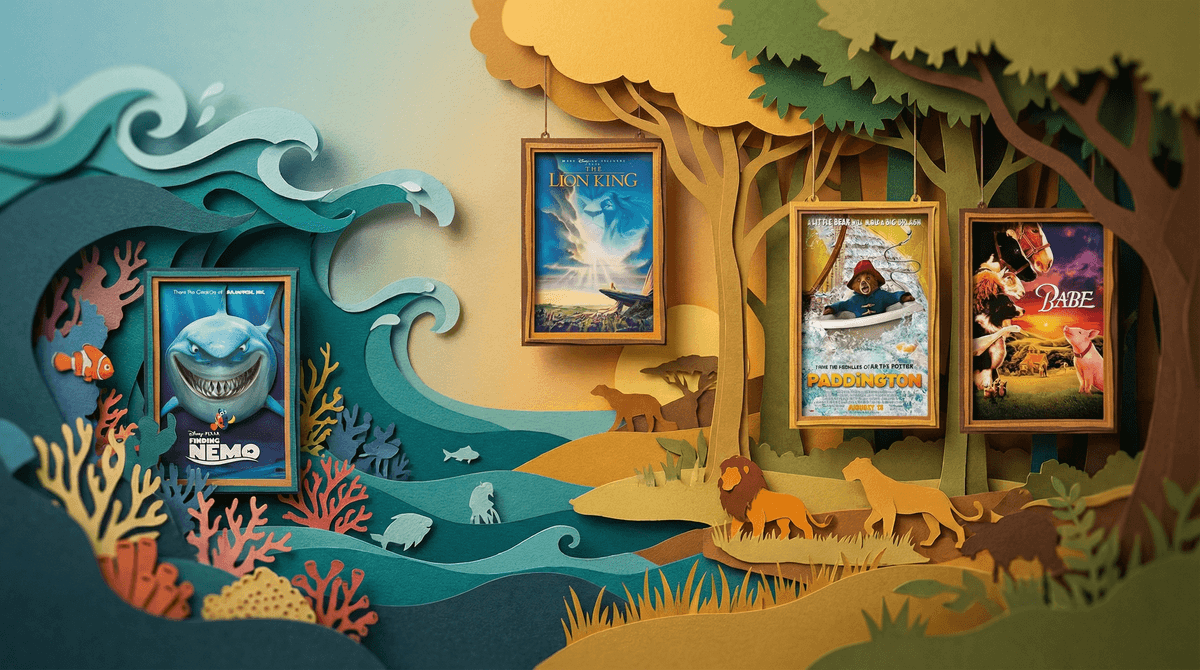
Look, we all know what animal movies are—films where animals are the main characters, whether they're talking CGI creatures, live-action pets on adventures, or animated woodland friends learning life lessons. But here's what parents actually need to know: animal movies are an emotional minefield.
These films have a special power to absolutely wreck your kid (and let's be honest, you too). They're also some of the most rewatchable, quotable, and genuinely beautiful films in the family movie canon. From The Lion King to Paddington, from Finding Nemo to Charlotte's Web, these movies teach empathy, friendship, loss, and courage—often all in the same 90 minutes.
Screenwise Parents
See allAnimal movies work because they're safe emotional practice. Kids can experience big feelings—grief, fear, joy, belonging—through characters that feel one step removed from their own lives. It's easier to cry about a pig who might become bacon than to process actual loss, you know?
Plus, animals are just inherently compelling. They're cute, funny, and unpredictable. Whether it's the chaos of Homeward Bound or the heart of Babe, there's something about watching animals navigate a world built for humans (or their own wild world) that's endlessly entertaining.
And let's not pretend this is just for kids. Adults get absolutely demolished by these films too. If you didn't cry during the first ten minutes of Up (yes, it counts—Dug is basically the emotional core), you might be a robot.
Here's the thing nobody tells you: not all animal movies are created equal in the trauma department. Some are gentle. Some will have your 6-year-old sobbing into your shirt for 20 minutes. Here's a rough guide:
Gentle/Minimal Sad Parts:
- Paddington & Paddington 2 (pure joy, honestly)
- Zootopia (some tension, no deaths)
- Ratatouille (food, rats, happiness)
- Kung Fu Panda (surprisingly wise, not devastating)
Moderate Emotional Moments:
- Finding Nemo (mom dies in first 5 minutes, then it's mostly adventure)
- Babe (some scary moments, but ultimately uplifting)
- The Incredibles (wait, not animals—but has a great dog-like character dynamic)
- Moana (grandma's death is handled beautifully)
Bring Tissues, Maybe Warn Them First:
- The Lion King (Mufasa. You know.)
- Charlotte's Web (the spider dies, it's about mortality, it's beautiful and awful)
- Bambi (literally invented animated trauma)
- My Dog Skip (real dog, real tears)
- Where the Red Fern Grows (just... prepare yourself)
Ages 3-5: Stick with the gentler options. Kids this age are still figuring out what's real and what's pretend, and animal deaths can feel very, very real. Paddington, Moana, and Zootopia are solid bets. Even Finding Nemo works if you're ready to answer questions about where Nemo's mom went.
Ages 6-8: This is prime animal movie age. They can handle more emotional complexity, but you'll still want to preview anything with significant death or loss. The Lion King is a rite of passage, but maybe watch it together the first time. Charlotte's Web is devastating but important—it's one of the best introductions to mortality in all of children's media.
Ages 9-12: They can handle pretty much anything now, though that doesn't mean they won't be affected. This is actually a great age to revisit some of the "sadder" classics and have deeper conversations about why these stories matter. Films like Homeward Bound or Hachi: A Dog's Tale can spark real discussions about loyalty, loss, and love.
The sad parts are actually the point. These movies teach kids that it's okay to feel big emotions, that loss is part of life, and that love is worth the risk of grief. Don't skip the hard parts or try to "fix" their sadness. Sit with it. Cry together if you need to.
Preview if you're unsure. Common Sense Media is your friend here. Or just text your group chat—someone's kid has definitely already watched it and can tell you if it's a sobfest.
Consider your kid's temperament. Some kids are deeply sensitive to animal suffering (even animated). Others can watch Bambi and be like "okay, what's for lunch?" You know your kid best.
Live-action hits different. Animated animal deaths are sad. Real dogs in peril? That's a whole other level. Be especially careful with live-action animal films for younger or more sensitive kids.
Talk about it after. Ask what they felt, what surprised them, what they're still thinking about. These movies are emotional education—help them process what they experienced.
Animal movies are some of the best family films ever made. They're funny, heartwarming, and yes, sometimes absolutely devastating. But that's what makes them valuable. In a world where we're all trying to raise emotionally intelligent humans, these films do some of the heavy lifting for us.
Just maybe keep the tissues nearby. And if your kid asks to watch Marley & Me, maybe suggest Paddington 2 instead. Trust me on this one.
Pro tip: After a particularly emotional animal movie, follow it up with something light. Paddington is basically the emotional palate cleanser of family cinema. You're welcome.