Shonen energy without the punching
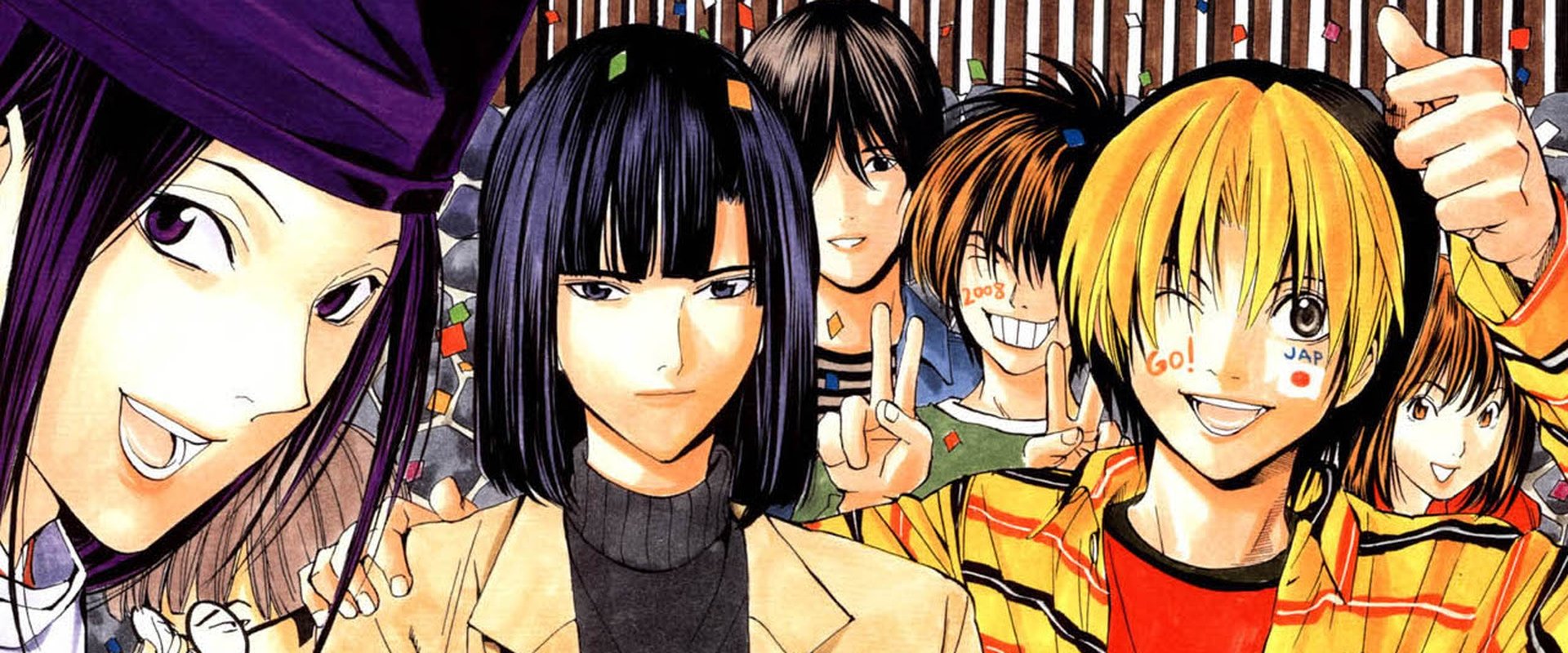
If your kid is used to the high-octane battles of modern hits, Hikaru no Go might feel like a culture shock at first. It’s technically a "shonen" series—the genre usually associated with super-powered fights and world-ending stakes—but here, the battlefield is a wooden board and the weapons are small stones.
What makes it work is the intensity. The show treats a high-level Go match with the same dramatic weight as a championship boxing match. You’ll see characters sweating over a single move, dramatic music swells when a stone hits the board, and internal monologues that make a 4,000-year-old game feel like a life-or-death struggle. It’s an incredible way to show kids that focus and intellectual mastery can be just as "cool" as physical strength.
The ghost in the room
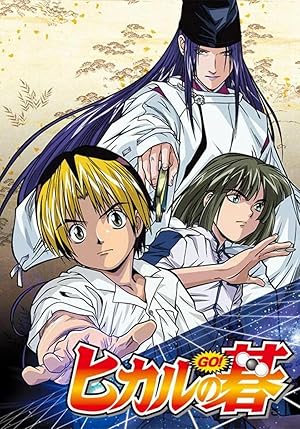
The central hook is the relationship between Hikaru and Sai, the ghost of a Heian-era Go instructor. While some parents might see "spiritism" in a content advisory and worry about horror, this is strictly a mentorship story. Sai isn't there to haunt anyone; he’s there because he’s a completionist who never reached the "Divine Move."
If you’ve seen the buzz around the unsettling visuals in The Summer Hikaru Died, know that this is the polar opposite. There is no body horror or existential dread here. Instead, it’s a story about a kid who starts out "cheating" by letting a ghost tell him where to move, only to realize he wants to earn his own victories. It’s a fantastic entry point for understanding the difference between anime and western animation, specifically how Japanese storytelling often blends the supernatural with everyday life without making it a "scary" story.
A 2001 time capsule
Let’s be real about the production: this show looks its age. This isn't the fluid, high-budget spectacle of modern studios. The animation is functional, the colors can feel a bit muted, and there are plenty of still frames where characters just stare intensely at the board.
For a kid raised on 4K digital animation, the first few episodes might feel slow. But if they stick with it, the 8.3 IMDb rating starts to make sense. The writing carries the weight that the animation doesn't. It’s a character-driven drama that rewards patience. If your kid is the type who gets obsessed with "solving" games—whether that’s Chess, Magic: The Gathering, or even complex deck-builders on Roblox—they will likely find the strategic depth addictive.
The "Go" effect
Be prepared: there is a very high probability your kid will ask for a Go board (a goban) after watching the first ten episodes. The show was actually credited with a massive real-world resurgence of the game among Japanese youth when it first aired.
The game itself is notoriously difficult to master, but the show does a decent job of explaining the basic "territory" concept without turning into a dry tutorial. It’s one of the few pieces of media that might actually result in your kid spending less time on a screen and more time staring at a physical board, trying to replicate the "Divine Move." It’s the ultimate "stealth-learning" show that values patience over instant gratification.