

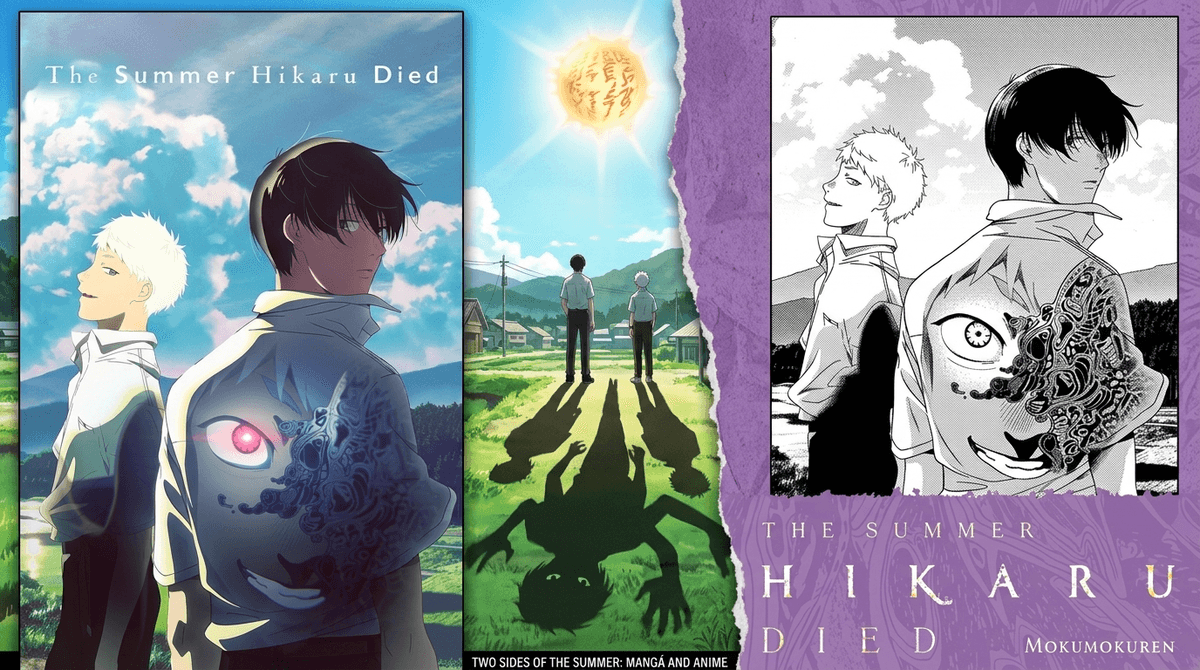
The Summer Hikaru Died is what happens when you take a classic "coming of age in a sleepy town" story and dissolve it in a vat of eldritch acid. Volume 6 is the latest entry in a series that has successfully jumped from a cult-favorite manga to a genuine cultural moment, thanks in no small part to the Netflix adaptation that’s currently dominating teen watchlists. If your kid is reading this, they aren't just looking for a ghost story; they’re deep in a psychological thriller about grief, identity, and the kind of body horror that makes you look twice at your own reflection.
TL;DR: The Summer Hikaru Died, Vol. 6 is a masterful, unsettling exploration of "The Thing" living in a dead boy's skin. It features intense body horror and heavy themes of codependent grief, making it a hit for fans of Stranger Things or Tokyo Ghoul. It’s visually stunning and emotionally taxing, best suited for older teens who can handle a story where there are no easy answers and the "monster" is the protagonist's best friend.
By the time readers hit Volume 6, the central "hook" is well-established: Hikaru went missing in the mountains, died, and was replaced by something else that looks exactly like him. His best friend, Yoshiki, knows the truth but is so devastated by the loss that he decides to keep hanging out with the entity anyway.
Volume 6 turns up the heat on the village’s dark history and the "Hikaru-thing’s" struggle to maintain its human shape. This isn't a "monster of the week" story; it’s a slow-burn tragedy about trying to love something that is fundamentally alien.
The "body horror" tag on this series isn't a suggestion—it’s the main course. Mokumokuren’s art style is famously detailed, and Volume 6 features some of the most ambitious visuals yet. We're talking:
- Anatomical Wrongness: Limbs that don't bend right, eyes appearing in places they shouldn't, and the "melting" effect when the entity loses its grip on Hikaru’s physical form.
- The Uncanny Valley: The series lives in that uncomfortable space where something looks 99% human, and the 1% that's missing is terrifying.
- Environmental Dread: The rural Japanese setting is a character itself—oppressive heat, buzzing cicadas, and the feeling that the forest is watching.
If your kid is into the "analog horror" vibes found on YouTube or the surrealist dread of Junji Ito’s Uzumaki, this is exactly their brand of tea.
Beyond the monsters, this series hits a nerve because it’s a massive metaphor for the "Identity Crisis" years.
- The "New" Hikaru: The entity is desperately trying to be Hikaru, but it’s constantly failing. It’s a literalized version of the "imposter syndrome" many teens feel while trying to figure out who they are.
- The Grief Loop: Yoshiki’s refusal to let go of the "fake" Hikaru is a raw look at how grief can make people do irrational, even dangerous, things. It’s a heavy, honest depiction of emotional codependency.
- Queer Subtext: There is a deep, yearning romantic tension between Yoshiki and the entity-as-Hikaru. It adds a layer of "forbidden" complexity that makes the emotional stakes feel much higher than a standard horror flick.
You’ll see this series all over TikTok and Discord for a few reasons:
- The "Edit" Culture: The high-contrast, black-and-white art is perfect for those "aesthetic" edits on social media.
- Theory Crafting: Volume 6 drops significant breadcrumbs about the village rituals. Fans on Discord spend hours dissecting panels to figure out what the "God" of the mountain actually is.
- The Netflix Boost: Now that there’s a show, the manga has become the "I read it before it was cool" badge of honor.
If your kid has already blitzed through Volume 6 and is waiting for the next drop, here’s how to keep that momentum going with similar vibes:
This is the gold standard for "I am becoming a monster and it’s a bummer." It shares the same DNA of body horror mixed with intense psychological drama.
For the "small town with a dark secret" and "eldritch entity from another dimension" fix. It’s less internal than Hikaru, but the atmospheric dread is a match.
If they like the specific dynamic of a human having to coexist with an alien entity that has taken over a body, this is the classic version of that story. It’s more action-oriented but hits the same philosophical notes.
You don't need to read all six volumes to have a real conversation about this. The best entry point is the "Replacement" theme.
Ask them: "If you could have a perfect copy of someone you lost, but you knew it wasn't really them, would you want it?"
That’s the question Yoshiki is struggling with, and it’s the heart of why the series is so compelling. It turns a horror manga into a conversation about the value of truth versus the comfort of a lie.
Q: What age is The Summer Hikaru Died appropriate for? It’s generally aimed at older teens (15+). While it lacks explicit sexual content, the graphic body horror and the heavy psychological themes of death and codependency are intense.
Q: Is the Netflix show different from the manga? The Netflix show follows the manga closely but adds sound design and color that can make the horror feel more "immediate." Many fans prefer the manga (like Volume 6) because the black-and-white art allows the imagination to fill in the more gruesome details.
Q: Are there content warnings for Volume 6? Yes: graphic body horror (deformations, eyes, blood), themes of grief/loss, and some intense emotional manipulation. It’s a "dark" read, not a "fun" one.
Q: Is it better to read the manga or watch the show first? The manga is the original vision and moves at a slower, more atmospheric pace. If your kid likes to "solve" the mystery, the manga (up to Volume 6) gives them more clues to chew on.
Volume 6 of The Summer Hikaru Died is a high-water mark for the series. It’s weird, it’s gross, and it’s deeply human. If your teen is into it, they’re engaging with some of the best psychological horror on the market right now. It’s not "brain rot" content; it’s a complex piece of fiction that asks hard questions about what makes a person a person.
- Check out our best books for kids list for more teen-friendly graphic novels.
- Explore our digital guide for high schoolers to see how manga fits into current social trends.
- Find more series like The Summer Hikaru Died
