The architecture of a nightmare
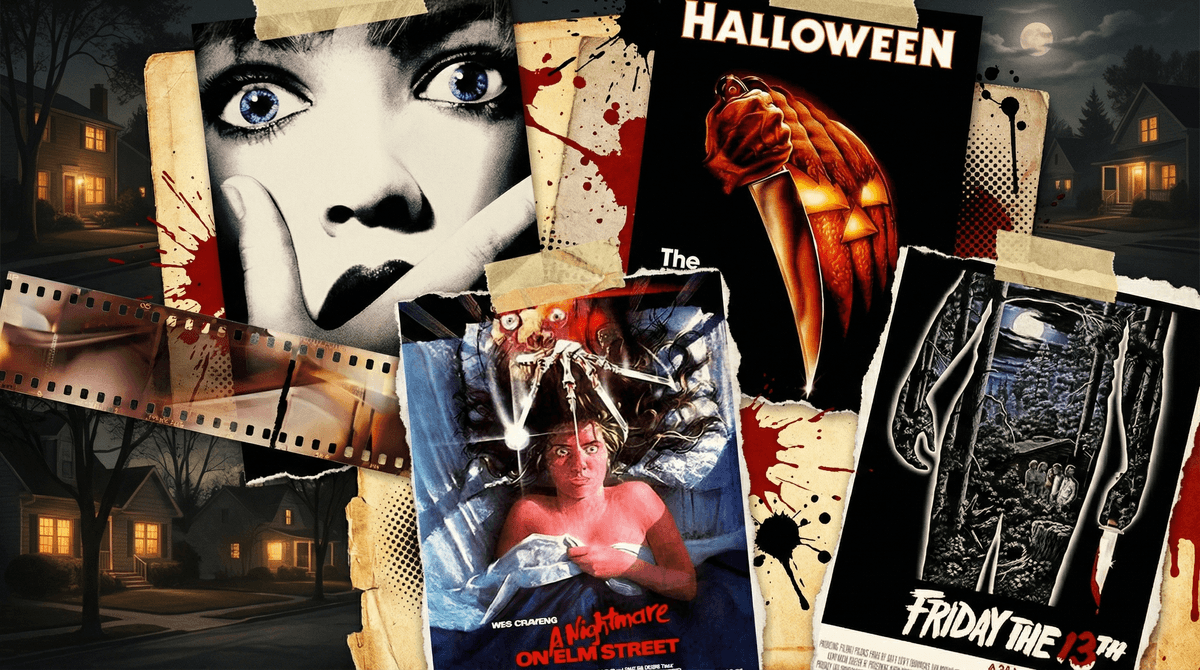
If you grew up with the sequels—the ones where Michael Myers is basically a supernatural tank—it’s easy to forget how surgical the original 1978 film is. This isn't a loud movie. It’s a quiet one. John Carpenter uses the camera to make you feel like you’re being watched from the bushes, behind a clothesline, or through a doorway. For a modern teen used to the frenetic editing of TikTok or high-budget CGI jumps, the pacing here might feel slow at first. But once the sun goes down in Haddonfield, the tension becomes suffocating.
The reason it holds a 97% on Rotten Tomatoes nearly half a century later isn't because of the body count. It’s because it understands that what you don't see is usually scarier. The "Shape" (as Michael is called in the credits) is often just a white mask barely visible in the corner of a dark room. It’s a masterclass in how to build dread without a massive budget, making it an essential watch for any kid who says they want to go to film school or work in production.
Blood vs. vibes
There is a common misconception that Halloween is a gore-fest. Compared to the modern reboots or the Saw franchise, it’s actually remarkably restrained. Most of the violence is suggested or happens just off-camera. You won't see the hyper-realistic prosthetics that define today’s horror.
However, the "Safe" score is low for a reason: the psychological weight is heavy. The film features a relentless, motiveless evil. There’s no "why" to Michael Myers, and that lack of logic is what sticks with you after the credits roll. If your teen is used to the more polished, jump-scare-heavy style of recent hits like M3GAN, this will feel like a different beast entirely. It’s less about being startled and more about feeling unsafe in your own house. Before jumping into the deep end of the R-rated classics, you might want to check out the scariest movies for 13 and 14 year olds to see if they’re ready for this level of sustained intensity.
The babysitter trope and the "Final Girl"
This is the movie that codified the rules we now see parodied in every horror comedy. Jamie Lee Curtis plays the "Final Girl"—the responsible, observant babysitter who survives while her more reckless friends do not. It’s worth talking about this dynamic with your teen. The film leans hard into the idea that "bad" behavior (pot smoking, teen sex) equals a death sentence. It’s a conservative morality play disguised as a thriller.
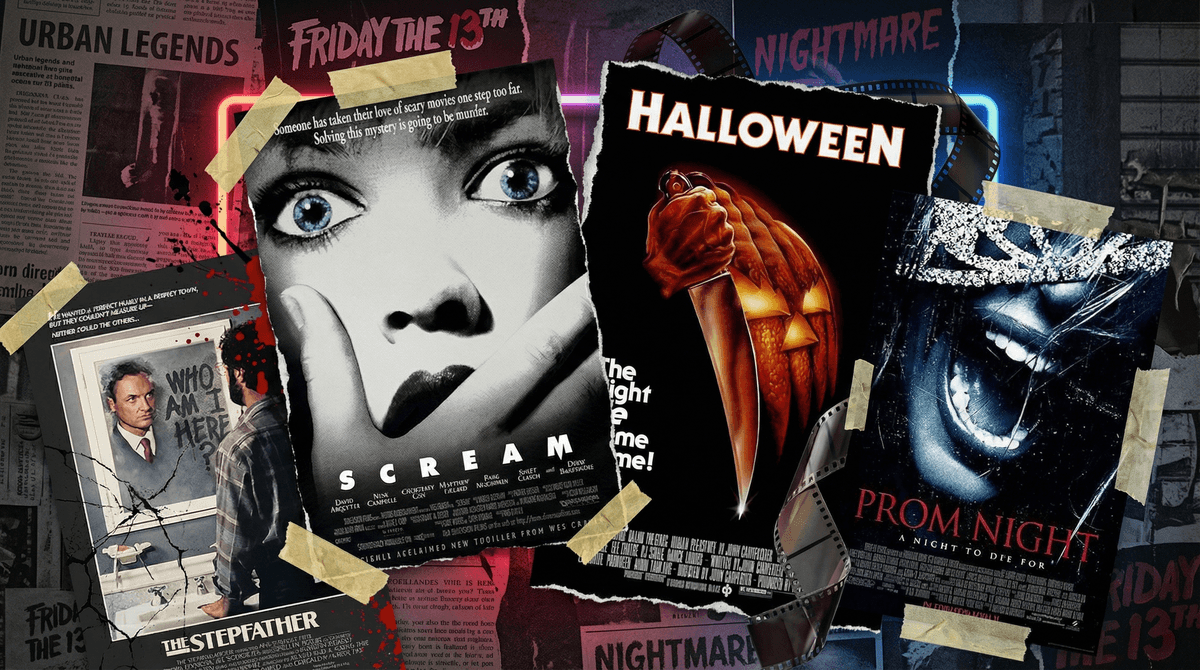
If your kid has already started asking about the genre because they saw a clip on social media, it’s helpful to put this in context with other icons. You can get a better sense of where this fits in the pantheon by looking at our guide on horror movies like Scream and Jason movies. Halloween is the foundational text for all of them.
How to watch it
Don't let them watch this alone on a phone with the lights on. If they are 16+ and ready for the genre, Halloween deserves the full "movie night" treatment. Turn the sound up—the score is the most important character in the film. That repetitive, 5/4 time signature piano theme is what creates the physical sensation of anxiety.
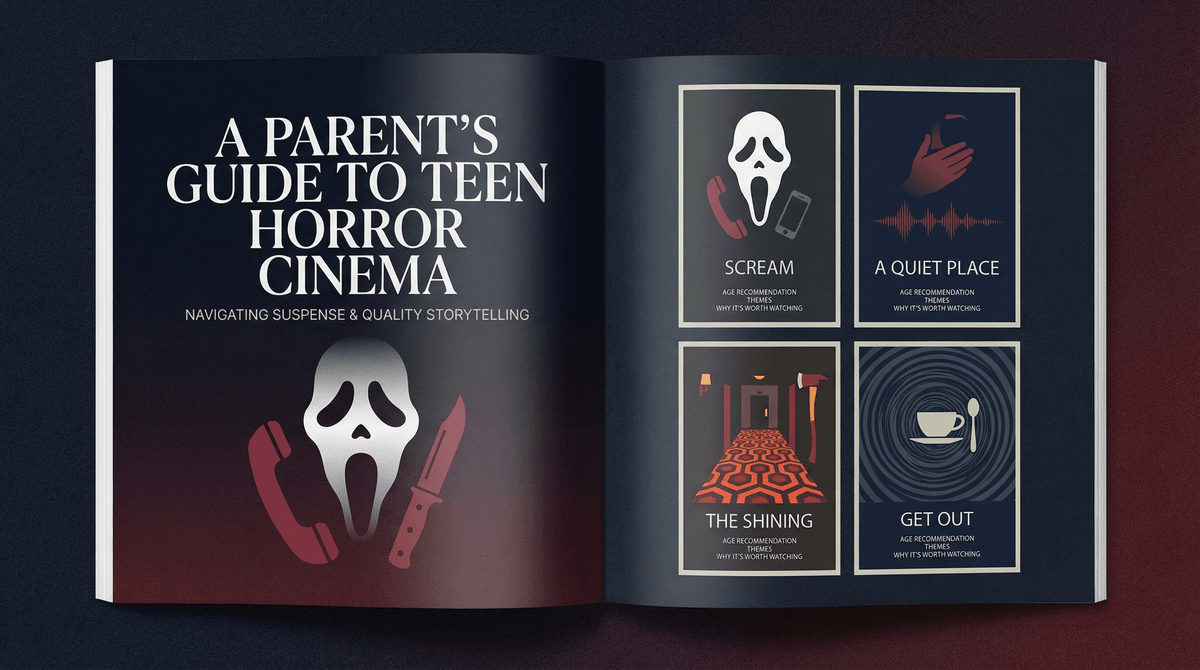
If they finish this and immediately want more, they’re officially a horror fan. At that point, you can start navigating the best teen horror movies of all time to find the right follow-up. Just be prepared: after this, they’ll be double-checking the locks on the front door for at least a week.