

The Scariest Movies for 13- and 14-Year-Olds: A Parent's Guide to Age-Appropriate Horror
Your teen wants to watch scary movies, and honestly? This is a totally normal developmental milestone. Here are the best gateway horror films that deliver genuine scares without traumatizing content:
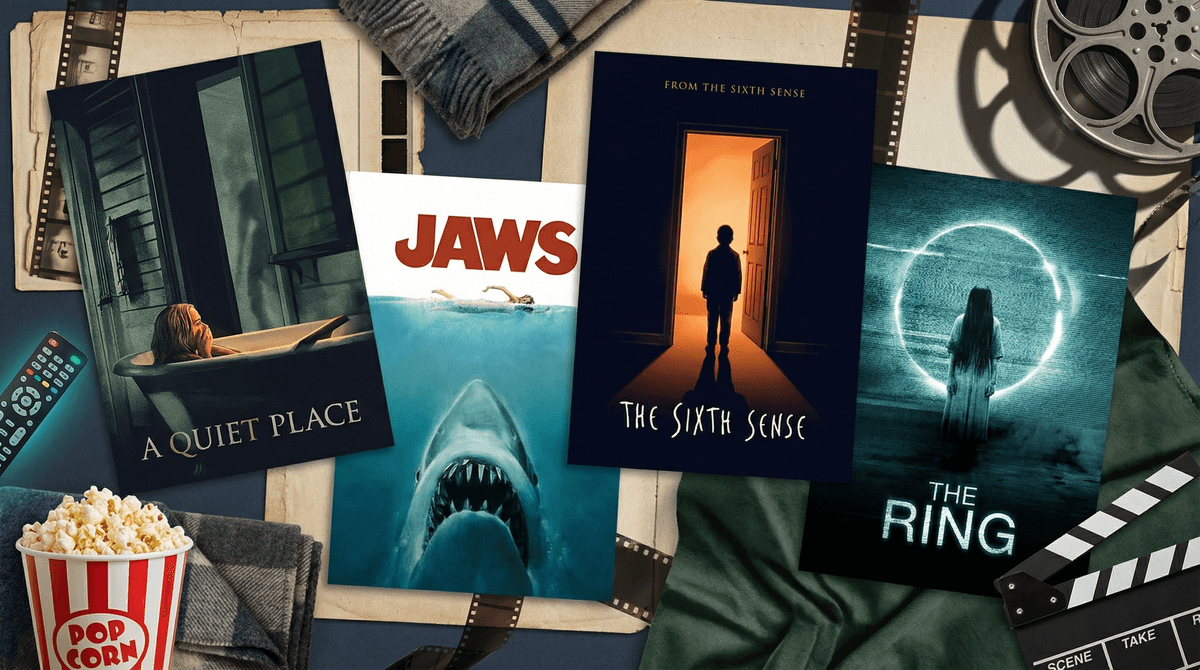
Best starter scares: A Quiet Place, Jaws, The Sixth Sense
Screenwise Parents
See allClassic creature features: Gremlins, Tremors, Arachnophobia
Psychological thrillers: The Others, Get Out, Signs
For the brave ones: The Ring, Insidious, Scary Stories to Tell in the Dark
Around 13-14, kids start actively seeking out things that make them feel scared in a controlled environment. It's not weird or concerning—it's actually a healthy way for them to explore intense emotions, test their limits, and feel more grown-up. Horror movies provide a safe space to experience fear, practice emotional regulation, and bond with friends over shared experiences.
Plus, let's be real: watching scary movies is a major social currency in middle school. Your kid doesn't want to be the only one who hasn't seen whatever everyone's talking about at lunch.
The challenge? The horror genre is absolutely massive, ranging from PG-13 jump-scare fests to genuinely disturbing content that even adults find hard to watch. And the MPAA rating system is... not great at distinguishing between "fun scary" and "therapy-inducing scary."
Before we dive into recommendations, here's what works well for this age group:
Tension over gore: Movies that build suspense and atmosphere rather than relying on graphic violence. Think creeping dread, not slasher films.
Clear rules and logic: Films where the threat follows consistent rules (like A Quiet Place's sound-based monsters) are less psychologically disturbing than random, chaotic violence.
Supernatural over realistic: Ghosts and monsters feel safer than home invasions or serial killers. Kids this age can separate "that's not real" from "that could actually happen."
Some levity: A bit of humor or lighter moments helps break tension and makes the experience less overwhelming.
Satisfying resolution: Movies where good triumphs (or at least makes sense) are better starting points than bleak, nihilistic endings.
A Quiet Place (2018)
Ages 13+
This is genuinely the perfect first "real" horror movie for most teens. It's PG-13, incredibly tense, and scary as hell—but it's about a family working together to survive. The scares come from suspense and jump scares, not gore. The monsters follow clear rules (they hunt by sound), which makes it feel less random and more like a puzzle to solve. Plus, it's actually a really good movie with emotional depth beyond just the scares.
Parent note: There are a few intense moments and one particularly sad scene involving a child early on. Preview it if your kid is sensitive to family peril.
Jaws (1975)
Ages 12+
The OG summer blockbuster is still an absolute masterclass in building dread. Most of the horror comes from what you don't see—Spielberg's mechanical shark barely worked, so he created tension through music, perspective, and your imagination. There's some blood and a few shocking moments, but nothing gratuitous by modern standards. Bonus: it's a genuinely great film that holds up 50 years later.
Why it works: The threat is contained (don't go in the ocean), the heroes are competent adults, and there's plenty of humor mixed with the scares.
The Sixth Sense (1999)
Ages 13+
More creepy than terrifying, this psychological thriller is perfect for kids who want something spooky but aren't ready for intense jump scares. The ghosts are unsettling rather than gory, and the emotional story about a kid dealing with his abilities is genuinely moving. Plus, even if your teen knows the twist (and they probably do from internet osmosis), it's still effective.
Watch for: A few disturbing ghost images, including a hanging victim and a gunshot wound. Not graphic, but startling.
Gremlins (1984)
Ages 12+
This PG movie literally created the PG-13 rating because it was too intense for PG but not quite R-rated. It's got genuine scares, dark humor, and practical effects that still hold up. The gremlins are menacing but also kind of funny, which takes the edge off. Just know that it gets surprisingly violent for a movie about cute fuzzy creatures.
Heads up: A dog dies off-screen (you hear it), and there's a surprisingly dark monologue about Santa Claus that might ruin Christmas for younger siblings.
Tremors (1990)
Ages 12+
Giant underground worms terrorize a small desert town. This is pure popcorn entertainment—scary enough to be thrilling, funny enough to keep things light, and the human characters are so likable you actually care if they survive. It's basically the perfect "scary movie party" film.
Arachnophobia (1990)
Ages 13+
If your kid isn't terrified of spiders, this is a blast. If they are terrified of spiders... maybe skip it. It's more thriller than horror, with plenty of humor and a clear "us vs. them" setup. The spiders are the threat, not humans, which makes it feel safer.
The Others (2001)
Ages 13+
A gothic ghost story starring Nicole Kidman that builds atmosphere and dread without relying on jump scares or gore. It's genuinely creepy and has a twist ending that recontextualizes everything. Perfect for kids who like mysteries and don't need constant action.
Why it's great: The scares are psychological, the cinematography is beautiful, and it treats its audience intelligently.
Get Out (2017)
Ages 14+
This is R-rated, but it's an important film that uses horror to explore racism in America. The violence is relatively minimal (especially compared to typical horror), and the scares come from mounting paranoia and social discomfort. It's the kind of movie that sparks great conversations afterward.
Parent note: There's some strong language and a few disturbing images (the sunken place, hypnosis scenes). Watch it with your teen and talk about it afterward—the social commentary is the whole point.
Signs (2002)
Ages 13+
M. Night Shyamalan's alien invasion thriller is more about a family dealing with grief and faith than about aliens, but the tension is real. The scares are earned through atmosphere and a few well-placed jump moments. It's PG-13 and surprisingly thoughtful.
Watch for: The birthday party video scene is genuinely terrifying and has become iconic for a reason.
If your teen has watched everything above and wants something genuinely scary, here are the next-level options:
The Ring (2002)
Ages 14+
The American remake of the Japanese horror classic is PG-13 but absolutely terrifying. The premise—watch a cursed videotape and die in seven days—is simple and effective. The imagery is deeply unsettling (the girl coming out of the TV is nightmare fuel), but there's minimal gore. This is pure atmospheric dread.
Real talk: This movie gave an entire generation nightmares. Don't let younger siblings watch it, and maybe preview it yourself first.
Insidious (2010)
Ages 14+
PG-13 and genuinely scary, this supernatural thriller about a family dealing with demons and astral projection is intense. The first half builds tension masterfully, and the second half delivers on scares. The demon design is truly creepy, and there are several jump scares that work even when you're expecting them.
Why it works: The family dynamics feel real, the rules of the supernatural world are clear, and it doesn't rely on gore.
Ages 13+
Based on the beloved (and nightmare-inducing) book series, this PG-13 film brings those iconic illustrations to life. It's set in 1968 and follows a group of teens investigating a haunted house. The creature designs are fantastic and genuinely disturbing, but the violence is relatively tame.
Nostalgia bonus: If you read these books as a kid, watching the movie with your teen is a great bonding experience.
Some movies are constantly recommended for teens but are actually too intense for most 13-14-year-olds:
The Conjuring: Genuinely terrifying, even for adults. The possessed doll, the clapping game, the exorcism—it's all too much for most young teens. Save it for 16+.
Hereditary: This is not a teen movie. It's deeply disturbing psychological horror with graphic imagery and themes that are way too heavy for this age group.
It (2017): Despite being popular with teens, the child violence and Pennywise's intensity make this better suited for 15+. The book is even more intense.
Most slasher films: Halloween, Friday the 13th, Nightmare on Elm Street—these are classics, but the graphic violence and sexual content make them better for older teens.
Start during daylight: Watching at 2pm hits differently than 11pm. Build up tolerance before late-night viewing.
Establish a safety signal: Let your teen know they can say "pause" or leave the room anytime, no judgment. You can also agree on a code word that means "this is too much."
Watch together first: For anything you're unsure about, preview it yourself or watch it with your teen the first time. Your presence makes it less scary and opens up conversation.
Talk about the filmmaking: Discussing how jump scares work, how music builds tension, or how practical effects are created can make the experience less scary and more educational. Understanding how horror movies are made demystifies the fear.
Debrief afterward: Talk about what was scary, what worked, what didn't. This helps process the experience and reinforces that it's fiction.
Use Common Sense Media: Before committing to any movie, check Common Sense Media for detailed content breakdowns. They list specific scenes and themes so you can make informed decisions.
For 13-year-olds: Stick with PG-13 movies that rely on suspense over gore. A Quiet Place, Jaws, and Gremlins are perfect starting points.
For 14-year-olds: If they've handled PG-13 horror well, you can start introducing some R-rated films with minimal gore like Get Out. Pay attention to what specifically bothers them—some kids handle supernatural horror better than realistic violence, or vice versa.
Red flags to watch for:
- Trouble sleeping or nightmares
- Increased anxiety or jumpiness
- Obsessive thoughts about scary content
- Wanting to watch increasingly extreme content rapidly
If you notice these, pump the brakes and stick with lighter fare for a while.
Your teen's friends are watching stuff, and they don't want to be left out. This is real and valid. Here's how to navigate it:
Acknowledge the social reality: "I know everyone's talking about The Conjuring, and it's hard to be the only one who hasn't seen it."
Offer alternatives: "How about we work up to that? Let's try Insidious first and see how you handle it."
Empower them to make their own call: "You know yourself best. If you're watching at a friend's house and it's too much, it's totally fine to step out or text me to pick you up early."
Don't shame their interest: Wanting to watch scary movies doesn't mean something's wrong with your kid. It's developmentally normal.
Horror movies are a rite of passage, and there are plenty of age-appropriate options that deliver genuine scares without traumatic content. Start with PG-13 thrillers that build suspense, watch together when possible, and pay attention to your individual kid's tolerance and maturity level.
The goal isn't to shield them from all scary content—it's to help them build resilience, learn their own limits, and develop media literacy about how stories create emotional responses. Plus, watching scary movies together can be genuinely fun bonding time.
Start with A Quiet Place or Jaws, see how it goes, and adjust from there. And remember: if they have nightmares, you can always fall back on watching something cozy to reset.
Not sure where to start? Check out our guide to thriller movies for tweens and teens for less intense options.
Want to understand your teen's horror tolerance? Find out if your teen is ready for horror movies about your specific situation.
Looking for Halloween viewing? We've got a whole guide to Halloween movies for every age.