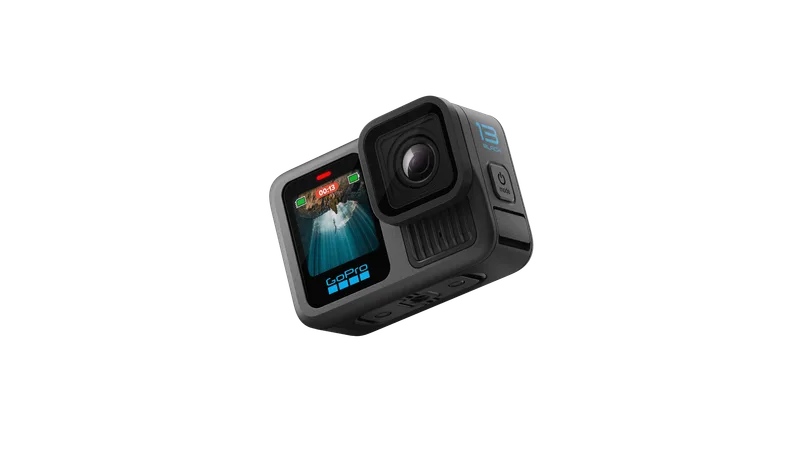
Hardware Built for the Dirt, Not the Feed
Most modern consumer hardware pulls kids inward toward a glowing screen. GoPro hardware works in reverse: it only becomes interesting when a kid is riding, jumping, building, or swimming out in the real world. The physical durability is well-earned. Rubberized casings, replaceable lens covers, and native waterproofing mean parents don't need to hover nervously while a seven-year-old straps a camera to a scooter frame.
For families aiming to build creative technical skills—understanding camera angles, lighting, timing, and basic editing—a compact model like the baseline HERO is far better suited to the job than an old smartphone. You get crisp high-definition recording and built-in stabilization without exposing a kid to browser access, app stores, or algorithmic feeds.
Managing the Offload
While pushing the top shutter button to record is dead simple, managing the resulting media takes effort. High-resolution footage fills micro SD cards rapidly. Expect to help younger kids with card readers and file transfers onto a computer or external drive, as well as introducing them to basic desktop editing programs like GoPro Quik or iMovie.
The key boundary conversation for parents revolves around distribution. Once kids compile a highlight reel, their immediate impulse is often to share it publicly. Establishing clear family guidelines—such as saving edits to a shared private cloud folder rather than uploading to YouTube—keeps the focus on the craft of creative filmmaking rather than chasing public views.