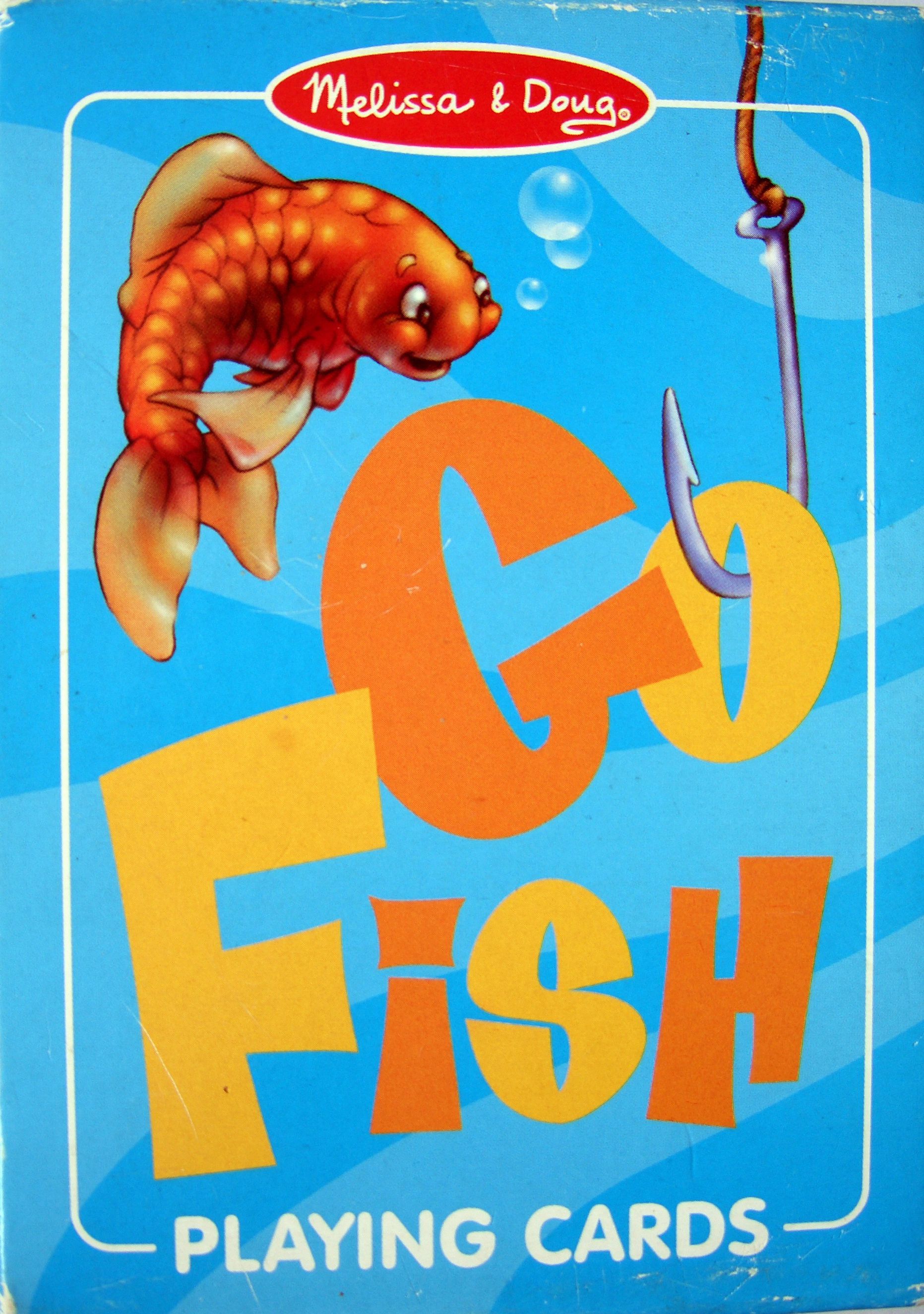
The Gateway Game
There is a reason Go Fish has survived for generations despite being objectively simple. It is a social engine. For a five-year-old, the act of looking an adult in the eye and demanding a specific card—and then potentially being told 'no'—is a significant developmental milestone. It's one of the first times they engage in a structured back-and-forth that isn't just following a command.
Memory is the Secret Sauce
While it looks like a game of luck, it's actually a stealth memory test. To play well, you have to track the 'failed' requests of other players. If Sarah asked Dad for 4s and he said 'Go Fish,' you now know Sarah has at least one 4. That’s the first seed of deductive reasoning being planted in a kid's brain.
When to Move On
You'll know it's time to retire the deck when your kid starts winning every single time because their memory is sharper than your caffeine-addled one. At that point, they have outgrown the mechanics. Move them to Old Maid for a similar vibe with a 'loser' mechanic, or jump straight to Sushi Go! if you want to introduce them to the modern world of card drafting.
If you're playing with a standard deck of 52 cards, it's also a great time to teach them Crazy Eights or War, though Go Fish remains the best for pure social interaction.