Why this 90s drama still lands today
If your kid is used to fast-paced animated comedies, the opening of Fly Away Home might feel like a shift. It starts quietly with a devastating highway crash in New Zealand, waking 13-year-old Amy (Anna Paquin) in a Canadian hospital with an estranged father (Jeff Daniels) who smells like barn dirt and welding sparks. There are no quips, no pop music drops, and no instant bonding moments.
Where the film hits its stride is in the pure biology and mechanics of animal imprinting. When bulldozers clear a nearby marsh for development, Amy salvages a nest of abandoned Canada goose eggs. When they hatch, she becomes their mother figure by default. The problem: hand-raised geese don't know where or how to migrate south for winter, and state law forbids keeping un-clipped wild birds.
Real planes, real geese, zero green screens
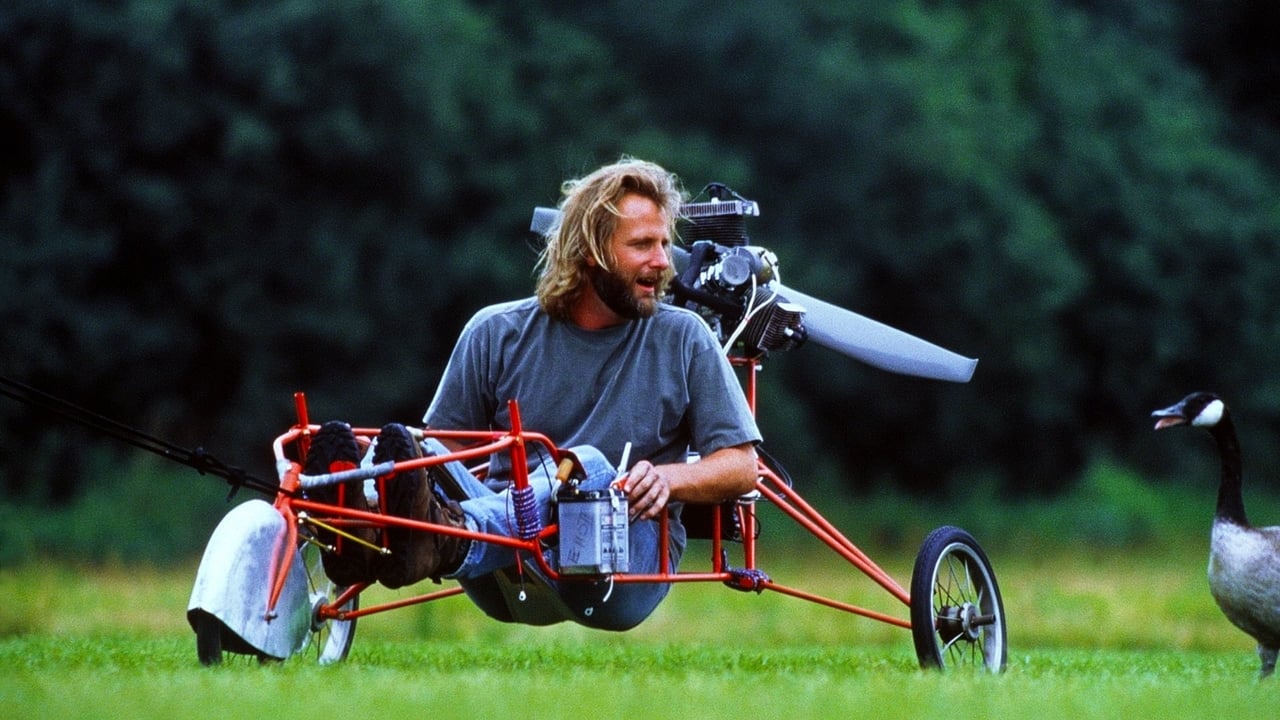
What sets Fly Away Home apart from modern CGI creature features is its physical reality. The filmmakers imprint-trained flocks of Canada geese to fly alongside actual ultralight aircraft piloted by human stunt crew. When you see a wall of geese flying wingtip-to-wingtip with a yellow plane shaped like a giant goose head, your eyes register that it actually happened in real sky.
"The director, Carroll Ballard, understands that nature isn't a theme park. It demands patience, dirty hands, and attention to detail."
For kids interested in wildlife, flight, engineering, or animal rescue, this is top-tier material. It shows the tedious, iterative work of building a custom aircraft, testing radio headsets, and running trial flights across fields before attempting a 600-mile journey.