The Anatomy of a Six-Episode Panic Attack
Most anime shows stretch their premises across dozens of episodes to sell merchandise or fill broadcast slots. FLCL (originally released in 2000 by Gainax and Production I.G) did the opposite: six episodes, zero dead air, and enough animation ideas for three full seasons.
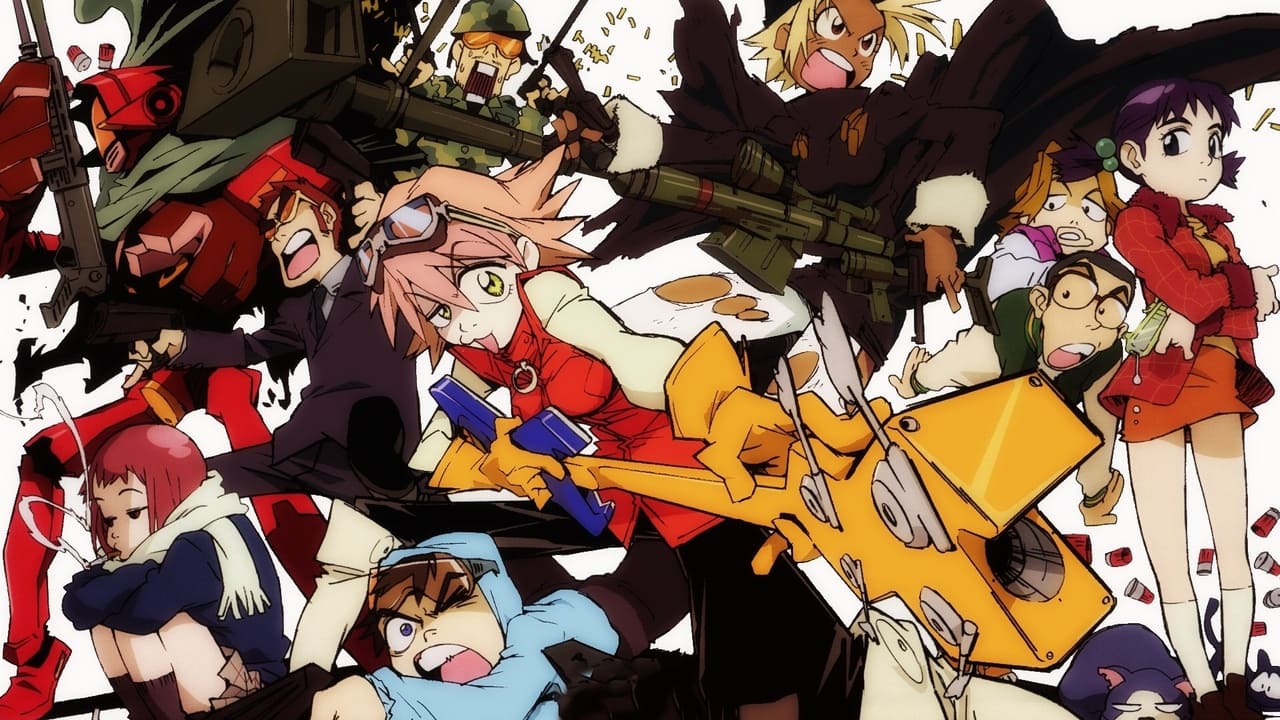
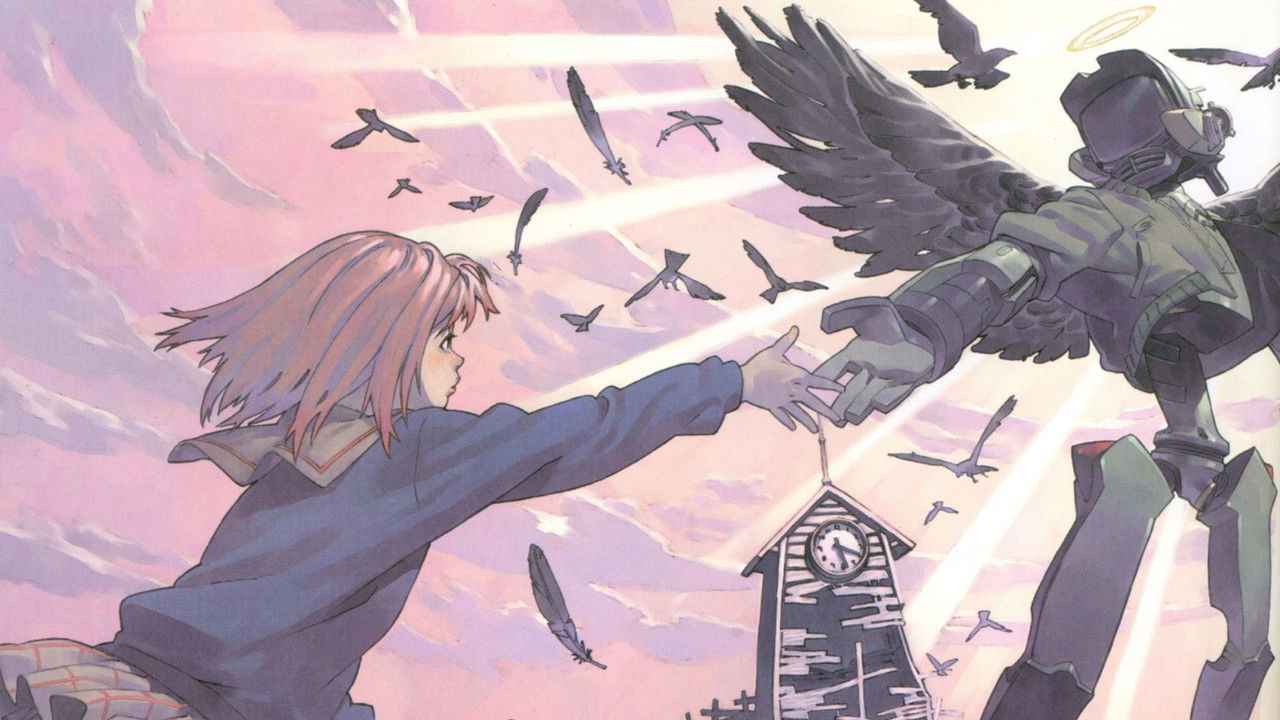
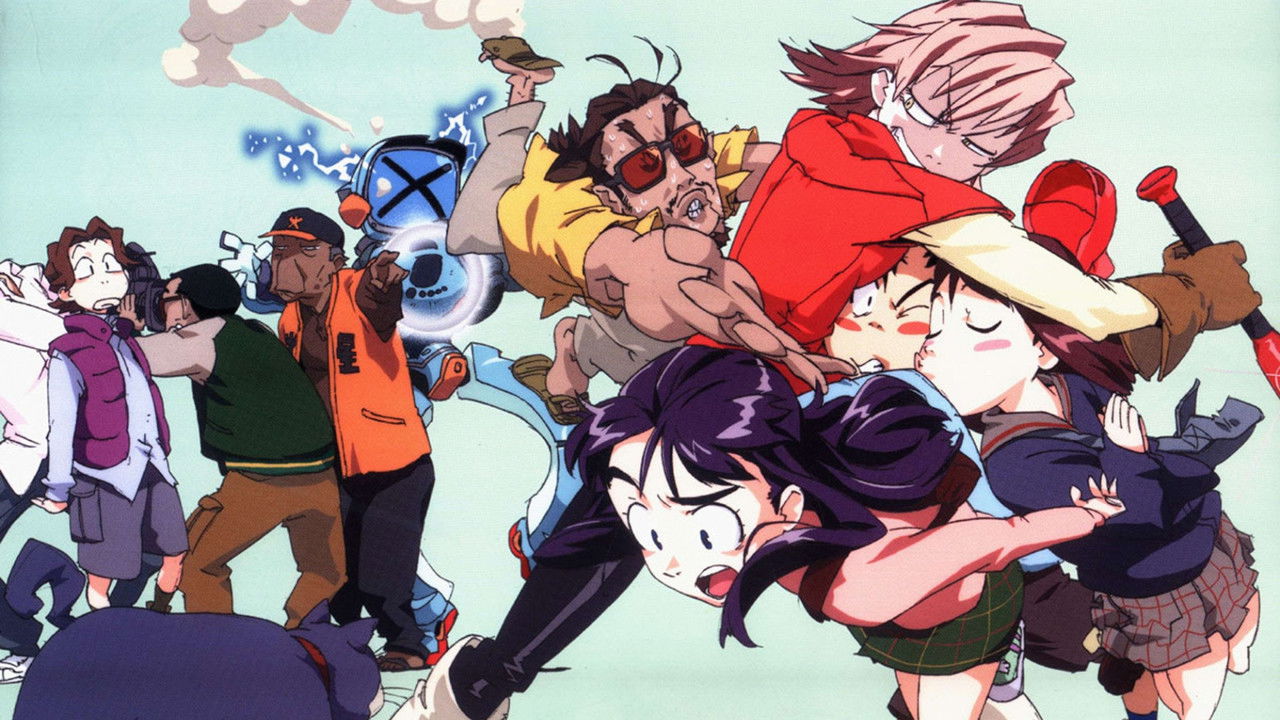
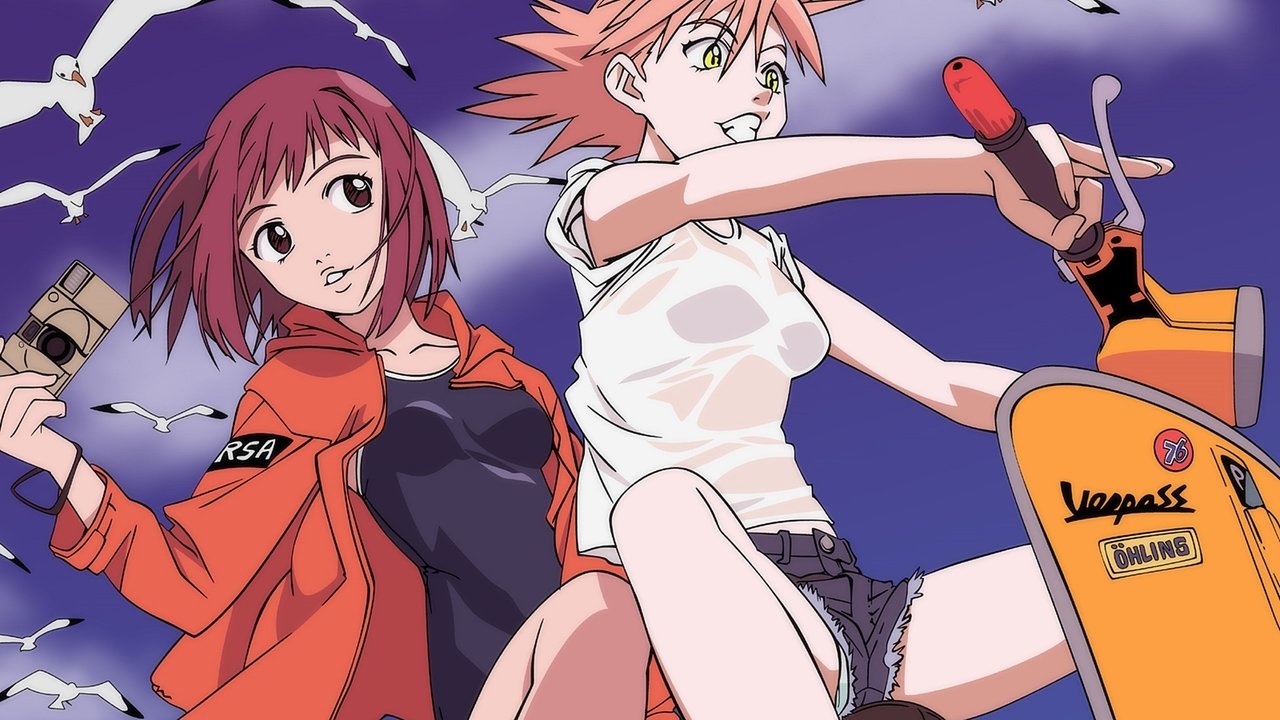
At the center is Naota Nandaba, a sixth-grader in a dull industrial town dominated by an iron-shaped Medical Mechanica factory. His older brother left for America to play baseball, leaving behind an emotionally adrift high school girlfriend, Mamimi, who clings to Naota out of grief. Then Haruhara Haruko arrives on a yellow Vespa, hits Naota in the skull with a left-handed Rickenbacker 4003 bass guitar, and tears his reality open. Robots start erupting from the horn growing out of his forehead.
Why the Metaphors Work
If you take FLCL literally, it is complete nonsense. If you watch it as an exaggerated rendering of male puberty, every single frame snaps into place.
- The physical awkwardness: Horns sprouting, sudden bodily transformations, and public embarrassment translate the sheer physical discomfort of growing up into kaiju battles.
- The performance of maturity: Naota constantly sips sour drinks he hates and claims he is mature, while the adults in his house act like juvenile creeps. He is desperate to be an adult before he even understands what being a kid was.
- The Pillows: The soundtrack does heavy lifting. Instead of traditional orchestral scoring, the producers licensed tracks from Japanese alternative rock outfit The Pillows, turning the entire mini-series into something resembling an extended indie music video.
The Real Watch-Outs for Parents
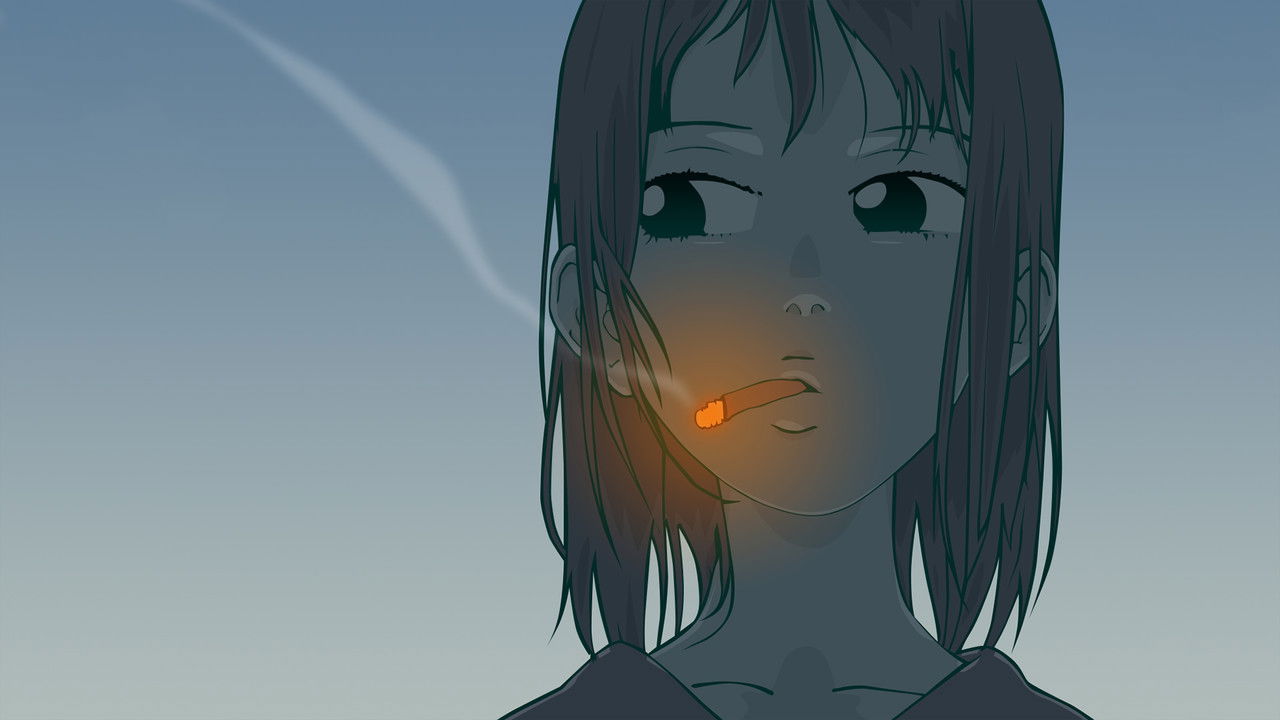
This is not a clean, gentle coming-of-age story. Mamimi's flirtation with Naota is deliberately uncomfortable, meant to show how older teenagers can exploit younger kids when they are lonely. Naota's father is a walking midlife crisis who makes inappropriate jokes about young women.
If your kid is already into shows like Neon Genesis Evangelion or Mob Psycho 100, FLCL will fit right into their wheelhouse. Co-watching is the best play here, partly to laugh at the absurd manga parody scenes, and partly to talk through the emotional mess underneath.