The Urkel-ization of the American Sitcom
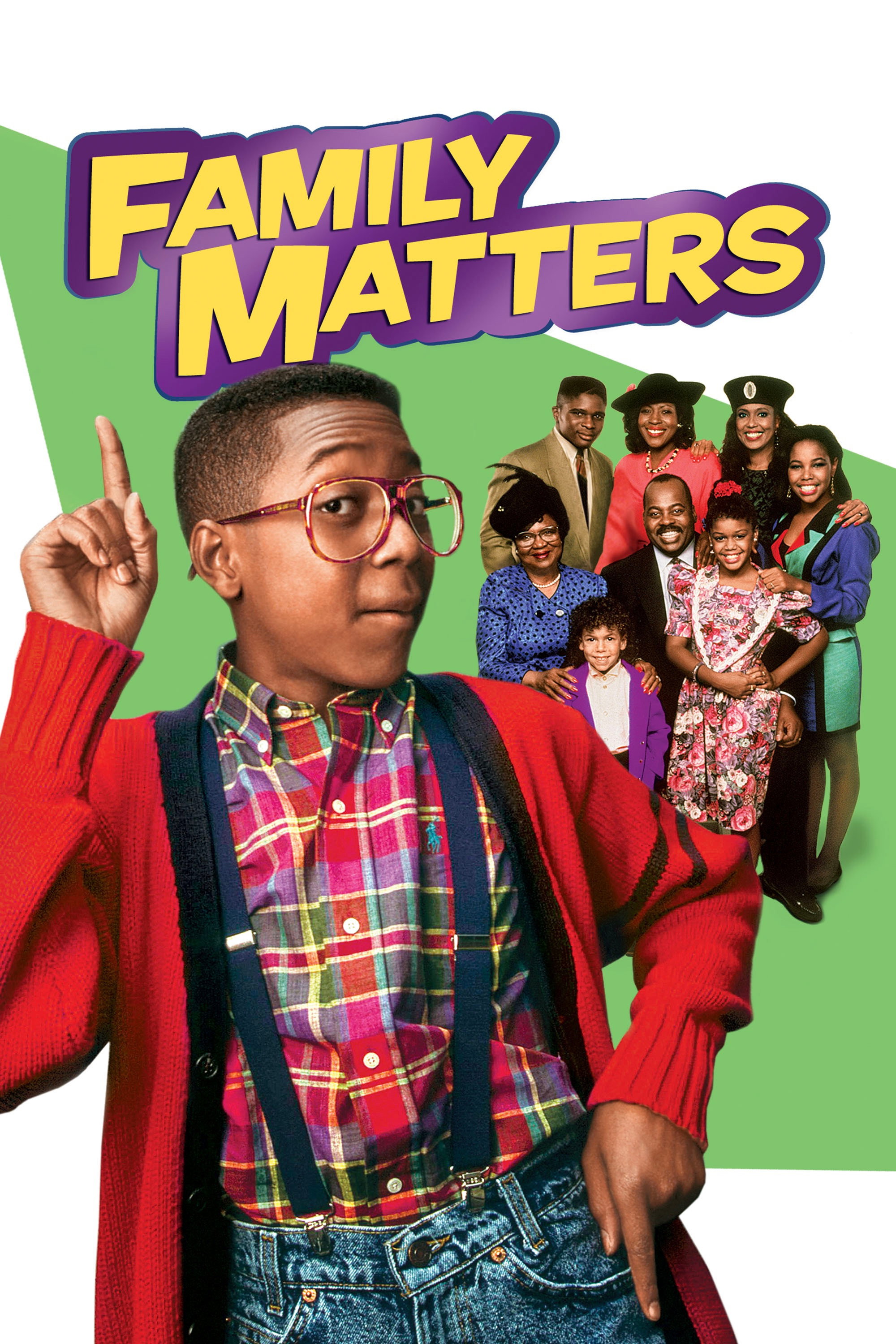
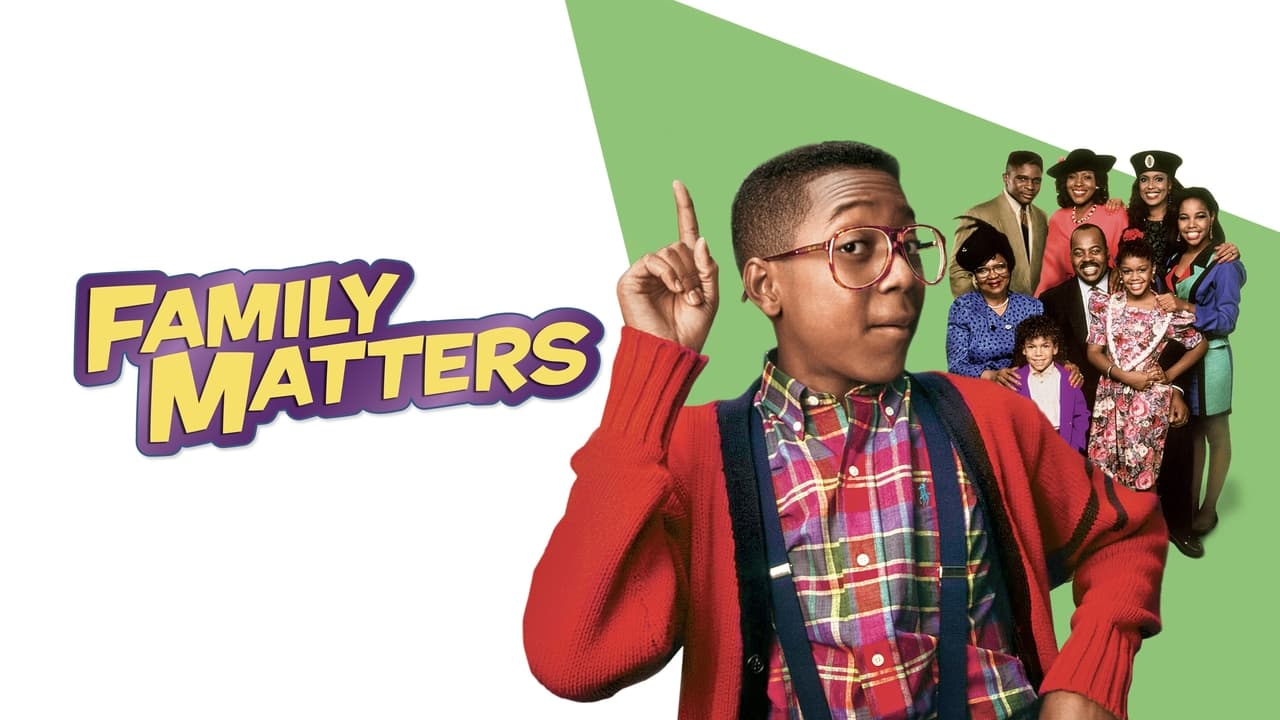
If you watch the first season of Family Matters, you’re watching a grounded, middle-class domestic comedy about a Chicago cop and his family. It’s essentially a different show than the one that became a global phenomenon. Once the neighbor, Steve Urkel, became the breakout star, the show ditched its realism for high-concept absurdity.
By the middle seasons, the writers stopped caring about logic. Steve wasn't just a clumsy nerd; he was a literal mad scientist building transformation chambers and teleportation devices. This shift is the only reason a modern kid might stay tuned for more than five minutes. The "Stefan Urquelle" episodes—where Steve transforms himself into a suave, cool version of himself—are the peak of this weirdness. If you’re going to try to sell this to your kids, start with the sci-fi episodes. The standard "Eddie gets a speeding ticket" plots from the early years will put them to sleep.
The Persistence Problem
We need to talk about the "Urkel and Laura" dynamic. In the 90s, we were taught that relentless pursuit was a sign of devotion. Today, it looks a lot more like a restraining order in the making. Steve’s refusal to accept "no" as an answer is the primary engine of the show’s comedy, but it’s a tough sell for kids who are being taught about boundaries in school.
If you decide to let this run in the background, it’s worth checking out Are Sitcoms Teaching Bad Behavior? What Parents Need to Know. The show uses a laugh track to signal that Steve’s behavior is harmless, but the actual actions—showing up uninvited, tracking her every move—are worth a quick "hey, that’s not actually okay" sidebar with your kids.
Better Ways to Do Retro
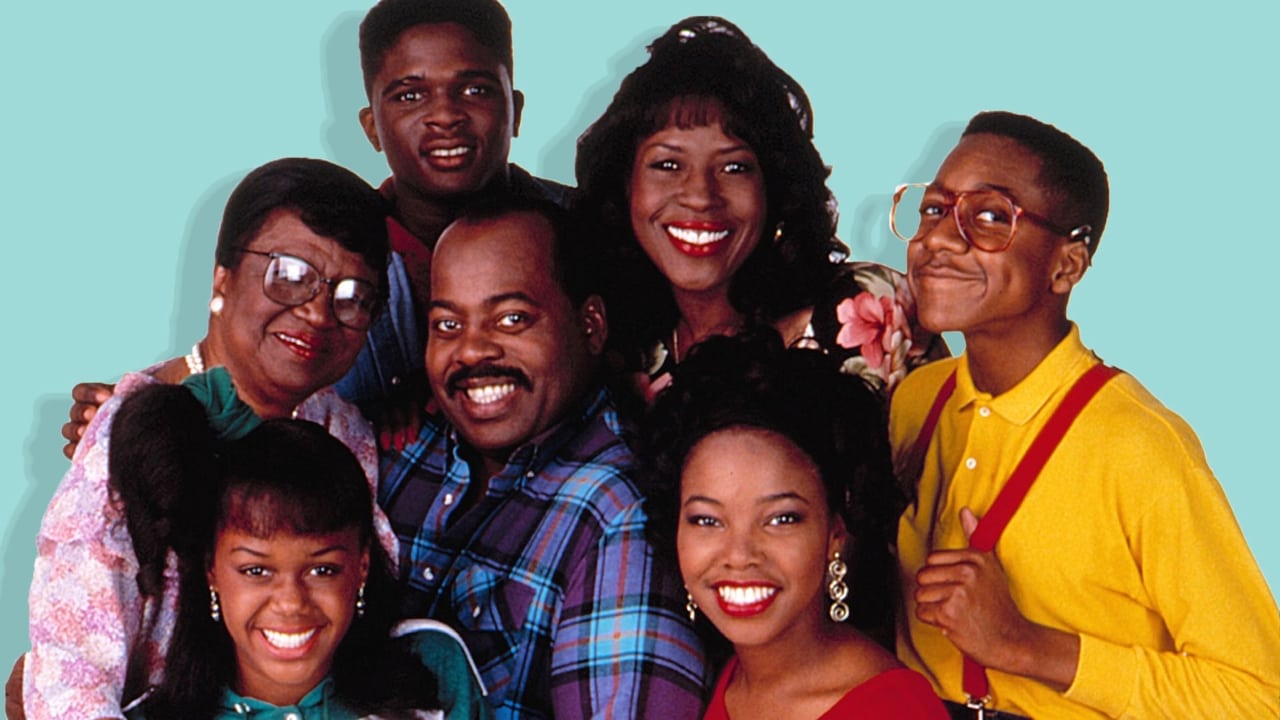
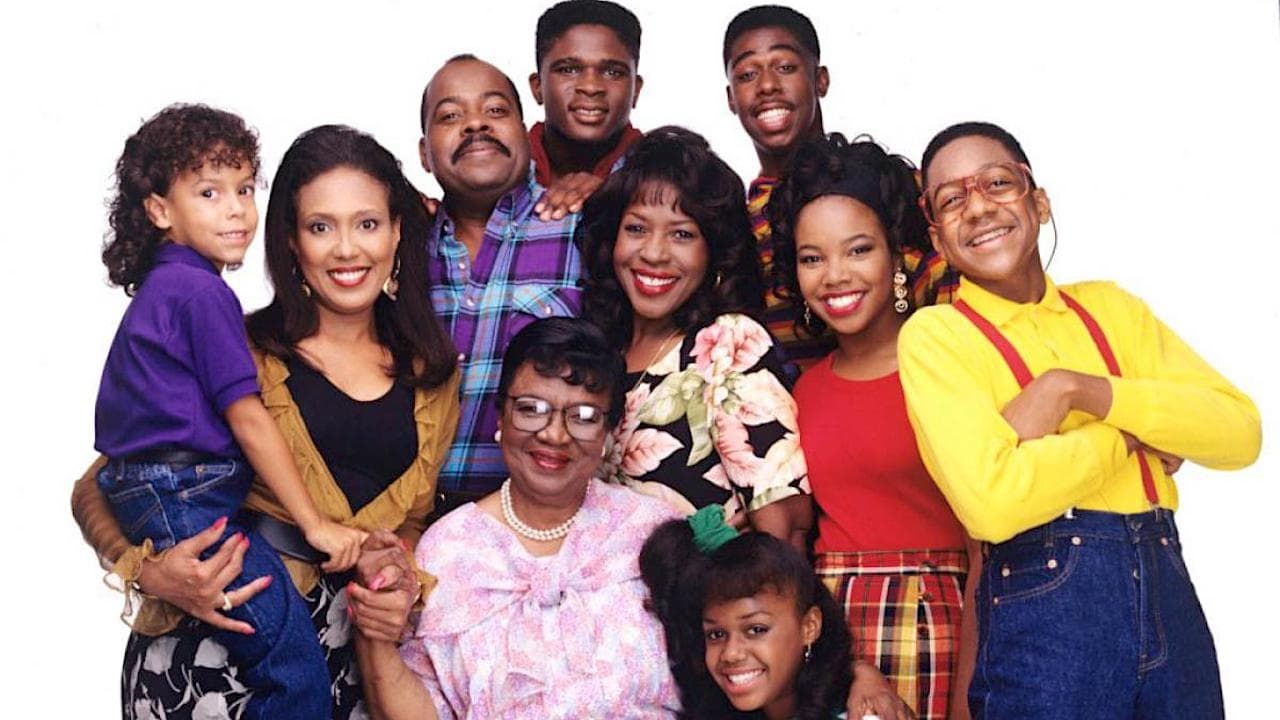
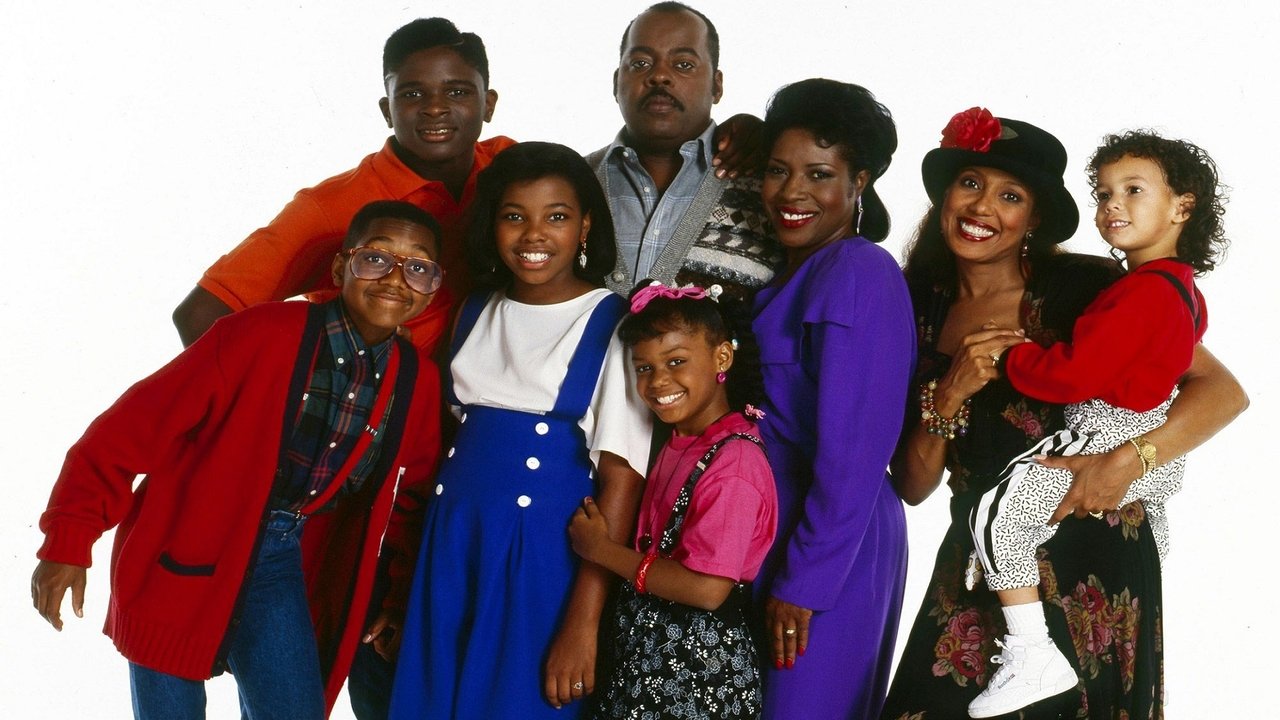
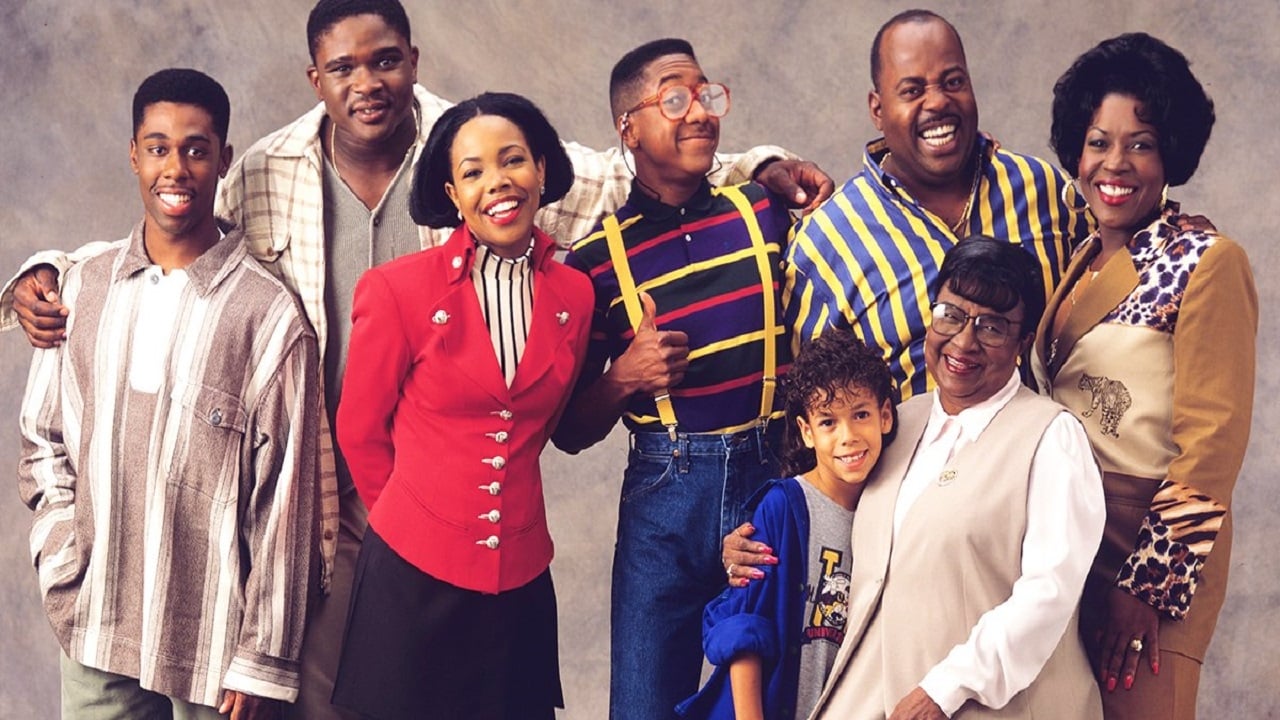
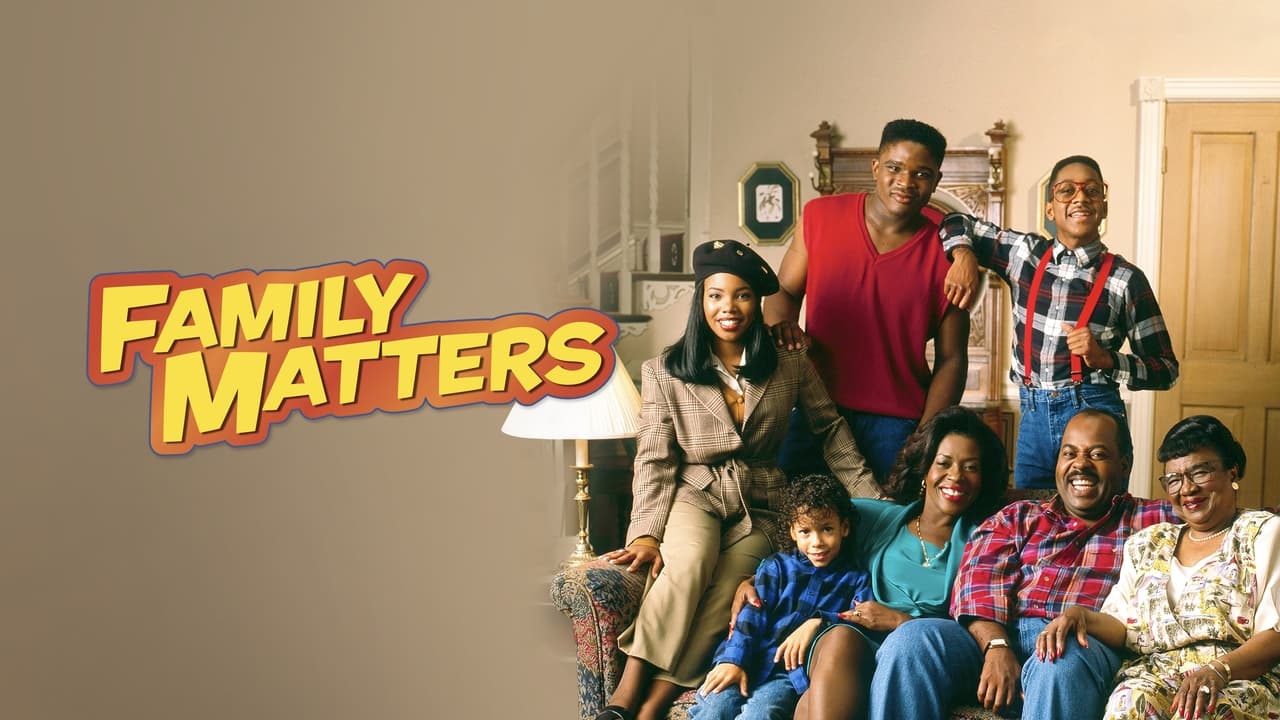
The best thing about Family Matters is the Winslow family itself. The parents are firm but loving, and the show handled heavy topics like systemic bias and peer pressure with more sincerity than many of its peers. There is a warmth to the household that feels genuine, even when the plots get thin.
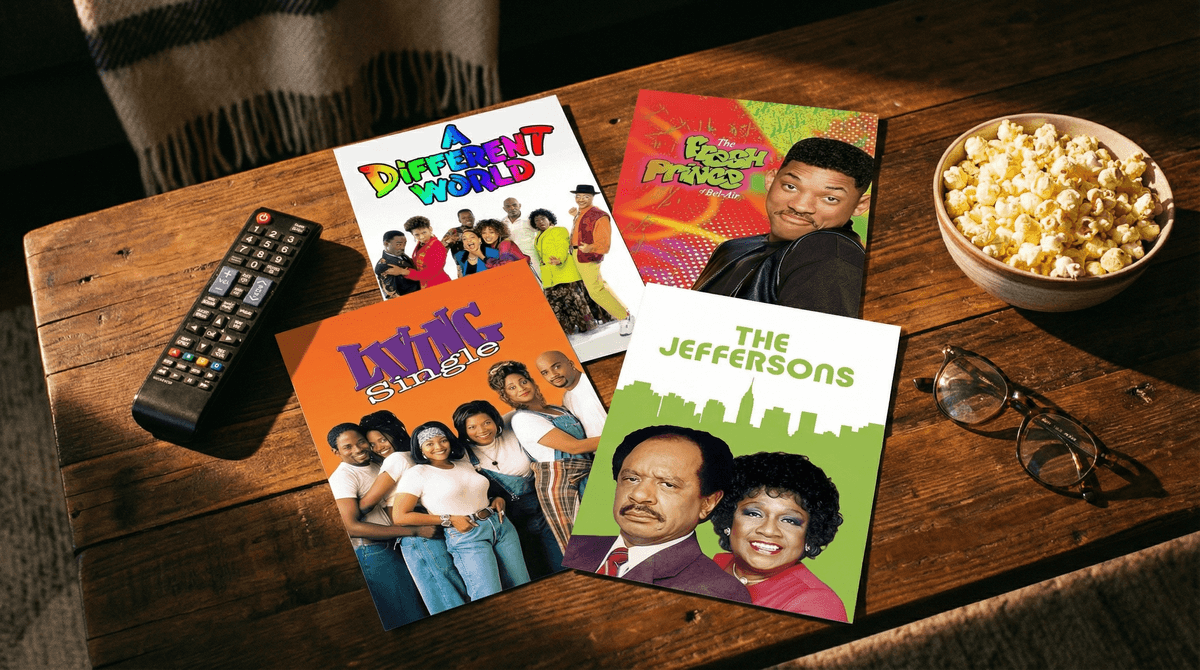
However, if your goal is to show your kids great examples of Black family life from this era, there are options that feel less like a museum piece. You can find more engaging entries in our guide to Black TV Classics for Families: Building Cultural Connection Through Timeless Shows. Shows like Fresh Prince or even modern successors have better comedic timing and haven't aged quite as poorly in terms of pacing.
How to Watch (If You Must)
Don't start at Episode 1 and expect a binge. This is background television. It’s for when you’re folding laundry and want something bright, loud, and predictable. If you want to see if your kids "get" it, find a "Best of Urkel" compilation on YouTube first. If they don't find the physical comedy funny in a two-minute clip, they definitely won't enjoy a 22-minute episode where that comedy is buried under layers of dated 1989 fashion and slow-burn sitcom setups.