

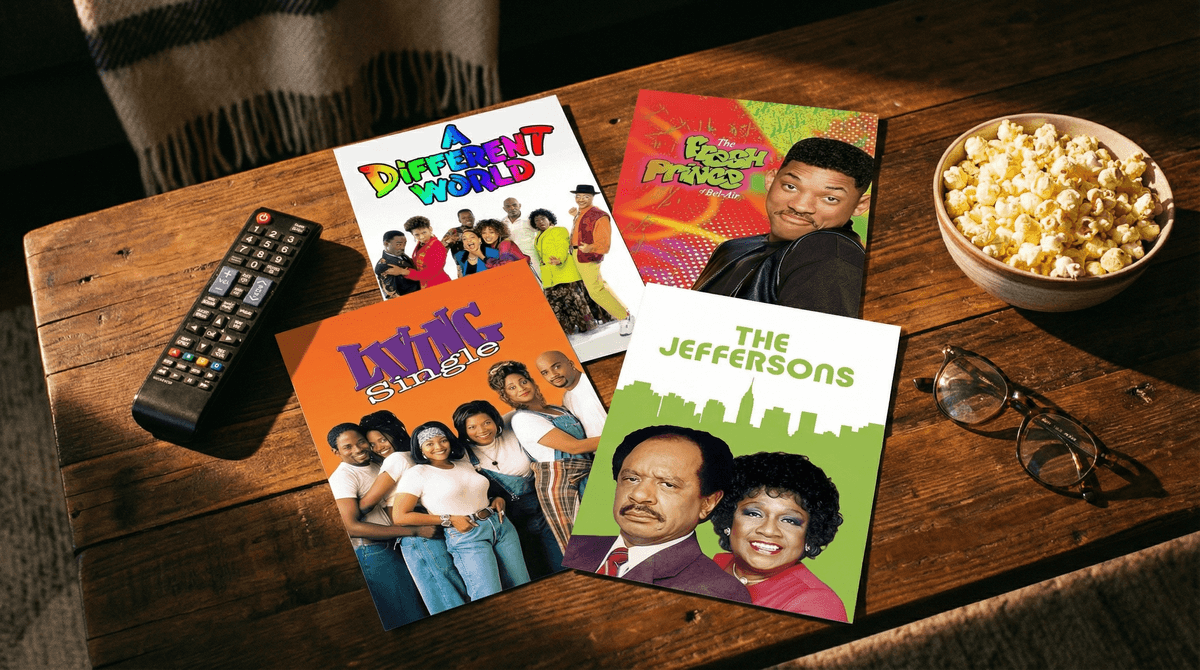
We're talking about the shows that shaped generations: The Cosby Show, A Different World, The Fresh Prince of Bel-Air, Family Matters, Moesha, Sister, Sister, Living Single, and The Jeffersons. These aren't just nostalgic comfort watches — they're cultural artifacts that showed Black families as complex, successful, funny, and fully human during eras when that representation was rare (or completely absent) on television.
Here's the thing: your kids are growing up in a streaming era where they can watch anything, anytime. But that infinite choice doesn't automatically mean they're seeing themselves reflected back, or understanding the cultural context that shaped the media landscape they're inheriting. These classic shows aren't museum pieces — they're conversation starters about representation, identity, and how far we've come (and how far we haven't).
In 2026, kids have access to more diverse content than ever before. Shows like Abbott Elementary, The Proud Family: Louder and Prouder, and Raven's Home are great. But there's something powerful about watching the shows that broke ground first.
For Black families: These shows can create intergenerational connection. When your kid sees you light up during the Carlton dance or quotes "Did I do that?" they're accessing a piece of your cultural memory. It's a bridge between their digital-native world and the one you grew up in.
For non-Black families: These shows are essential viewing if you're raising kids who care about diversity and inclusion. Not as a homework assignment, but as genuinely entertaining television that happens to center Black experiences. Your kids need to see that "universal" stories don't have to star white families.
Ages 6-10: Start with the Laughs
Family Matters is your gateway drug here. Yes, Steve Urkel is a caricature, but the Winslow family dynamics are warm and relatable. The show deals with real issues (peer pressure, academic stress, family conflict) wrapped in sitcom packaging that younger kids can handle.
The Fresh Prince of Bel-Air works for this age too, though you might want to skip some later-season episodes that deal with more mature themes. The culture clash between Will and the Banks family is comedy gold, and the show sneaks in lessons about class, privilege, and identity.
Parent tip: The early seasons of these shows are generally safer for younger viewers. As sitcoms progressed into later seasons, they often tackled heavier topics (violence, racism, teen pregnancy) that might need more context.
Ages 11-14: Add Some Complexity
Sister, Sister and Moesha are perfect for tweens and early teens. They deal with identity, friendship drama, first crushes, and family expectations in ways that feel timeless. Moesha especially doesn't shy away from real issues — the show tackled everything from peer pressure to colorism to parental divorce.
A Different World is essential viewing for middle schoolers heading toward high school. Set at the fictional HBCU Hillman College, it's one of the most culturally significant shows ever made. It dealt with date rape, HIV/AIDS, the LA riots, and apartheid — all while being genuinely funny and showcasing Black excellence in higher education.
Ages 15+: The Full Experience
At this point, they can handle The Cosby Show with the necessary context about Bill Cosby's criminal convictions. (More on that below.) They can watch Living Single and understand why it's the blueprint for Friends. They can appreciate The Jeffersons for its groundbreaking portrayal of Black wealth and success in the 1970s.
Let's address this head-on: The Cosby Show was culturally transformative. It showed the Huxtable family — a doctor and a lawyer raising five kids in a Brooklyn brownstone — at a time when Black families on TV were rare and often stereotyped. It was the #1 show in America for years. It changed television.
And Bill Cosby is a convicted sexual predator.
So what do you do?
This is a family decision, and there's no wrong answer. Some families have decided the show is unwatchable now, and that's completely valid. Others separate the art from the artist, especially since the show featured incredible Black talent beyond Cosby (Phylicia Rashad, Malcolm-Jamal Warner, the young Raven-Symoné).
If you do watch it, make it a teaching moment. Talk about how someone can create meaningful art and also cause tremendous harm. Discuss how we reckon with complicated legacies. For teens especially, this is a real conversation about accountability, power, and how we process cultural icons who fall from grace.
Learn more about how to talk to kids about separating art from the artist .
.
The Laugh Tracks Are Loud
These are multi-camera sitcoms from the '80s and '90s. The laugh tracks are aggressive. Your kids might find them weird or annoying at first — they're used to single-camera shows without canned laughter. Give it a couple episodes for them to adjust.
Some Jokes Haven't Aged Well
You're going to encounter casual homophobia, fat jokes, and gender stereotypes that were considered acceptable sitcom humor in 1992. Use these as opportunities to talk about how cultural norms evolve. "Why do you think that was considered funny then? How would that joke land differently today?"
The Fashion Is Going to Be a Whole Thing
Your kids will either be horrified or completely obsessed with the high-waisted jeans, oversized blazers, and geometric patterns. Lean into it. The '90s aesthetic is having a moment anyway.
Streaming Availability Is Inconsistent
These shows bounce around streaming platforms based on licensing deals. The Fresh Prince is on Max (formerly HBO Max). Family Matters is on Hulu. Some shows are only available for purchase on Amazon or Apple TV. It's annoying, but that's the streaming landscape.
Co-watch the First Few Episodes
Don't just throw these shows on and walk away. Watch together initially so you can gauge reactions, answer questions, and provide context. "This show came out when I was your age" or "This was one of the only shows where Black families were shown as successful and happy."
Let Them Lead the Conversation
After an episode, ask open-ended questions: "What did you think about how they handled that situation?" or "Have you ever felt like that character?" Don't lecture — let them process and respond.
Connect to Current Shows
Point out how Abbott Elementary carries on the legacy of workplace comedies like Living Single. Talk about how The Proud Family was directly influenced by these classics. Help them see the through-line of Black storytelling in television.
Don't Force It
If your kid isn't connecting with a show, that's okay. Not every classic is going to resonate with every kid. Try a different one, or revisit it later. The goal is cultural connection, not forced appreciation of "important" television.
Black TV classics aren't just nostalgia trips — they're living history that can create meaningful conversations about representation, identity, and how media shapes (and reflects) culture. Whether you're introducing your kids to shows you loved growing up, or discovering them together for the first time, these shows offer something rare: genuinely great television that centers Black joy, Black complexity, and Black excellence.
Start with one show. Watch a few episodes together. See what sticks. And remember: the goal isn't to create a comprehensive TV history education. It's to share stories that matter, laugh together, and maybe help your kids understand why representation on screen is worth paying attention to.
Ready to explore? Check out our guide to age-appropriate Black shows and movies for more current recommendations alongside these classics.
Want to talk about representation in media with your kids? Here's how to start that conversation.
Looking for more family co-watching ideas? Explore our guide to shows worth watching together.