

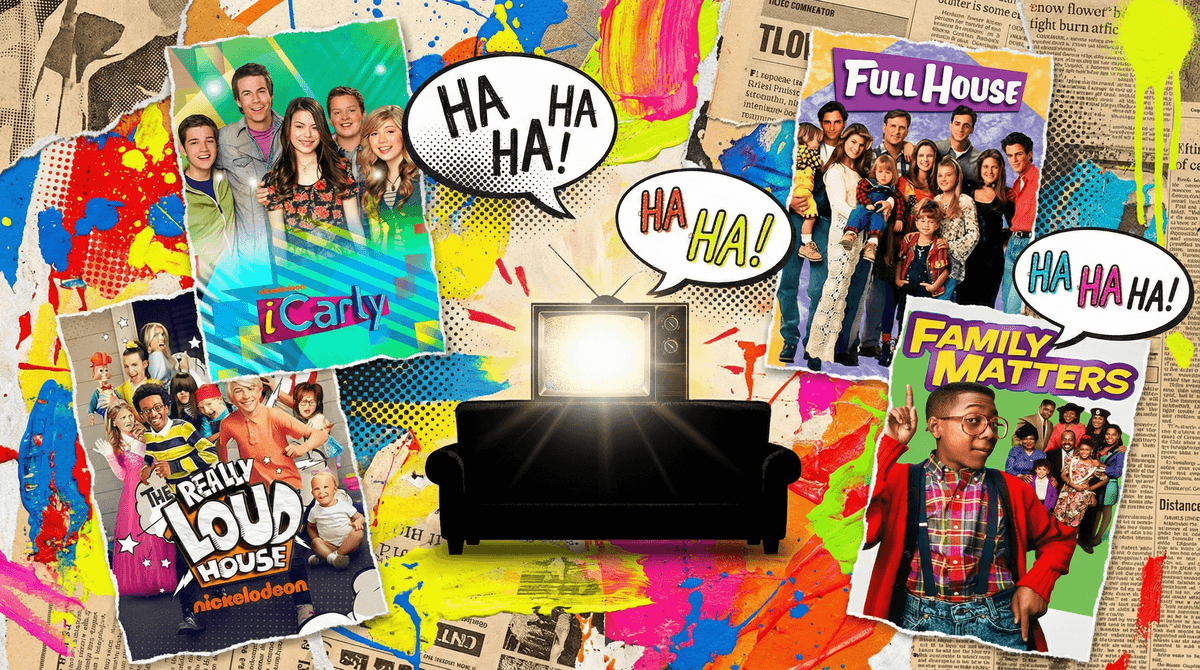
You're watching a family sitcom together—something that feels wholesome, maybe even nostalgic if it's a show you grew up with. Then your kid delivers a sarcastic one-liner at dinner that sounds exactly like the teenage character from the show, complete with eye roll and laugh-track timing. And you think: wait, are we teaching them that disrespect is... funny?
Here's the thing: sitcoms operate on a different moral physics than real life. The snarky kid gets the laugh. The bumbling dad's incompetence is the punchline. Mom's exasperated sigh is the setup for the next joke. And crucially—there are rarely real consequences. The family hugs it out in 22 minutes, reset button pressed, ready for next week's shenanigans.
This isn't new. Shows like Full House and Family Matters did this in the '90s. But today's sitcoms—from iCarly to The Really Loud House to even "family-friendly" shows on Disney+ and Netflix—have cranked up the sass, the put-downs, and the "kids are smarter than adults" humor to levels that can genuinely shape how kids think relationships work.
Kids are pattern-recognition machines. They watch how characters solve problems, handle conflict, and get what they want. When a sitcom character uses sarcasm or manipulation and it works—they get the laugh, they win the argument, they're portrayed as the clever one—kids file that away as "this is how you do it."
Research on social learning shows that children as young as 4-5 can pick up behavioral scripts from media, especially when:
- The behavior is rewarded (with laughs, approval, or getting their way)
- The character is relatable (similar age, situation, or personality)
- There are no real consequences shown
The laugh track is particularly insidious. It signals to viewers: "this is funny, this is acceptable, this is how people talk to each other." Your kid's brain registers that the put-down got a positive response, even if the characters don't actually model repair or apology afterward.
Here's what shows up constantly in family sitcoms and what kids might be learning:
Sarcasm as default communication: Characters rarely say what they mean. Everything is layered with irony, eye rolls, and zingers. For kids still developing social-emotional literacy, this can genuinely confuse them about how to express needs or frustration.
Disrespect gets laughs: Talking back to parents, insulting siblings, mocking authority figures—it's all played for comedy. The message: being mean is funny, and funny equals social currency.
Problems resolve magically: Someone does something hurtful, there's a brief acknowledgment, maybe a hug, and we're done. No real apology, no changed behavior, no processing of feelings. Kids don't see the actual work of repair.
Incompetent adults: Parents are often portrayed as clueless, out-of-touch, or easily outsmarted. This can undermine real-world respect for adult guidance and create an adversarial dynamic.
Manipulation works: Lying, scheming, or emotional manipulation are often how characters achieve their goals, with minimal lasting fallout.
Ages 4-7: This age group takes everything pretty literally. They don't yet understand that sitcom behavior is exaggerated for comedy. Shows like Bluey or Daniel Tiger's Neighborhood model actual emotional regulation and respectful communication—stick with these.
Ages 8-11: Kids this age are starting to get humor and irony, but they're still building their social scripts. If you're watching sitcoms together, this is prime co-viewing age. Pause and talk about it: "That was funny, but would that actually be okay to say to your brother?" Shows like The Ghost and Molly McGee or Hilda offer humor without the constant disrespect.
Ages 12+: Tweens and teens can handle more sophisticated humor and understand sitcom conventions better, but they're also more likely to adopt the "sarcasm as personality" vibe. Watch for whether the show is commenting on bad behavior or just using it for easy laughs. Shows like Abbott Elementary (for older teens) actually show consequences and growth, not just reset buttons.
Not all sitcoms are created equal. Some shows—like The Middle or Schitt's Creek (for older kids)—actually show character growth, genuine apologies, and real consequences. Others are just joke-delivery vehicles with no emotional depth.
The "it's just a show" defense only works if you're actually talking about it. Co-viewing and commentary are your best tools here. You don't need to ban sitcoms, but you do need to help kids separate comedy from real-world behavior expectations.
Watch for real-world spillover. If your kid suddenly starts using a sarcastic tone constantly, making put-downs disguised as jokes, or responding to correction with sitcom-style quips, that's your signal to intervene. "I know that gets laughs on the show, but in our family, we talk to each other with respect."
Your own viewing matters too. If you're watching shows where adults are constantly sarcastic or dismissive with each other, kids notice. They're learning what "normal" adult communication looks like from you and from what you choose to watch.
Sitcoms aren't ruining your kids, but they're not neutral either. The format itself—quick jokes, exaggerated conflict, minimal consequences—can absolutely teach patterns that don't serve kids well in real relationships.
The good news: you have more influence than any TV show. If you're actively teaching respect, modeling repair after conflict, and having real conversations about how sitcom behavior differs from your family's values, your kids will learn that. The show becomes a conversation starter, not a behavior manual.
But if sitcoms are the primary model for family communication in your house—either because that's what's always on or because you're not countering the messages—yeah, you might see some of that behavior show up at the dinner table.
Audit what you're watching together. Are the shows actually funny, or just mean? Do characters grow, or just reset? Check out alternatives to typical sitcoms that offer humor without the constant disrespect.
Name it when you see it. "That was funny on the show, but notice how [character] actually hurt [other character's] feelings? The laugh track doesn't mean it was okay."
Model the behavior you want. If you want kids to communicate directly instead of through sarcasm, you have to do that too—even when it's harder or less funny.
Choose shows that show the work. Look for content where characters actually apologize, where conflicts have real stakes, where respect is modeled alongside humor. They exist, I promise.
And if your kid hits you with a sitcom-style zinger at dinner? Don't laugh (even if it's objectively funny). Just calmly say, "That's not how we talk to each other here," and move on. No lecture needed. Just consistency.
Because here's the truth: kids can handle comedy and sarcasm and all of it—as long as they also know what real respect, real repair, and real relationships look like. Your job isn't to ban the laugh track. It's to make sure they know the difference.