The Mockbuster Trap
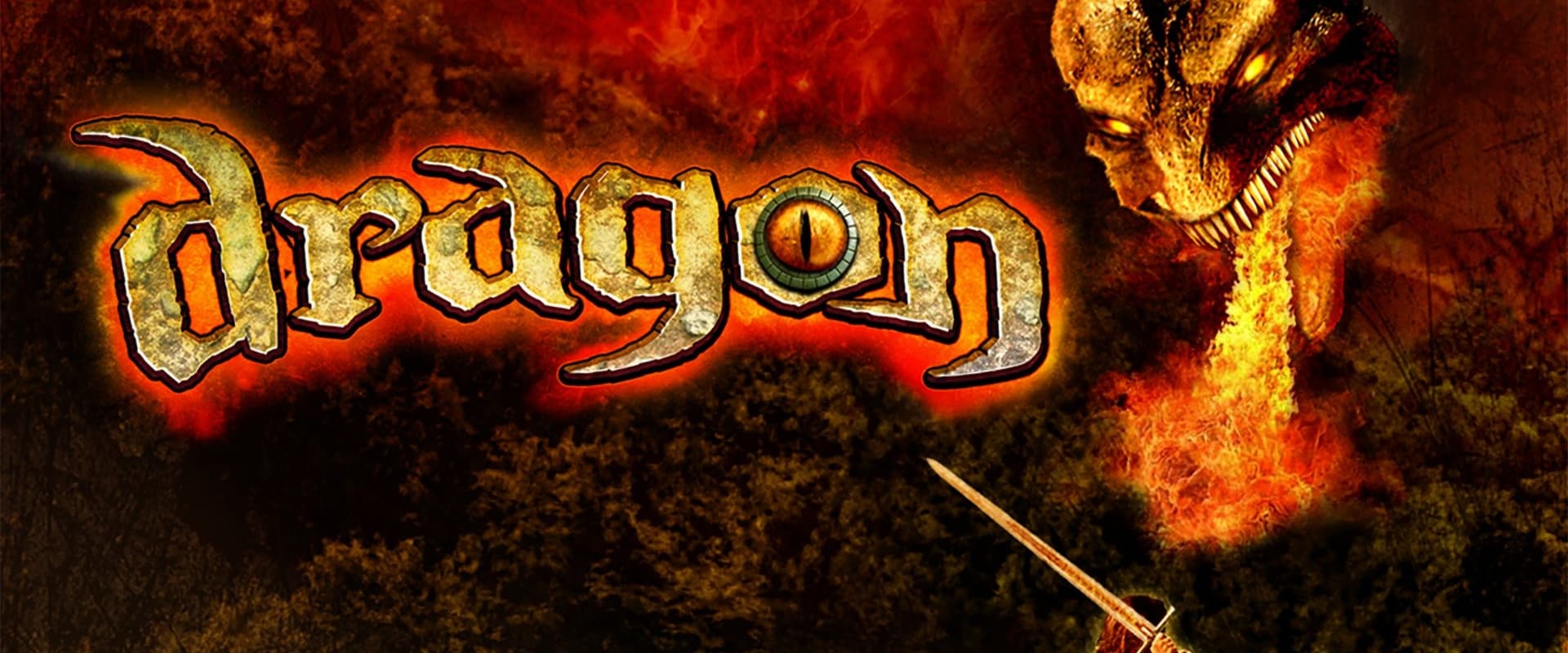
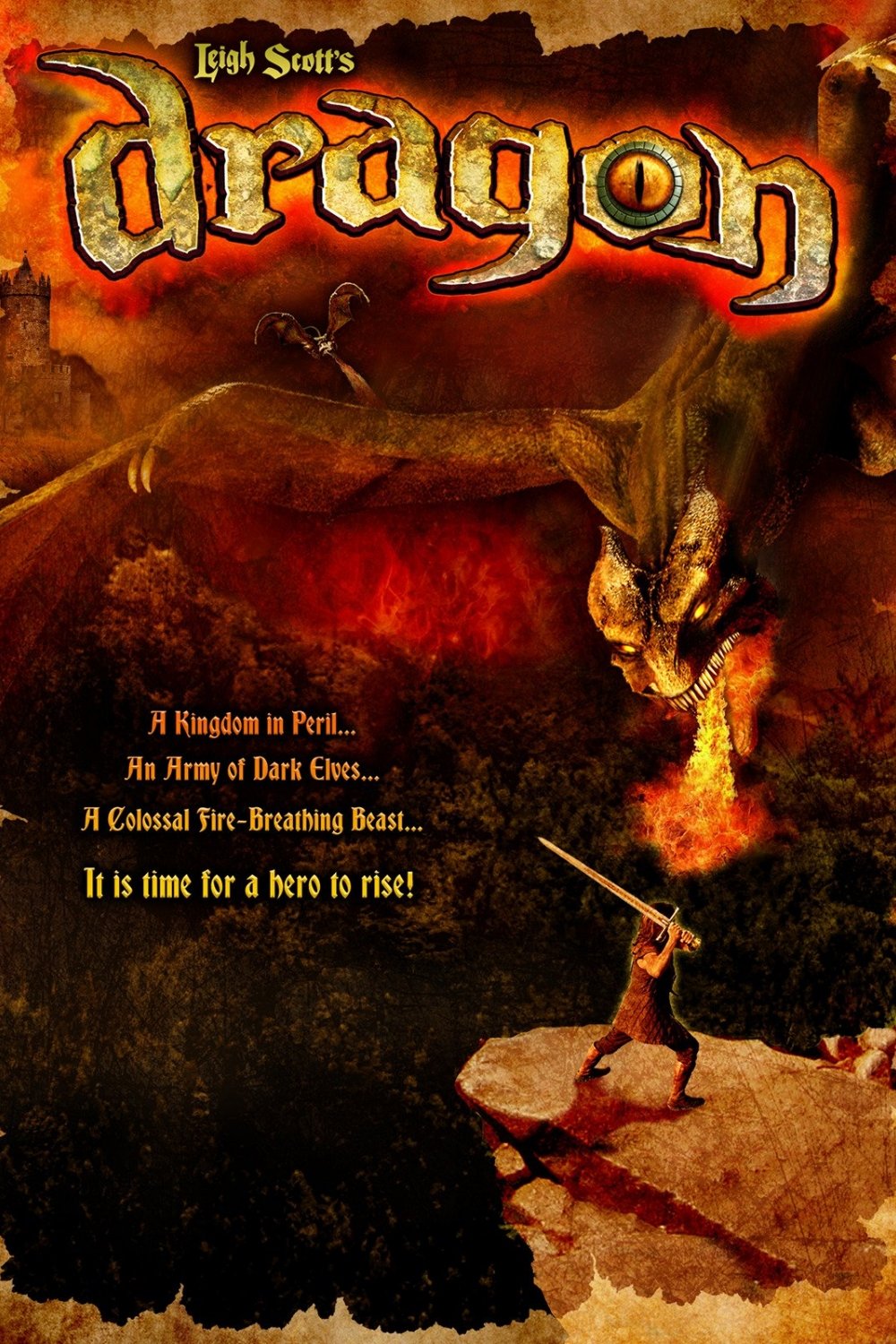
In late 2006, 20th Century Fox spent over $100 million bringing Christopher Paolini's fantasy novel Eragon to the big screen. In response, independent studio The Asylum spent a microscopic fraction of that to push Dragon straight to video store shelves and grocery store bargain bins. The strategy relied entirely on rushed cover art and distracted shoppers grabbing the wrong disc.
Two decades later, streaming algorithms still surface it on platforms like Tubi and Pluto TV under generic fantasy searches. Knowing what you are clicking on changes everything.
Cardboard Swords and Fog Machines
The story itself could fit on a cocktail napkin. Princess Vanir needs an alliance, dark elves are marching, and a legendary dragon roams the forest of Sidhe. But instead of epic worldbuilding, viewers get:
- Extended, repetitive walking scenes through the same patch of woods.
- Fight scenes where swords visibly miss opponents by several inches.
- A digital dragon that looks like a cutscene from an early 2000s console game.
Who Is This Actually For?
If you have a middle-schooler or teenager fascinated by filmmaking mechanics, bad movies can be oddly educational. Paired with a bowl of popcorn, pointing out continuity errors, obvious foam boulders, and unnatural line deliveries can be a blast. But if your kid genuinely wants a rich, transportive fantasy quest, point them toward The Lord of the Rings or Dungeons & Dragons: Honor Among Thieves instead.