If you’ve ever tried to help your kid with math homework and realized you both lack the words to describe what's happening on the screen, Desmos Polygraph is the antidote. It’s built by the same team behind the ubiquitous Desmos graphing calculator, which is basically the industry standard in schools now.
The 'Guess Who' of Graphs
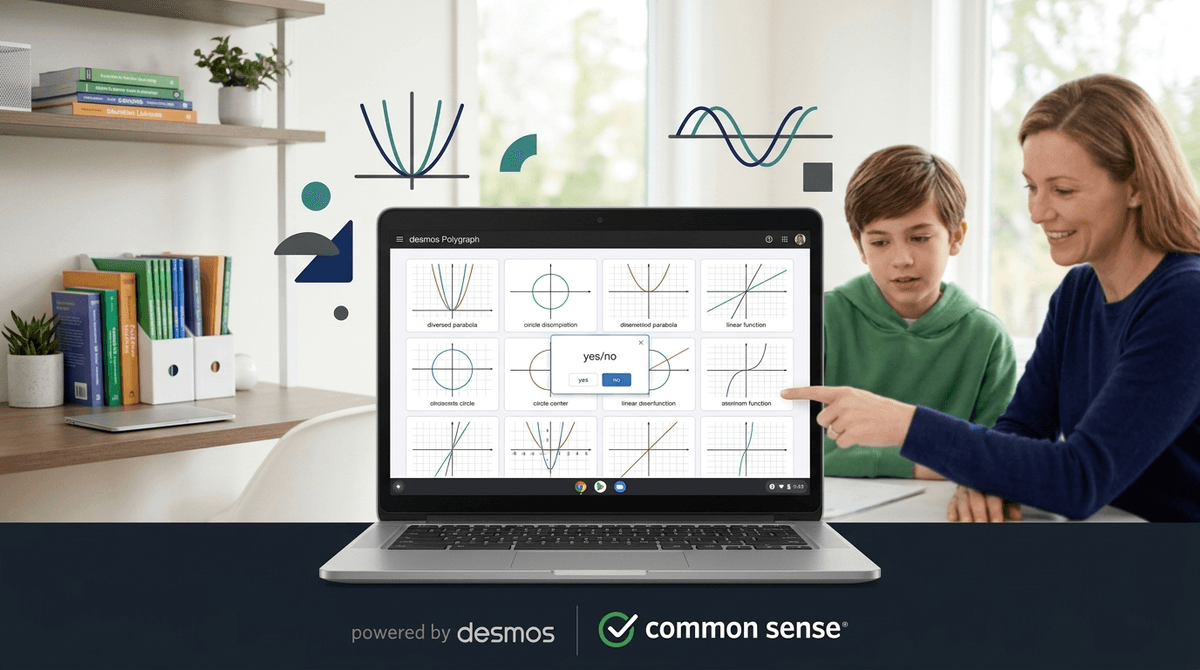
The brilliance of Polygraph is its simplicity. One person picks a graph from a grid of 16, and the other person asks yes-or-no questions to figure out which one it is. In the beginning, kids ask things like, 'Is it a wiggly line?' But as they realize that doesn't help them win, they naturally start asking, 'Does it have a positive slope?' or 'Is the vertex in the second quadrant?' It’s a self-correcting loop that rewards academic precision.
Why it beats other math apps
Most math apps are 'drill and kill'—they just throw equations at you until you get bored or frustrated. Polygraph is social. Even though it's digital, it requires two humans to communicate. It works just as well across a dinner table as it does in a classroom.
Parent-built sets
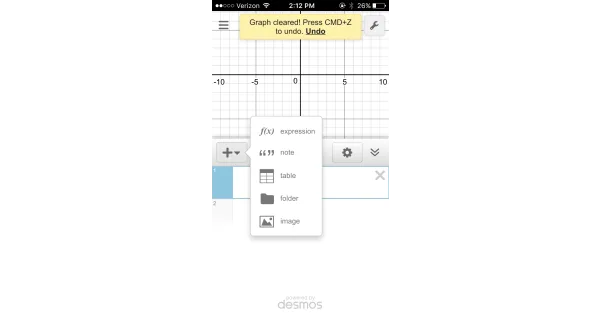
Don't sleep on the custom editor. While the pre-made sets for quadrilaterals and parabolas are great, you can build your own sets using the Desmos Activity Builder. This means you can tailor the difficulty level specifically to what your kid is struggling with this week. It’s a high-leverage way to use 15 minutes of screen time that actually leaves them smarter than when they started.