The Black Sheep That Still Demands Respect
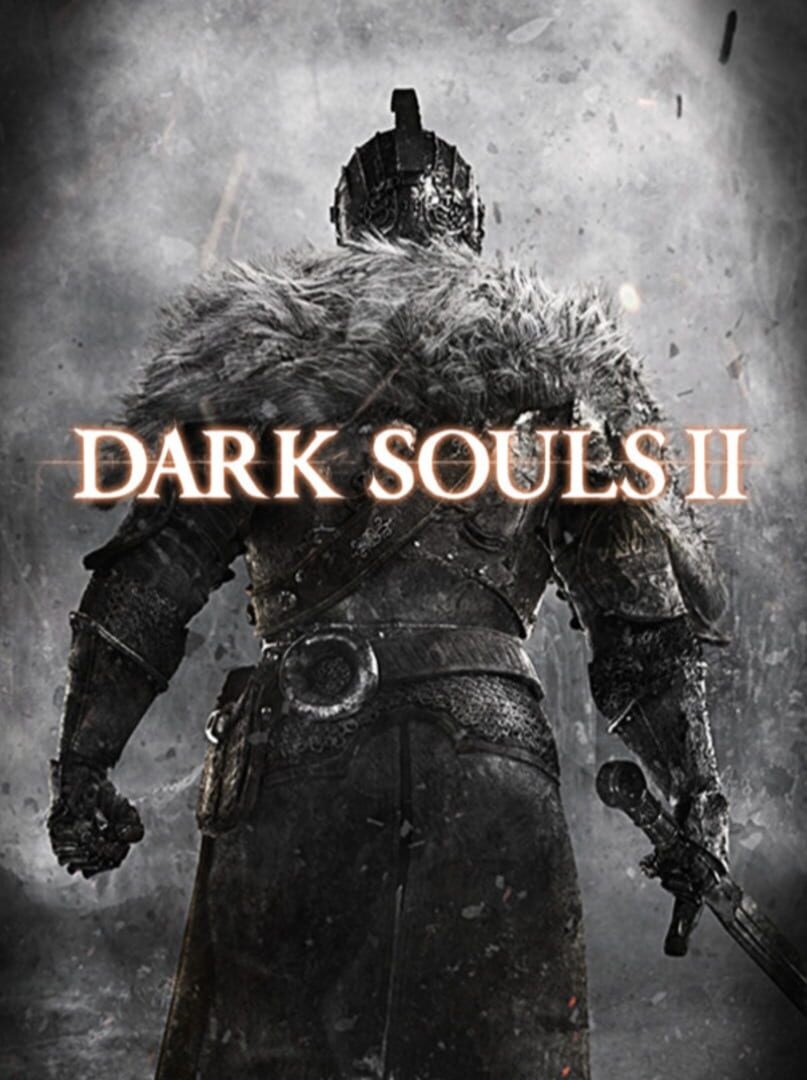
Among gaming circles, Dark Souls II carries a reputation. Directed by Tomohiro Shibuya and Yui Tanimura while franchise creator Hidetaka Miyazaki worked on Bloodborne, it diverges sharply from the first game. Where the original gave you intricate vertical shortcuts, the sequel sends you outward into disparate biomes: sunken pirate wharfs, poison-drenched windmills, and castles sinking into lava.
It also introduced mechanics that still divide fans. The most notorious is the Adaptability stat, which directly governs how many invincibility frames you get while rolling. A player who does not know to level this up will find themselves getting clipped by hitboxes that look completely unfair. If your kid dives in, tell them early: put points into Agility.
The Real Hurdle: The Tilt Factor
The genuine friction in Dark Souls II is rarely the violence, which sits comfortably within standard fantasy combat tropes. The real issue is emotional tilt. The game implements a severe death tax: every time you die, your maximum health shrinks slightly until it hits a 50% floor, reversible only by burning a scarce Human Effigy.
Combine that with enemy placement designed to swarm anyone trying to run past, and you have an environment primed to trigger frustration. It provides a real-time diagnostic of how a kid handles setbacks. When they get crushed by the Ruin Sentinels, do they double down and mash buttons, or do they pause, equip a strike weapon, and learn the attack patterns? That distinction is where the value lives.