The 'Big Feelings' Survival Guide
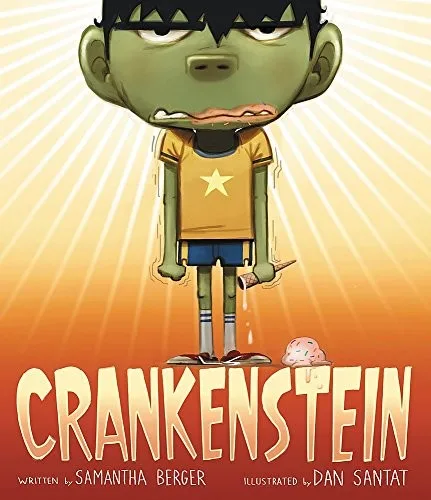
If you've ever watched a child lose their absolute mind because their toast was cut into triangles instead of squares, Crankenstein will feel like a documentary. Written by Samantha Berger and illustrated with high-octane energy by Dan Santat, this book has become a staple because it captures the visceral, irrational grumpiness of childhood without trying to 'fix' it immediately.
Why the metaphor works
The genius of the book is in the externalization. By calling the mood 'Crankenstein,' the book allows the child to separate their identity from their behavior. They aren't a 'bad kid'; they are just currently inhabited by a grumbling monster. This is a powerful tool for parents. It’s much easier to say, 'Oh boy, is Crankenstein visiting right now?' than it is to engage in a logic battle with a four-year-old who is mad that the sun is too bright.
The 'MEH' Factor
From a literacy standpoint, the book is a winner for engagement. It relies heavily on the 'MEH!' catchphrase, which gives kids a low-stakes way to participate in the reading. For struggling readers or kids who are resistant to sitting still for a story, the physical comedy in the illustrations and the invitation to make loud, grumbly noises keeps them in the loop.
It’s also worth noting the ending. Crankenstein doesn't stop being cranky because he's told to; he stops because he sees another kid being just as ridiculous as he is. That moment of shared humanity—even in a bad mood—is a surprisingly sophisticated takeaway for a three-minute picture book. If your household is currently in the trenches of the 'terrible' anything, this belongs in your rotation.