The Sitcom That Rewrote the Rules
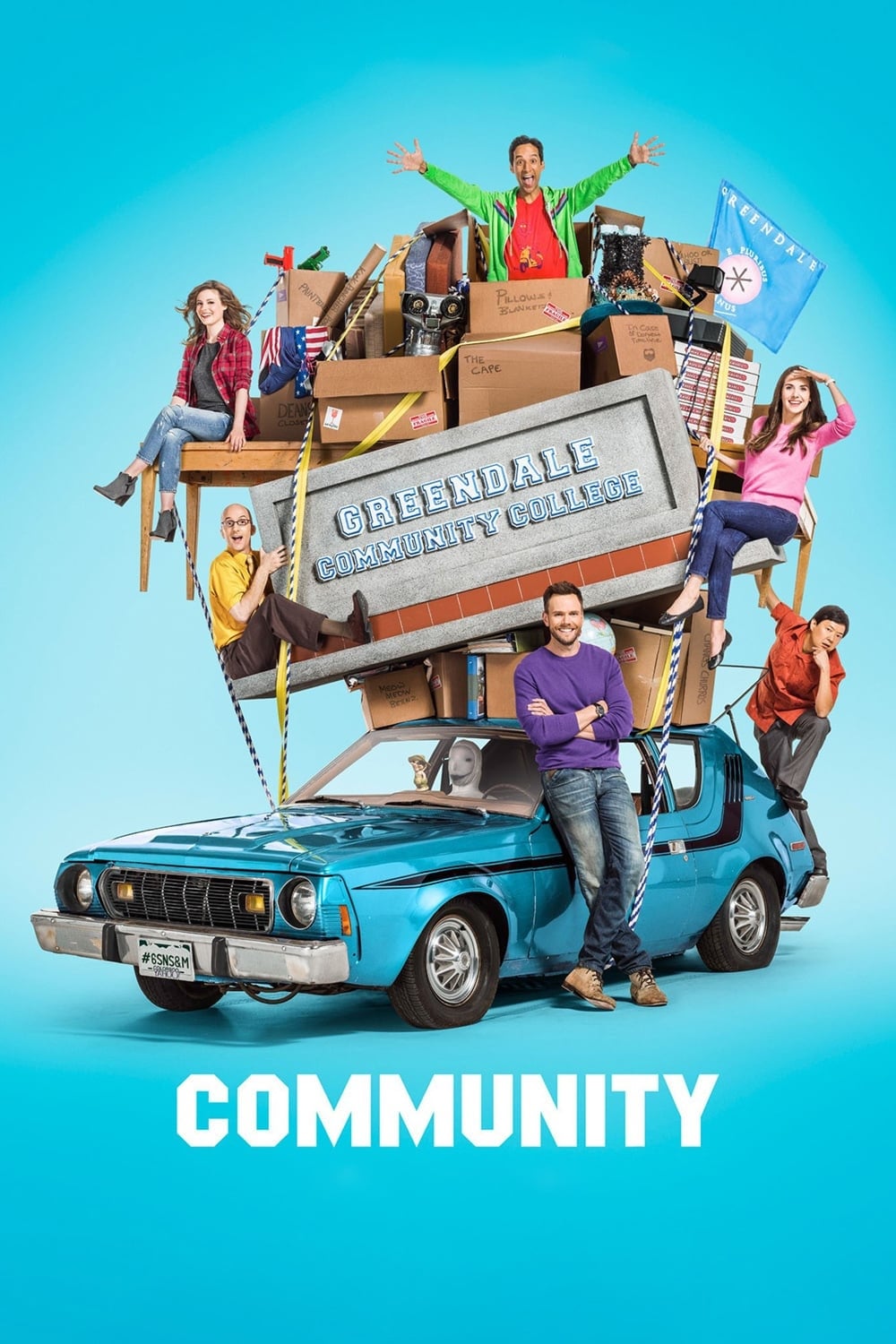
Most sitcoms pick a lane and park there for a decade. Community treated each week like an excuse to hijack a completely different genre. Across six seasons, the study room table became the launching pad for post-apocalyptic paintball action, high-stakes campus conspiracies, Ken Burns mockumentaries, and multi-timeline multiverse theory.
The secret engine is Abed Nadir (Danny Pudi), an autistic student who perceives his entire reality through the lens of television and film tropes. Through Abed, creator Dan Harmon transformed the series from a breezy comedy about a fraudulent lawyer getting his degree into a masterclass on how narrative formulas function.
Why It Plays Differently for Teens
Teens today consume staggering amounts of media, but rarely stop to dissect how directors build suspense or manipulate tone. Community does that work in plain sight without feeling like a film school lecture.
- Modern Classic Episodes: Start paying attention during Season 1's "Modern Warfare" (the legendary paintball showdown that mimics John Woo action films) and Season 2's "Advanced Dungeons & Dragons" or "Cooperative Calligraphy" (a textbook bottle episode set entirely in one room).
- The Darker Humor: The show occasionally pushes into genuinely dark territory, touching on depression, failure, and toxic family dynamics. It never stays grim for long, but it treats adult disappointment with unusual honesty.
The Rough Edges
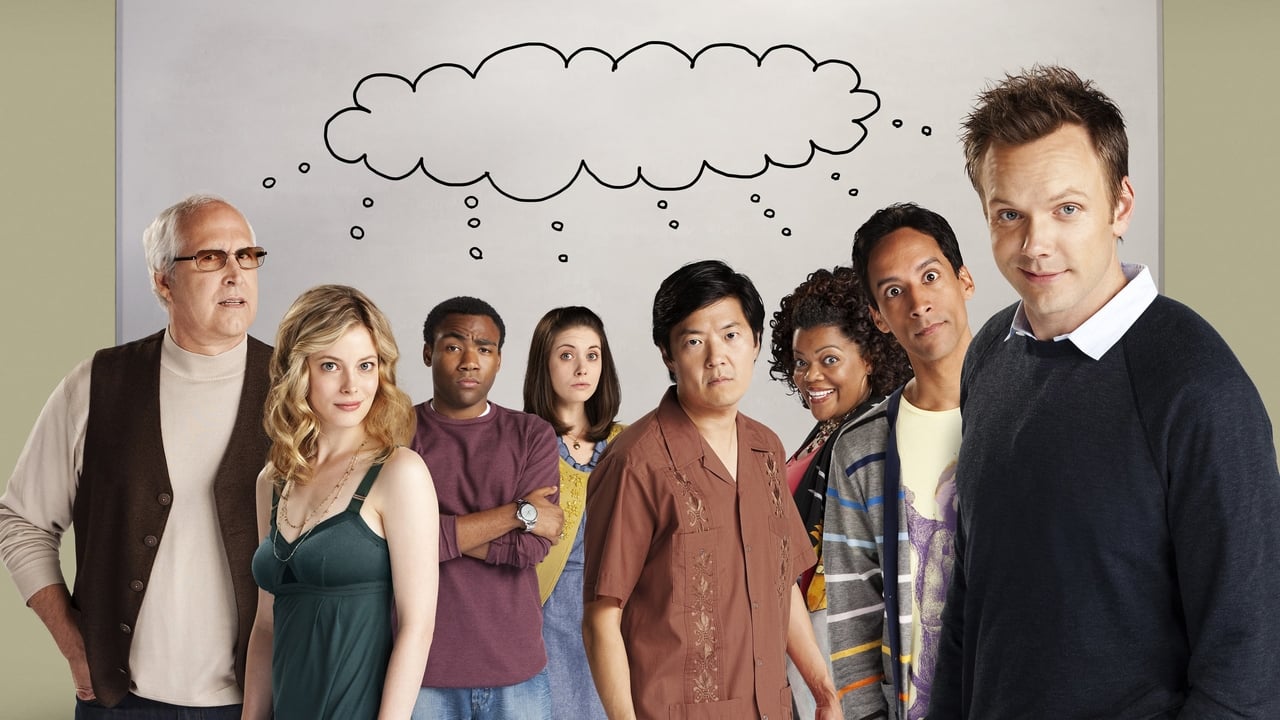
Watch out for the Pierce Hawthorne problem. Chevy Chase plays a wealthy, aging bigot who consistently fires off inappropriate comments about race, sexuality, and gender. The show takes pains to ensure Pierce is the butt of the joke, an isolated relics desperately clawing for relevance, but the dialogue does not mince words.
If you have a teen who loves sharp writing and wants something with more bite than Disney sitcoms, sit on the couch and watch the first two seasons together. It moves fast, respects the audience's intelligence, and holds up remarkably well.