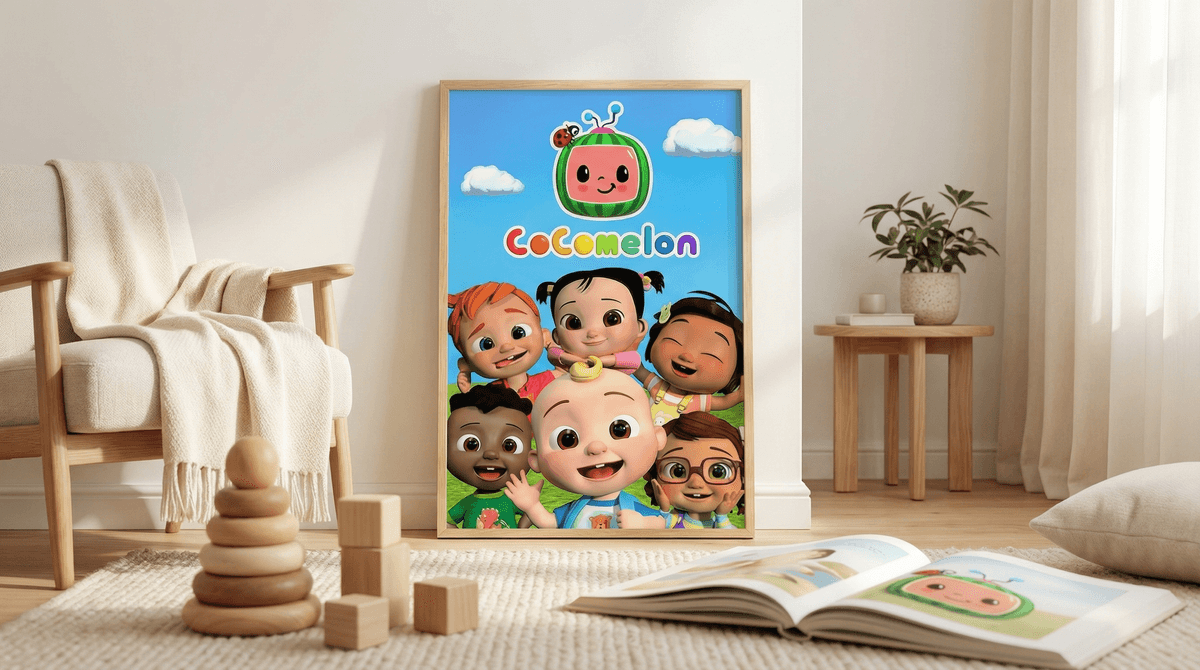
The reason Cocomelon holds a dismal 3.9 rating on IMDB isn't because the production quality is low or the songs are off-key. It is because parents feel a specific, localized resentment toward a show that can essentially paralyze their child. It is the white noise of the nursery world, except instead of static, it is high-gloss 3D babies singing about broccoli.
The sensory trap
The show relies on a very specific technical trick: the rapid-fire cut. When a scene changes every one to two seconds, the developing brain doesn't have time to process a narrative or internalize a story arc. Instead, it stays locked on the constant stream of new visual information. This is why you can walk in front of the TV and your toddler won't even blink. They aren't following JJ’s adventure; they are caught in a sensory loop.
If you are noticing that your kid turns into a different person the moment the screen goes dark, you are likely seeing why your toddler goes 'zombie mode' for Cocomelon. It isn't a lack of discipline. It is a sensory comedown from a show that functions more like a digital slot machine than a storybook.
The "just five minutes" trade-off
We all use it. You need to take a shower, finish a work email, or just sit in silence for the duration of a cup of coffee. Cocomelon is the most effective babysitter on the market because it demands total compliance from the viewer.
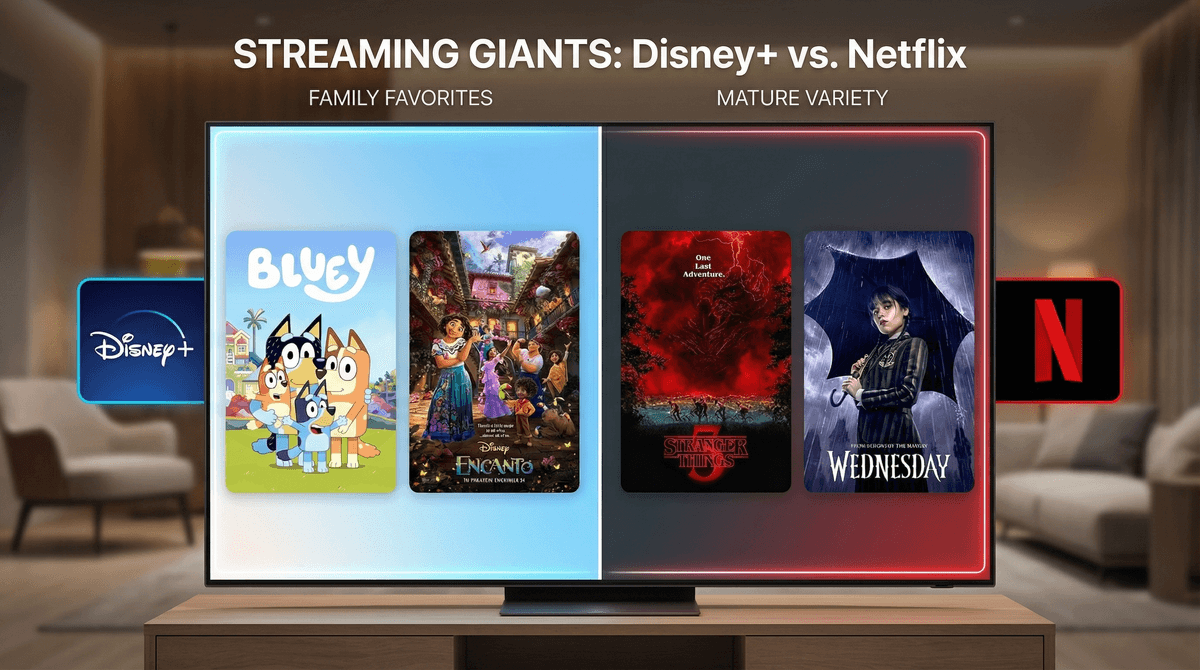
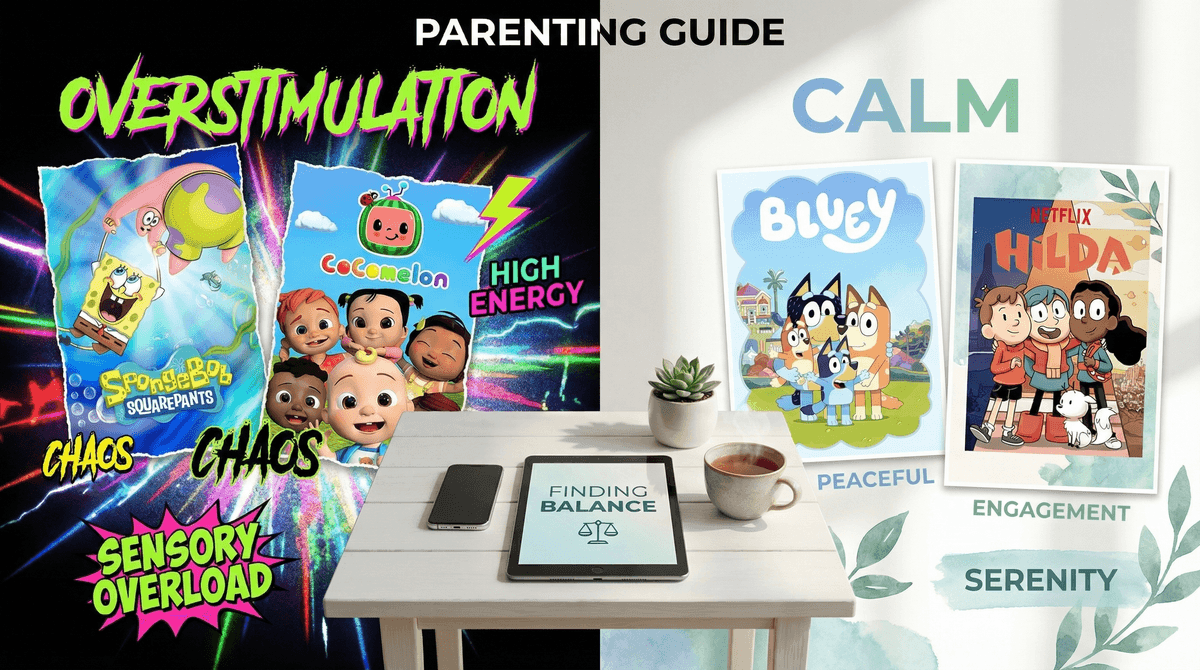
The friction happens when you try to transition away. Because the show is so high-stimulation, real life feels incredibly slow by comparison. This is often the root of the "Cocomelon meltdown." If you want to understand the mechanics of this better, looking into Bluey vs. Cocomelon: Why One Inspires Play and the Other Can Trigger Meltdowns can help you spot the difference between a show that invites kids to participate and one that just keeps them quiet.
Better ways to get your 20 minutes
If your kid is obsessed with the nursery rhyme format but you’re tired of the "zombie eyes," there are ways to pivot. You don't have to go full "no-screens" to find something that doesn't feel like a dopamine hack.
- Slow the pace. Look for shows where the camera stays still for more than three seconds. It sounds like a small thing, but it changes how the brain processes the images.
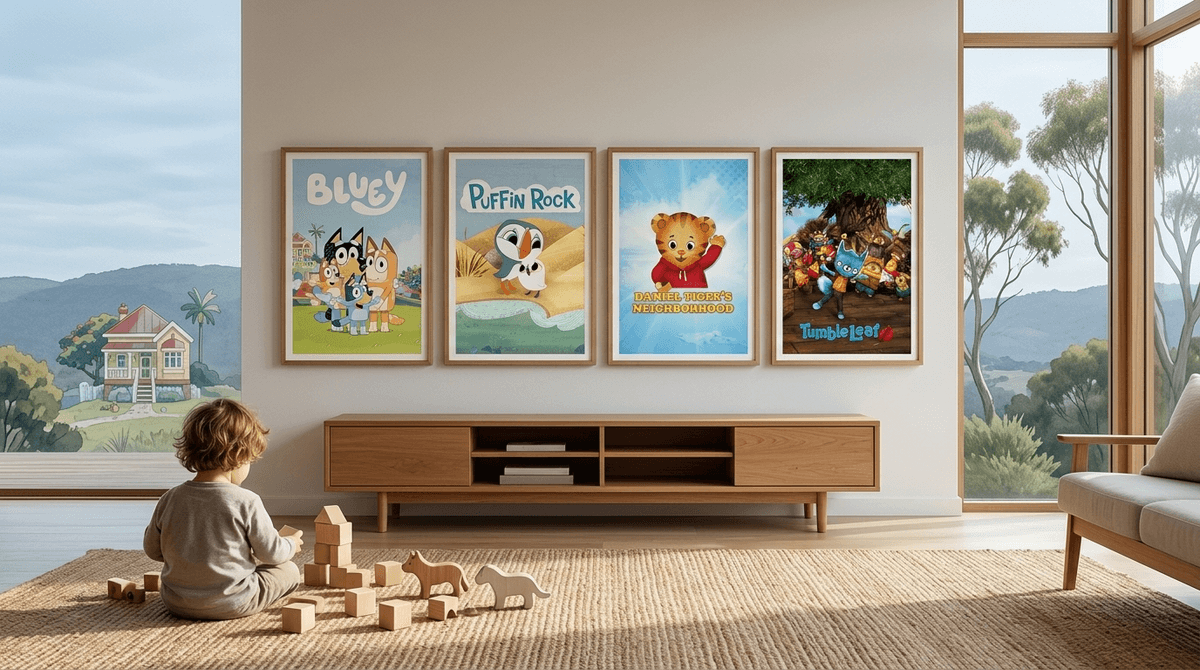
- Prioritize narrative. Even simple shows like Trash Truck or Puffin Rock have a beginning, middle, and end. This encourages active listening rather than passive staring.
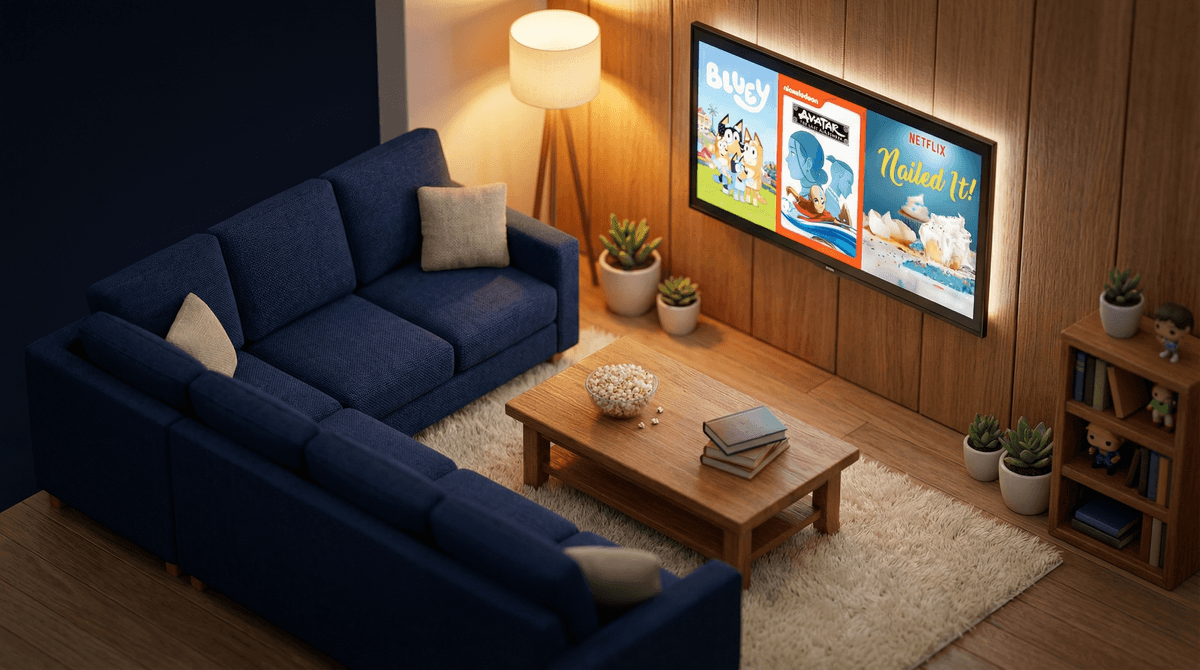
- Use the "Cocomelon Alternatives" list. If you’re ready to break the cycle, check out these 8 Cocomelon alternatives for toddlers that won't overstimulate.
Cocomelon isn't evil, but it is unbalanced. It’s the visual equivalent of a bag of gummy bears—fine for a rare treat, but a disaster if it’s the only thing on the menu. If you use it, use it as a tool, but keep an eye on the exit strategy.