The Legacy of the Telerín Family
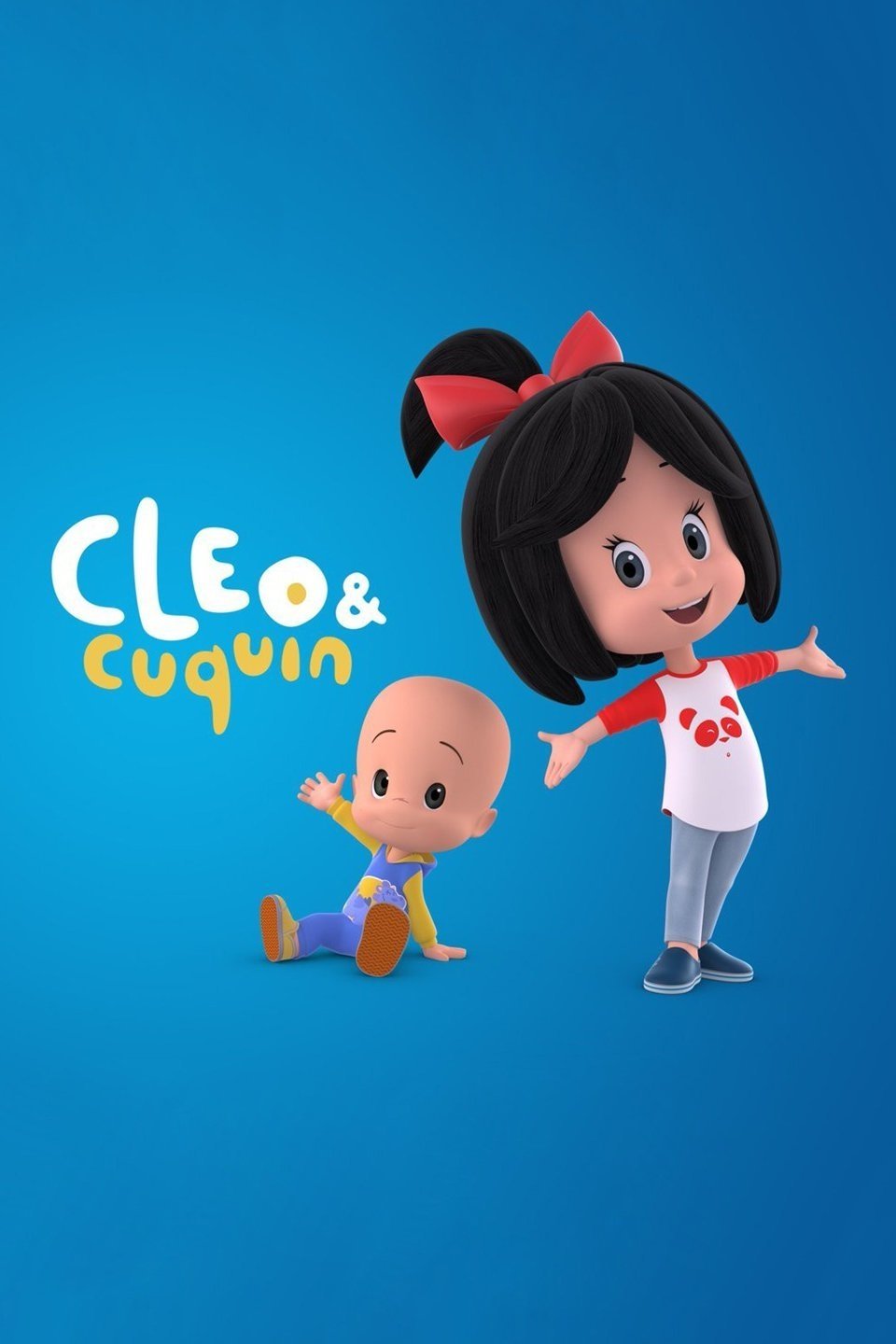
To understand why Cleo & Cuquin feels a bit more 'intentional' than your average Netflix preschool filler, you have to look at its roots. The show is a reboot of Familia Telerín, a massive cultural touchstone in Spain and Latin America. In the 60s and 70s, the characters were used in a famous '¡Vamos a la cama!' (Let's go to bed!) short that aired every night to tell kids it was time for sleep.
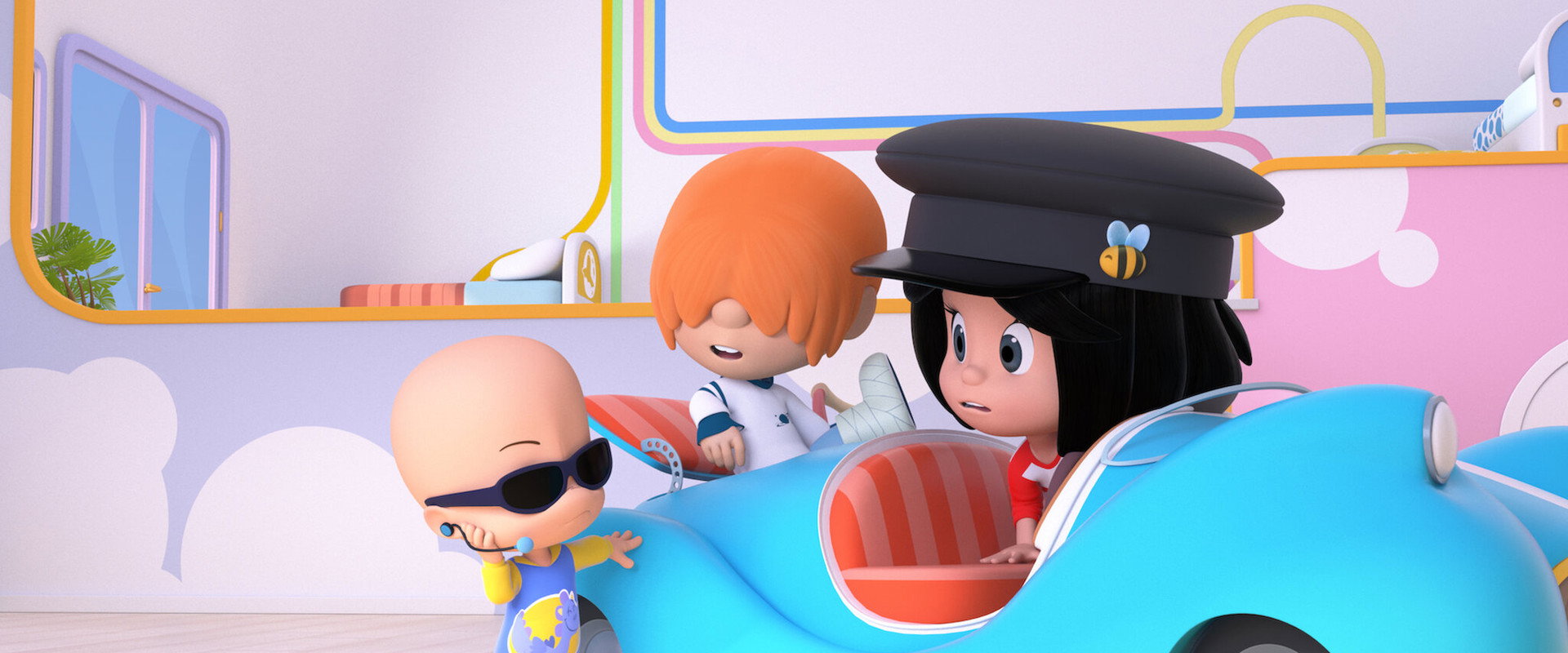
This modern version keeps that sense of family warmth but pivots to a problem-solving format. Each episode follows a similar beat: a kid has a problem, Cleo (the eldest) gets an idea, and the siblings 'dress up' to fix it. It’s essentially a 7-minute commercial for the power of imaginary play.
Why it beats the 'Nursery Rhyme' loop
Many parents get stuck in the Cocomelon or Little Baby Bum loop because it's easy and predictable. Cleo & Cuquin offers that same predictability but adds actual character development and narrative structure. You aren't just watching a baby dance to a public domain song; you're watching siblings negotiate, plan, and execute a (pretend) mission.
For an intentional parent, the win here is the post-show behavior. It is one of the few shows that genuinely inspires 'analog' play. Don't be surprised if your living room ends up turned into a makeshift 'hospital' or 'space station' ten minutes after the credits roll.