Trojan-Horse Progressivism
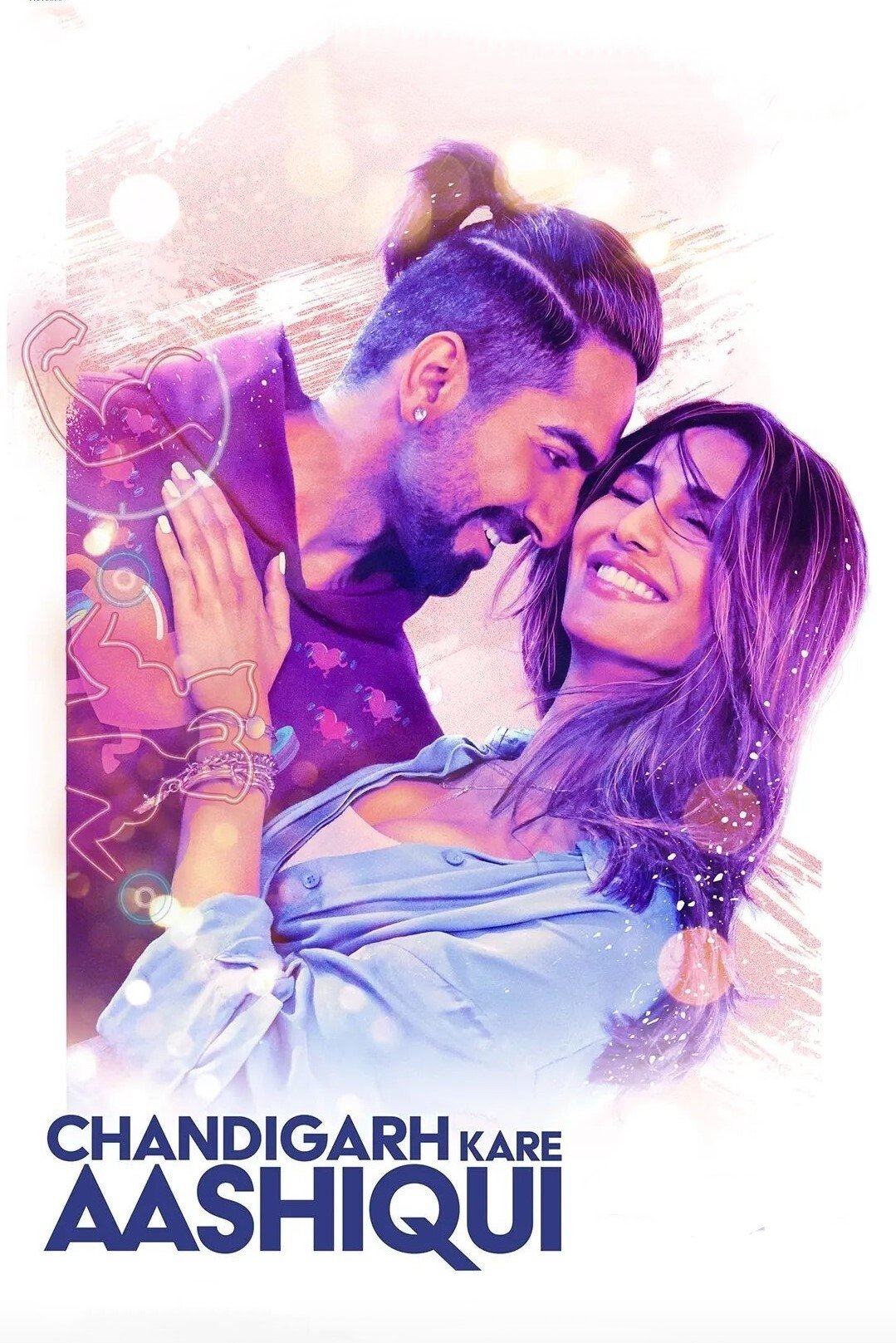
Director Abhishek Kapoor chose a very specific vehicle for this story: the commercial northern Indian masala film. The first thirty minutes give you all the standard beats. You get Manu (Ayushmann Khurrana), a ripped, protein-obsessed bodybuilder training for a local strongman championship, and Maanvi (Vaani Kapoor), the glamorous new Zumba instructor renting floor space in his struggling gym. They flirt, they dance, they jump straight into a high-heat relationship.
Then comes the reveal: Maanvi discloses that she is a trans woman who underwent sex reassignment surgery. Manu's world caves in.
What follows is difficult to watch at times. Manu spits, scrubs his mouth, runs to doctors to demand STD tests, and questions his own manhood. In conservative Punjabi society, manhood is tied to raw physical prowess and rigid gender roles. Khurrana plays Manu as deeply ignorant rather than purely evil, but the movie makes no bones about how cruel casual transphobia is.
The Casting Question
One valid critique that came up around the film's release is that Vaani Kapoor, a cisgender woman, was cast as Maanvi instead of a trans actor. In interviews, the filmmakers argued that casting an established Bollywood face was the only way to get funding and mainstream theater distribution in India. It remains a fair debate point to bring up with a teen viewer.
That said, Vaani Kapoor plays Maanvi with dignity. She refuses to apologize for who she is, stands up to Manu's toxic posturing, and demands to be seen as a whole woman.
Family Dysfunction as Comedy and Drama
Manu's extended family provides the traditional Bollywood comic relief, but their small-town conservatism quickly turns venomous once the truth gets out. The film uses their backwardness to show how quickly a neighborhood can turn on someone. When Manu finally turns around and defends Maanvi, it is an earned shift, not an easy hand-wave.
For teens accustomed to Western media where queer themes are often set in hyper-liberal subcultures, seeing trans acceptance argued through the lens of traditional Indian family life offers a fresh and useful perspective.