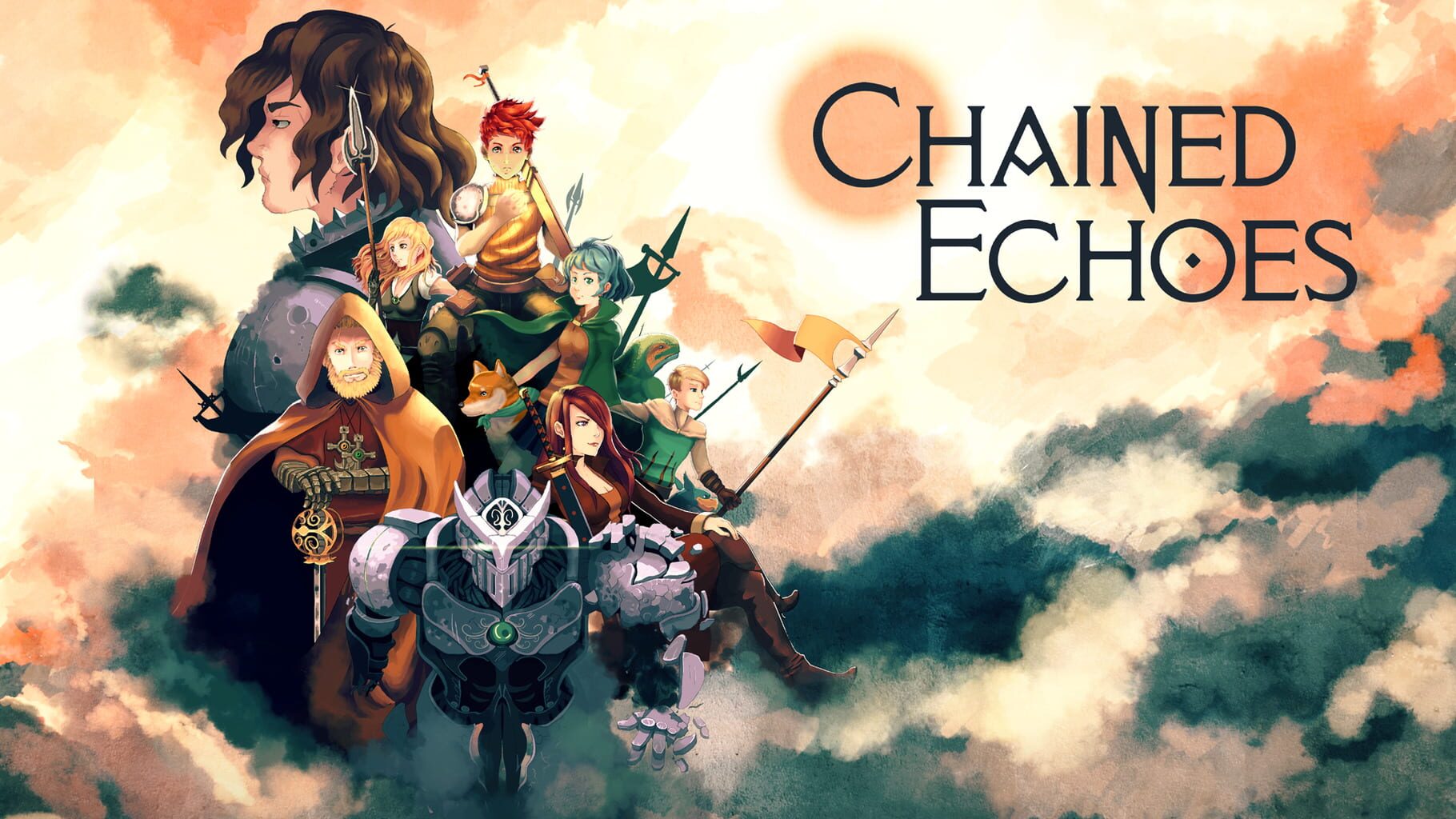
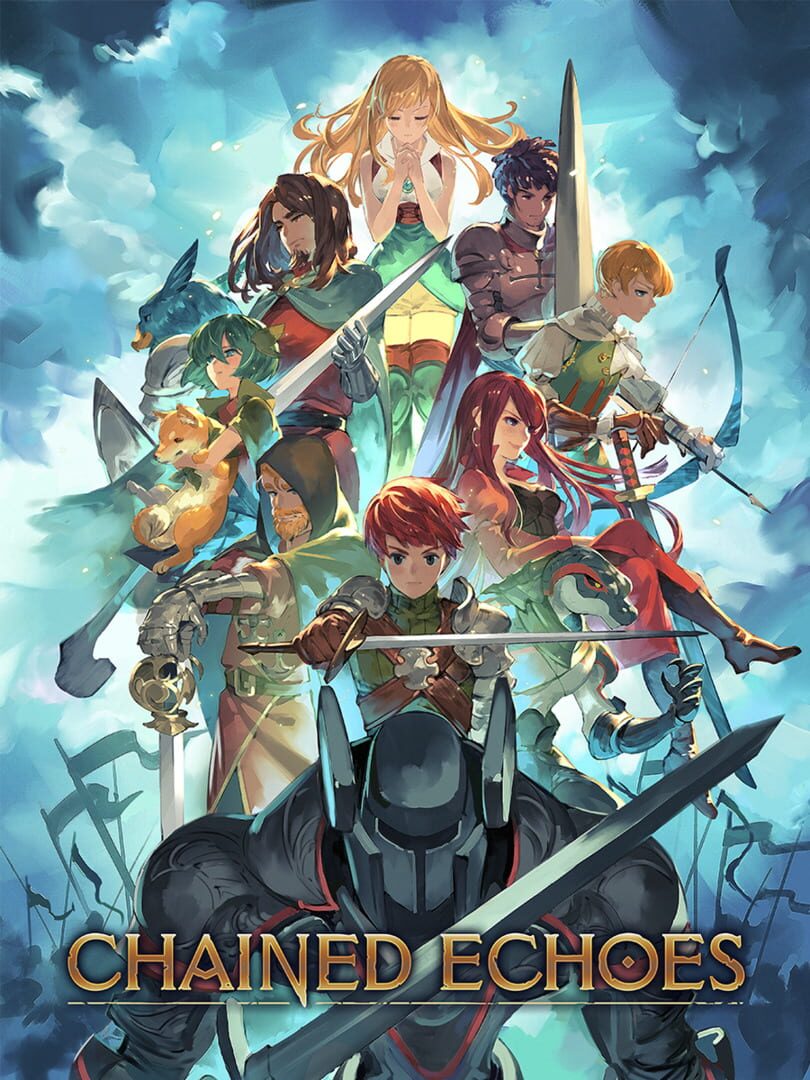
The "anti-grind" appeal
If your kid is used to the endless treadmill of Roblox or the seasonal pressure of Fortnite, Chained Echoes will feel like a culture shock in the best way. It’s a self-contained story that actually respects the player's time. In many classic RPGs, you have to spend hours "grinding"—fighting the same low-level monsters over and over just to get strong enough to move on. This game tosses that out.
Experience points aren't handed out for every random encounter. Instead, characters get stronger by defeating bosses and completing specific objectives. For a parent, this is gold. It means when you tell your kid they have 30 minutes left, they can actually make plot progress rather than just treading water in a digital field.
Combat as a logic puzzle
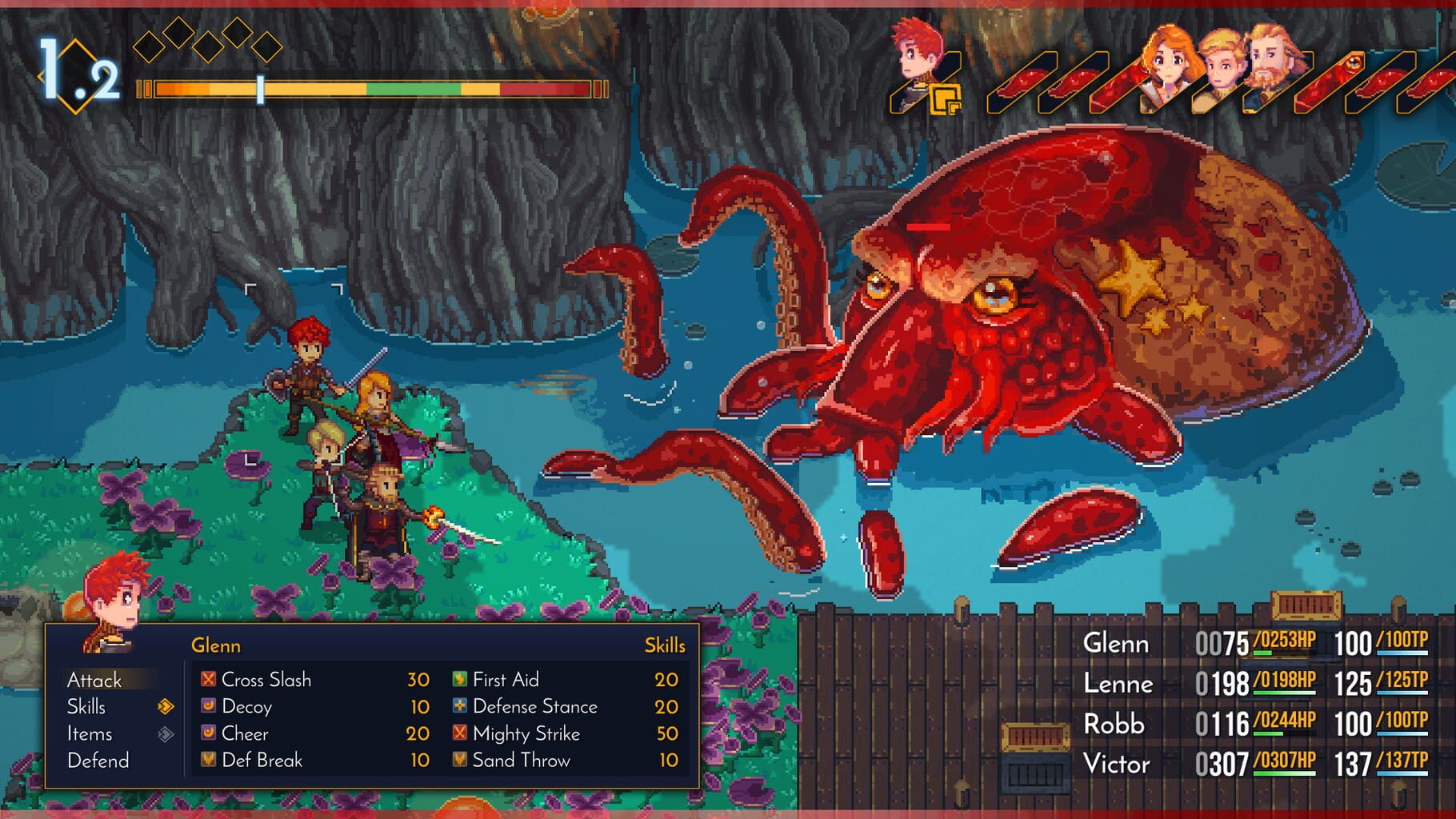
The game uses a mechanic called the Overdrive bar that turns every fight into a tactical balancing act. Instead of just spamming the "attack" button, players have to manage a meter. If they play too aggressively, they overheat and take more damage; if they play too defensively, they lose their momentum.
It forces kids to think three moves ahead. They have to decide: "Do I use my big healing spell now, or will that push my meter into the red zone?" It’s essentially chess with dragons and mechs. If your kid enjoys board games or strategy titles, this combat system will keep their brain moving in ways a standard action game won't.
The Sky Armor hook
While the 16-bit graphics might look "old" to a kid raised on 4K textures, the inclusion of Sky Armors—essentially magic-powered mechs—is the great equalizer. About a third of the way through the journey, the gameplay shifts from on-foot fantasy combat to piloting giant robots.
These mechs have their own gear, their own upgrade paths, and their own combat rules. It’s a smart pivot that prevents the mid-game slump where many RPGs start to feel repetitive. If your kid is into Gundam, Transformers, or just likes the idea of a knight jumping into a cockpit, this is the specific hook that will keep them invested when the dialogue gets heavy.
If they liked Sea of Stars or Final Fantasy
This is the natural next step for a player who enjoyed the "retro-modern" vibe of recent indie hits like Sea of Stars. It’s a bit more complex and the story has more political teeth, but it occupies that same sweet spot of nostalgic art meets modern convenience.
It’s also a perfect "on-ramp" for the massive, 100-hour Japanese RPGs. It teaches the language of the genre—elemental weaknesses, party management, equipment builds—without the bloat. If they can handle the systems here, they’re ready for the "heavy hitters" of the genre.
One of the best things about the game's design is that your HP and MP (magic points) refill after every single battle. It removes the stress of "resource hoarding" and lets the player focus entirely on the strategy of the current fight.
The "Google Search" moment
At some point, your kid is going to ask you for help with a "Reward Board" or "Class Emblems." Don't panic—these are just the game’s version of an achievement checklist and specialized power-ups. The Reward Board is actually a great tool for teaching prioritization. It encourages players to explore side paths and try different combat tactics to earn extra loot. It’s the only part of the game that feels like "busy work," but it’s entirely optional and rewards curiosity rather than just persistence.