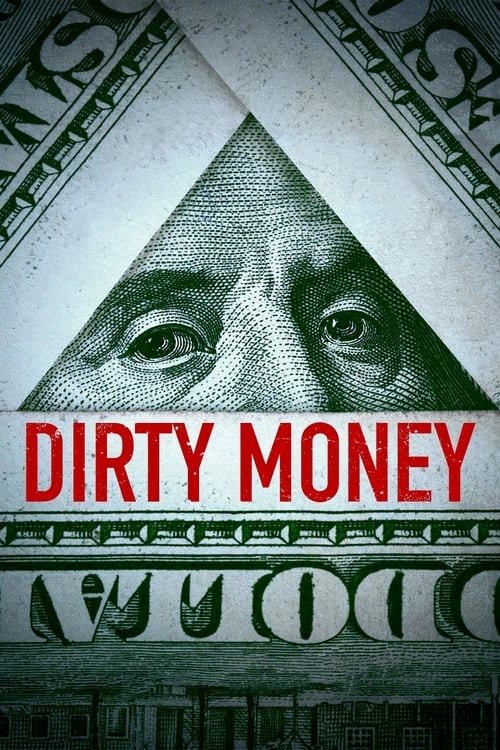


This is the documentary equivalent of eating your vegetables—good for you, but you're not exactly reaching for seconds.
For families raising conscious consumers, it's genuinely valuable. It unpacks the psychological tricks, planned obsolescence, and environmental costs behind our shopping habits in a way that's accessible to teens. The educational value is real: your 14-year-old will start side-eyeing influencer hauls and recognizing when they're being manipulated.
But let's be honest: those middling ratings (6.7 IMDb, 2.8 Letterboxd) tell the real story. It's informative but not particularly engaging. If your teen isn't already interested in sustainability or skeptical of consumer culture, this will feel like homework. And if they are already interested, they might find it a bit obvious.
Best use case: Watch it together as a family and use it as a jumping-off point for real conversations about your values around money, stuff, and what actually makes you happy. Just don't expect anyone to be entertained.